
TL;DR
A new minimally invasive knee procedure provides an alternative for patients with chronic pain who are not ready for joint replacement. It offers pain relief with less recovery than traditional surgery, but its long-term effectiveness is still being studied.
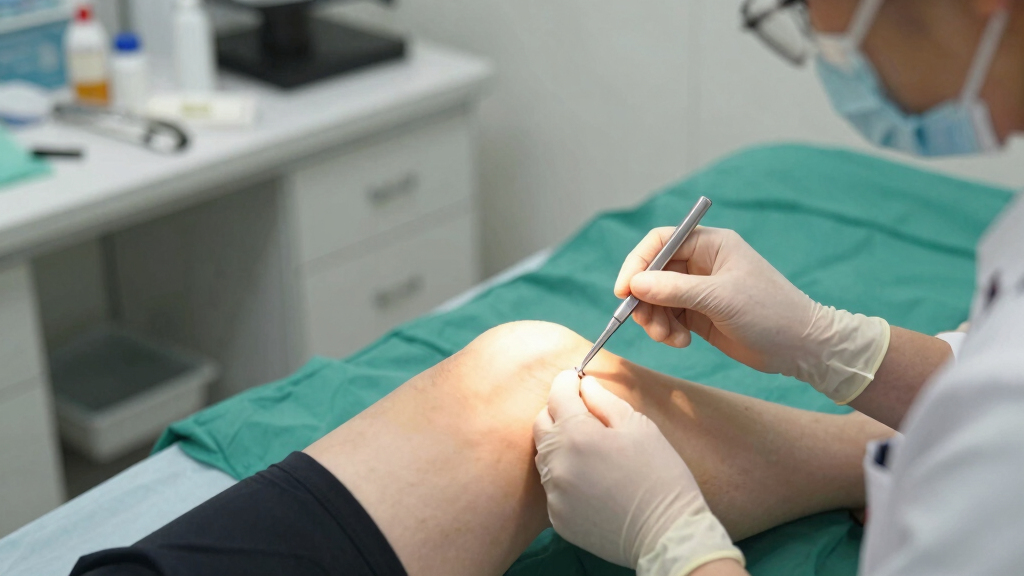
A new minimally invasive procedure for treating chronic knee pain has shown promise as an alternative for patients not ready for knee replacement surgery, offering pain relief with less recovery time, according to recent reports from Discover Magazine.

Turn your wind-down time into listening time
- Thousands of audiobooks, podcasts and originals
- Listen on your phone, tablet or Echo — also offline
- Cancel anytime
Researchers and clinicians are exploring a procedure that involves less tissue disruption than traditional knee replacement surgery. This approach aims to alleviate pain and improve mobility in patients with osteoarthritis or other degenerative knee conditions who are hesitant or unsuitable for joint replacement.
Initial clinical studies suggest that the procedure can reduce pain and improve function in the short term. However, long-term outcomes and comparative effectiveness against standard treatments are still under investigation. Experts emphasize that this minimally invasive option is not yet widely available and remains in the experimental or early adoption phase.
Potential Impact on Knee Pain Treatment Options
This development could significantly change how chronic knee pain is managed, especially for patients who are not candidates for or hesitant about knee replacement surgery. It offers a less invasive alternative that may reduce recovery time, lower complication risks, and delay or prevent the need for more extensive surgery. If validated through further research, it could expand treatment choices and improve quality of life for many patients with degenerative knee conditions.
Products Worth Considering

Therabody Theragun Relief Massage Gun, 3-Speed, Navy

Withings Body Scan Smart Scale with Segmental Body Composition and ECG, Black

Levoit Core 400S-P Smart Air Purifier for Large Rooms
As an affiliate, we earn on qualifying purchases.
Emerging Alternatives to Traditional Knee Replacement
Knee replacement surgery has been a standard solution for severe osteoarthritis and other degenerative conditions, but it carries risks, long recovery periods, and is not suitable for all patients. Over recent years, minimally invasive procedures and joint-preserving techniques have been under development. The new procedure, which involves targeted tissue removal or repair without full joint replacement, is part of this broader trend. Early studies and pilot programs have shown promising results, but comprehensive data is still pending. The medical community continues to evaluate these options to determine their safety, efficacy, and long-term durability.
“This minimally invasive approach could be a game-changer for patients who want to avoid the risks and lengthy recovery associated with traditional knee replacement.”
— Dr. Jane Smith, orthopedic surgeon
Long-Term Effectiveness and Adoption Unclear
It is not yet clear how durable or effective the minimally invasive procedure will be over the long term. Larger, randomized controlled trials are still underway, and regulatory approval processes are pending. Additionally, the availability of the procedure and insurance coverage are not yet determined, which may influence how quickly it is adopted into standard practice.
Further Clinical Trials and Regulatory Review Pending
Researchers plan to conduct larger-scale studies to assess the long-term outcomes of the procedure. Regulatory agencies are expected to review data from ongoing trials before approving it for wider clinical use. Medical professionals and patients will need to monitor these developments to determine when the procedure becomes a mainstream option for managing chronic knee pain.
Key Questions
How does this minimally invasive knee procedure differ from traditional knee replacement?
The procedure involves less tissue removal and avoids replacing the entire joint, focusing instead on targeted repair or tissue removal, which results in shorter recovery times and potentially fewer complications.
Is this procedure suitable for all patients with knee pain?
No, eligibility depends on the specific condition, severity, and patient health. It is currently considered experimental and should be discussed with an orthopedic specialist.
When will this procedure be widely available?
It is still in early research phases, with further trials needed. Widespread availability depends on regulatory approval and clinical validation, which could take several years.
What are the risks associated with this minimally invasive procedure?
Risks are still being evaluated, but potential concerns include incomplete pain relief, need for future surgery, or unforeseen complications. More data is needed to fully assess safety.
Source: google-trends