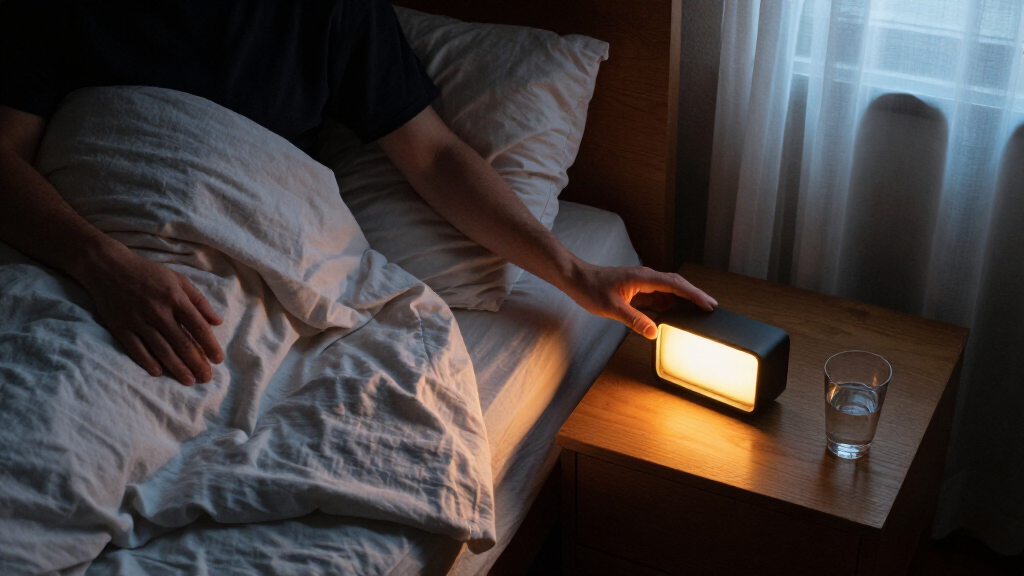

For most people seeking sunrise alarm clocks for sleep, the Philips SmartSleep HF3520/60 is my best overall pick for its dedicated sunrise and sunset routines, natural sounds, and reading light. The Hatch Restore 3 stands out for app-based sleep audio and circadian lighting, while the JALL full-screen model offers a broader mix of alarms, light modes, and nature sounds. The main tradeoff is between straightforward controls and richer customization, with app-connected models adding setup and subscription questions. Sound options, display brightness, and whether you want a separate bedtime routine can matter as much as the wake-up light itself. Read on for the full breakdown and a guide to matching a clock to your sleep habits.

Turn your wind-down time into listening time
- Thousands of audiobooks, podcasts and originals
- Listen on your phone, tablet or Echo — also offline
- Cancel anytime
Key Takeaways
- The Philips SmartSleep HF3520/60 is the strongest all-around fit for shoppers who want sunrise and sunset simulation plus practical bedside features without making an app the center of the experience.
- Hatch Restore 3 is the most sleep-routine-focused option, combining circadian lighting and sleep audio, but its app-centered approach suits connected-device users better than shoppers who want simple physical controls.
- JALL models show how much features vary within one brand: the full-screen version prioritizes a large wake-up display and many sound and light modes, while other JALL picks add Bluetooth or a more compact feature mix.
- Sound-machine combinations dominate this lineup. AIRIVO, Odokee, REACHER, Dreamegg, and several other models pair light with sound, so buyers should compare the sounds and controls they will actually use rather than count modes.
- More customization is not automatically better for sleep. App control, pixel art, Bluetooth, and contactless tracking add different kinds of convenience, but a simple, dimmable clock may be a better fit for buyers sensitive to nighttime light or setup complexity.
| Vicsoon Sunrise Alarm Clock with Wake-Up Light |  | Best Value for a Simple Sleep Routine | Model: A300 | Sunrise simulation: 30 minutes | Sleep timer: 10, 30, or 60 minutes | VIEW LATEST PRICE | See Our Full Breakdown |
| Philips SmartSleep Wake-Up Light with Sunrise and Sunset Simulation, 5 Natural Sounds, FM Radio, and Reading Lamp (HF3520/60) |  | Best for a Complete Light-Based Sleep Routine | Model: HF3520/60 | Lighting routines: Sunrise and sunset simulation | Wake-up sounds: 5 natural sounds | VIEW LATEST PRICE | See Our Full Breakdown |
| Hatch Restore 3 Sleep Clock with Sleep Audio and Circadian Lighting, Putty |  | Best for Sleep-Audio Routines | Color: Putty | Alarm: Sunrise alarm | Sleep sounds: 80+ | VIEW LATEST PRICE | See Our Full Breakdown |
| AIRIVO Sunrise Alarm Clock with White Noise Machine and Moon Night Light | 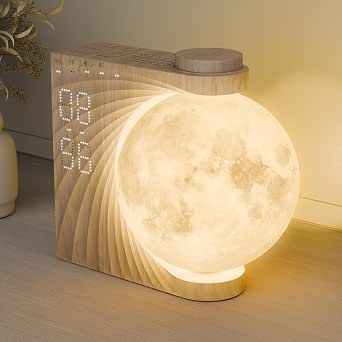 | Best for Dual Alarms and Night-Light Flexibility | Alarm count: 2 | Alarm sounds: 15 | Sleep sounds: 10 | VIEW LATEST PRICE | See Our Full Breakdown |
| Odokee Sunrise Alarm Clock and White Noise Machine |  | Best for Custom Wake Timing and Bluetooth Audio | Sunrise simulation: Gradually brightens 5–60 minutes before the alarm | Sound options: 25, including white, pink, brown, and blue noise plus nature sounds | Bluetooth audio: Yes | VIEW LATEST PRICE | See Our Full Breakdown |
| REACHER Wood Grain Sunrise Alarm Clock with Sound Machine and Nightlight |  | Best for a Simple, Sound-Rich Bedside Routine | Model: R7W | Sunrise duration: 5–60 minutes | Sleep sounds: 26 | VIEW LATEST PRICE | See Our Full Breakdown |
| ecozy Smart Sunrise Alarm Clock with Customizable Pixel Art and White Noise |  | Best for App Routines and Customizable Displays | Connectivity: 2.4 GHz Wi-Fi only; no 5 GHz support | Sound options: 35 stereo sounds | Speakers: Dual speakers | VIEW LATEST PRICE | See Our Full Breakdown |
| Sunrise Alarm Clock with Sound Machine and Gentle Wake-Up Light |  | Best for Straightforward Sound and Light Controls | Sunrise simulation: 10–60 minutes | Brightness: 13 levels | Volume: 32 levels | VIEW LATEST PRICE | See Our Full Breakdown |
| KACLUT Sunrise Alarm Clock with App Control, White Noise, and Bluetooth |  | Best for Multiple Alarms and Sunset Lighting | Sunrise simulation: 0–60 minutes | Sunset timer: 15–120 minutes | Alarms: Up to 4; alarms 3 and 4 require app setup | VIEW LATEST PRICE | See Our Full Breakdown |
| Hatch Sleep Clock Contactless Sleep Tracker, Greige |  | Best for Sleep Tracking Without a Wearable | Sleep tracking: Contactless sensors detect movement and breathing patterns | Listed tracking accuracy: 97% as stated in product content | Controls: App | VIEW LATEST PRICE | See Our Full Breakdown |
| Sunrise Alarm Clock with Sound Machine and Bluetooth |  | Best for Shared Bedtime Routines | Alarms: Dual alarms with independent schedules | Sunrise simulation: Gradual light over 10–60 minutes | Wake-up sounds: 10 natural sounds | VIEW LATEST PRICE | See Our Full Breakdown |
| JALL Sunrise Alarm Clock for Bedrooms, Full-Screen Wake Up Light for Heavy Sleepers, White Noise Sound Machine, 25 Nature Sounds, 17 Light Modes, FM Radio, Dual Weekday/Weekend Alarms, White |  | Best for Heavy Sleepers Who Want Broad Light Coverage | Sunrise simulation: 10–60 minutes | Alarms: Dual alarms with everyday, weekday, or weekend routines | Snooze: Custom 5–20 minutes | VIEW LATEST PRICE | See Our Full Breakdown |
| JALL Sunrise Alarm Clock and White Noise Machine with 25 Sounds, 17 Light Modes, Bluetooth Speaker, and Dimmable Display |  | Best for Fine-Tuning Nighttime Comfort | Model and color: JALL K6, white | Sunrise simulation: Gradually brightens from 10% to 100% over 10–60 minutes | Sleep sounds: 25: 10 noise-masking options and 15 nature tracks | VIEW LATEST PRICE | See Our Full Breakdown |
| JALL Sunrise Alarm Clock with FM Radio, Bluetooth Speaker, and White Noise Sounds |  | Best for Radio Fans | Display: 7-inch LED | Alarms: Dual alarms with daily, weekday, and weekend modes | Sunrise duration: 10–60 minutes | VIEW LATEST PRICE | See Our Full Breakdown |
| Dreamegg Sunrise Alarm Clock and White Noise Machine with Wake-Up Light |  | Best for Simple, App-Free Bedside Use | Model: TR-D66B-US-Warm Beige | Wake-up modes: 3 | Sound options: 29 non-looping soundscapes | VIEW LATEST PRICE | See Our Full Breakdown |
| sunrise alarm clocks for sleep | Sunrise simulation |
|---|---|
| Vicsoon Sunrise Alarm Clock wi | 30 minutes |
| Philips SmartSleep Wake-Up Lig | — |
| Hatch Restore 3 Sleep Clock wi | — |
| AIRIVO Sunrise Alarm Clock wit | Gradually brightens 10 minutes before Alarm 2 |
| Odokee Sunrise Alarm Clock and | Gradually brightens 5–60 minutes before the alarm |
| REACHER Wood Grain Sunrise Ala | — |
| ecozy Smart Sunrise Alarm Cloc | — |
| Sunrise Alarm Clock with Sound | 10–60 minutes |
| KACLUT Sunrise Alarm Clock wit | 0–60 minutes |
| Hatch Sleep Clock Contactless | — |
| Sunrise Alarm Clock with Sound | Gradual light over 10–60 minutes |
| JALL Sunrise Alarm Clock for B | 10–60 minutes |
| JALL Sunrise Alarm Clock and W | Gradually brightens from 10% to 100% over 10–60 minutes |
| JALL Sunrise Alarm Clock with | — |
| Dreamegg Sunrise Alarm Clock a | — |
More Details on Our Top Picks
Vicsoon Sunrise Alarm Clock with Wake-Up Light
The Vicsoon makes sense for sleepers who want a gradual wake-up and a timed wind-down without adding an app or a large sound library to the bedside. Its 30-minute sunrise is longer than the AIRIVO’s 10-minute light ramp, giving the room more time to brighten before the alarm. At bedtime, the 10-, 30-, or 60-minute sleep timer can dim the light without leaving it on all night. Seven wake-up modes include sound-only and light-only choices, while warm-white levels and six RGB colors add flexibility for reading or low lighting. The tradeoff is a relatively focused feature set: unlike the Odokee, it has no listed Bluetooth audio or broad sound collection. It also requires AC power, and the supplied details do not specify battery backup.
Pros:- 30-minute sunrise provides a longer light ramp than the AIRIVO’s 10-minute simulation
- Sleep timer offers 10-, 30-, and 60-minute options for winding down
- Sound-only and light-only wake modes allow different alarm routines
- Warm-white brightness levels and six RGB colors cover both functional and ambient lighting
Cons:- Requires an AC adapter and wired power
- Battery backup is not specified, so power-loss behavior is unclear
- Does not list Bluetooth audio or a large sleep-sound library like the Odokee
Best for: Sleepers who want a 30-minute sunrise, a basic timed wind-down light, and a few wake-up choices without app-based controls
Not ideal for: People who want Bluetooth playback, extensive sleep audio, or a confirmed backup for power interruptions
- Model:A300
- Sunrise simulation:30 minutes
- Sleep timer:10, 30, or 60 minutes
- Wake-up options:Beep, birdsong, stream, rain, ocean wave, sound only, or light only
- Warm-white brightness:3 levels
- RGB colors:6
- Power:AC adapter; wired
- Dimensions:4.09 x 4.09 inches
Our verdict“Choose the Vicsoon if you want a longer sunrise ramp and a straightforward sleep timer, but skip it if Bluetooth audio or confirmed backup power matters.”
Philips SmartSleep Wake-Up Light with Sunrise and Sunset Simulation, 5 Natural Sounds, FM Radio, and Reading Lamp (HF3520/60)
The Philips SmartSleep is the more routine-focused choice here: it pairs sunrise and sunset simulation, so the light can support both waking and winding down rather than serving mainly as an alarm. Five natural sounds and FM radio give morning audio more variety than the Vicsoon’s listed choices, while 20 brightness settings make it more adaptable as a reading lamp. Tap-to-snooze and an automatically dimming display also suit bedside use. Compared with the Hatch Restore 3, Philips keeps the listed functions centered on the clock and light rather than a large sleep-audio library with subscription-linked content. Its tradeoffs are a corded setup and substantial tabletop form: at 1,113 g, it is far heavier than the compact Vicsoon. The product details do not list a battery backup.
Pros:- Sunrise and sunset simulations support both morning and bedtime routines
- 20 brightness settings offer finer reading-light adjustment than the Vicsoon’s three warm-white levels
- Five natural sounds and FM radio provide multiple wake-up audio options
- Tap-to-snooze and automatic display dimming suit a bedside setup
Cons:- Requires corded electric power
- At 1,113 g, it is much heavier than the Vicsoon and may be awkward for small nightstands
- No battery backup is listed
Best for: Sleepers who want sunrise and sunset lighting, built-in radio, and finely adjustable bedside reading light in one corded device
Not ideal for: People with limited bedside space, a preference for cordless operation, or a priority on extensive sleep audio
- Model:HF3520/60
- Lighting routines:Sunrise and sunset simulation
- Wake-up sounds:5 natural sounds
- Brightness settings:20
- Radio:FM radio
- Display:Automatically dimming
- Power:Corded electric
- Weight:1,113 g
Our verdict“Pick Philips if you want a dedicated light-based routine with sunset dimming and radio, but choose a smaller model if bedside space is tight.”
Hatch Restore 3 Sleep Clock with Sleep Audio and Circadian Lighting, Putty
The Hatch Restore 3 is the strongest fit in this group for someone who wants a bedtime audio routine as well as a sunrise alarm. Its library of 80+ sleep sounds is broader than the AIRIVO’s 10 sleep sounds, and customizable lighting plus a dimmable clock display can help keep the bedside less visually intrusive at night. That makes it more of a sleep-routine device than the Philips SmartSleep, whose listed strengths lean toward radio, reading light, and sunset simulation. The main compromise is access: new subscribers receive a 30-day Hatch+ trial, after which some premium content and features require a paid subscription. Buyers who want a device that works around a large built-in sound selection without ongoing fees should compare it carefully with the Odokee, which lists 25 sounds and Bluetooth but no app-based controls.
Pros:- 80+ sleep sounds provide a broader listed library than the AIRIVO’s 10
- Combines sleep audio, customizable lighting, and a sunrise alarm in one bedside routine
- Dimmable clock display helps reduce unwanted light at night
- Includes a 30-day Hatch+ trial for new subscribers
Cons:- Some premium content and features require a paid Hatch+ subscription after the trial
- The listed product details do not specify the full set of alarm controls or sound-access terms
- No Bluetooth audio or physical-control details are provided in the product information
Best for: Sleepers who want a configurable bedtime routine built around a broad sleep-sound library, gentle lighting, and a dimmable clock display
Not ideal for: Buyers who want all sleep content without a recurring subscription, or who prefer physical controls and Bluetooth audio
- Color:Putty
- Alarm:Sunrise alarm
- Sleep sounds:80+
- Lighting:Customizable circadian lighting
- Display:Dimmable clock
- Hatch+ trial:30 days for new subscribers
- Hatch+ after trial:$5.99 per month or $59.99 per year
Our verdict“Choose the Hatch Restore 3 if sleep audio is central to your routine and you accept a subscription for some content; otherwise, compare the Odokee’s listed sound and Bluetooth features.”
AIRIVO Sunrise Alarm Clock with White Noise Machine and Moon Night Light
The AIRIVO suits shared bedrooms or households that need two alarms and an all-in-one night light, with 15 alarm sounds, 10 sleep sounds, and 10 light colors. Its display can be turned off, a useful option for sleepers who are sensitive to light, and power-off memory lasts up to three hours if the clock is unplugged. Compared with the Vicsoon, the AIRIVO adds dual alarms and backup memory, but its sunrise timing is less flexible: the gradual light begins only 10 minutes before Alarm 2, while Alarm 1 has no wake-up lighting. That makes it a less compelling pick for someone whose main goal is a long, gentle dawn simulation. Sleep timers, adjustable volume, and snooze add bedside convenience, though the limited backup window is not a substitute for sustained battery operation.
Pros:- Dual alarms can serve two sleepers or different daily wake times
- Includes 15 alarm sounds, 10 sleep sounds, and 10 night-light colors
- Display can be turned off for a darker bedroom
- Retains memory for up to three hours during a power interruption
Cons:- Sunrise simulation applies only to Alarm 2
- The light ramps for just 10 minutes before Alarm 2
- Power-off memory lasts up to three hours rather than providing ongoing battery operation
Best for: Couples or households needing two alarm settings, varied night-light colors, and a sleep-sound machine in one tabletop device
Not ideal for: People who need sunrise lighting for both alarms or want a longer, adjustable light ramp before waking
- Alarm count:2
- Alarm sounds:15
- Sleep sounds:10
- Sunrise simulation:Gradually brightens 10 minutes before Alarm 2
- Night-light colors:10
- Sleep timer:30, 60, or 90 minutes
- Power-off memory:Up to 3 hours
- Dimensions:5 x 6 x 6.5 inches
Our verdict“Choose the AIRIVO for dual alarms and flexible night lighting, but skip it if a long sunrise ramp is your main sleep-related priority.”
Odokee Sunrise Alarm Clock and White Noise Machine
The Odokee stands out for sleepers who want control over both how early the room brightens and what plays beside the bed. Its sunrise can begin anywhere from 5 to 60 minutes before the alarm, a broader timing range than the fixed 30-minute Vicsoon and the AIRIVO’s 10-minute ramp before Alarm 2. The 25 sounds include several noise colors and nature options, while Bluetooth streaming and a 5W stereo speaker let it double as a bedside audio device. Physical buttons and dials keep operation app-free, unlike a routine built around connected controls. The tradeoff is that its sound quality is not independently verified in the supplied details, and buyers seeking an extensive sleep library may prefer the Hatch Restore 3’s 80+ sounds. Its 12-color night light and fully dimmable display add flexibility, but the listed wake-up sound selection is seven alarm sounds.
Pros:- Adjustable 5–60-minute sunrise window offers more timing flexibility than the Vicsoon or AIRIVO
- 25 sounds include white, pink, brown, and blue noise plus nature sounds
- Bluetooth and a 5W stereo speaker support personal audio streaming
- Physical buttons and dials provide controls without requiring an app
Cons:- No app-based controls for remote setup or adjustment
- Speaker sound quality is described but not independently verified in the supplied product data
- The 25 sound options are fewer than the Hatch Restore 3’s 80+ sleep sounds
Best for: Sleepers who want to choose a sunrise lead time, use varied noise or nature sounds, and stream audio over Bluetooth without an app
Not ideal for: Buyers who want a large sleep-audio library, app-based controls, or independently verified speaker performance
- Sunrise simulation:Gradually brightens 5–60 minutes before the alarm
- Sound options:25, including white, pink, brown, and blue noise plus nature sounds
- Bluetooth audio:Yes
- Speaker output:5W stereo speaker
- Clock display:0–100% dimmable
- Night-light colors:12
- Alarm sounds:7
- Wake-up modes:Light and sound, alarm only, or sunrise light only
Our verdict“Pick the Odokee if adjustable sunrise timing and Bluetooth playback matter more than app controls or a very large sleep-sound library.”
REACHER Wood Grain Sunrise Alarm Clock with Sound Machine and Nightlight
The REACHER pairs a 5–60-minute sunrise with 26 sleep sounds, making it a strong fit for someone who wants light and audio in one straightforward bedside unit. Its eight-color dimmable nightlight and adjustable display give you ways to keep the room calm without a bright screen competing with sleep. Compared with the app-centered ecozy, this model keeps its listed controls focused on bedside use rather than Wi-Fi routines or animated pixel art. The tradeoff is that its feature set is less connected and customizable than the ecozy’s, and it needs corded power to operate. A built-in battery retains settings during outages, but the product details don’t specify its type or how long backup lasts.
Pros:- Sunrise duration adjusts from 5 to 60 minutes.
- Offers 26 sleep sounds with a 5–180-minute timer.
- Eight-color nightlight and display are dimmable.
- Built-in battery retains settings during a power outage.
Cons:- Requires corded electric power for operation.
- Backup battery type and duration are not specified.
Best for: Sleepers who want a gradual wake-up, a broad selection of sleep sounds, and a dimmable bedside light without relying on app control.
Not ideal for: Buyers who want smart-home or app-based scheduling, or anyone who needs the clock to run without wall power.
- Model:R7W
- Sunrise duration:5–60 minutes
- Sleep sounds:26
- Nightlight:8 dimmable colors
- Display brightness:0–100% dimmable
- Sound and nightlight timer:5–180 minutes
- Dimensions:6.7 × 2.7 × 6 inches
- Power:Corded electric; built-in battery retains settings during outages
Our verdict“Choose the REACHER if you want a sound-rich, adjustable bedside routine with a gradual sunrise and no listed need for app control.”
ecozy Smart Sunrise Alarm Clock with Customizable Pixel Art and White Noise
The ecozy is the most playful, app-oriented choice in this group: it combines a gradual sunrise with sleep routines, 35 stereo sounds, and customizable pixel art or animated GIFs. That display gives it a different bedside feel from the wood-grain REACHER, which focuses more on a conventional nightlight and a compact sound machine. You can also start Sleep and Relax modes on the device, so basic use does not depend entirely on opening the app. The main limitation is connectivity: setup and app control require 2.4 GHz Wi-Fi, with no 5 GHz support. It also needs corded power, and its digital art features may be unnecessary for people who want a dark, distraction-free bedroom rather than a customizable screen.
Pros:- Combines gradual sunrise lighting with sleep routines.
- Includes 35 stereo sounds and dual speakers.
- Customizable pixel art and animated GIFs add display options.
- Sleep and Relax modes can also be started using device buttons.
Cons:- App connectivity supports 2.4 GHz Wi-Fi only, not 5 GHz.
- Requires corded power.
- Customizable art and animations may distract buyers seeking a subdued bedside display.
Best for: People who enjoy app-managed sleep routines, a wide sound selection, and a customizable visual display, and have 2.4 GHz Wi-Fi available.
Not ideal for: Buyers who avoid Wi-Fi-connected bedroom devices, use only 5 GHz Wi-Fi, or prefer a simple clock with minimal visual stimulation.
- Connectivity:2.4 GHz Wi-Fi only; no 5 GHz support
- Sound options:35 stereo sounds
- Speakers:Dual speakers
- Controls:App and device buttons
- Features:Gradual sunrise, sleep routines, mood light, noise machine, OK-to-wake
- Dimensions:7.05 in W × 6.89 in H
- Weight:1.2 lb
- Power:Corded electric
Our verdict“Pick the ecozy if app-based routines and a customizable display matter more to you than a minimal, screen-quiet bedside clock.”
Sunrise Alarm Clock with Sound Machine and Gentle Wake-Up Light
This clock suits buyers who want familiar alarm-clock controls alongside a 10–60-minute sunrise and a substantial library of white-noise and nature sounds. Its 30 sounds and 32 volume levels offer more audio choice than the KACLUT’s seven wake-up and sleep sounds, while the KACLUT adds app control, Bluetooth, and FM radio that this model does not list. A 30–480-minute sleep timer can support longer listening sessions, and the memory function is handy if you don’t want to rebuild your settings after every use. The tradeoff is that the number of adjustable settings may take time to learn. The provided product details also omit its power source and any battery backup information, leaving an important bedside-use detail unclear.
Pros:- Offers 30 sounds, including white noise and nature options.
- Sunrise duration adjusts from 10 to 60 minutes.
- Provides 32 volume levels and 13 brightness levels.
- Sleep timer runs from 30 to 480 minutes, with a memory function.
Cons:- The multiple settings may take time to adjust.
- Product details do not specify the power source or backup behavior.
- No app control, Bluetooth, or FM radio is listed, unlike the KACLUT.
Best for: Sleepers who want many white-noise and nature-sound choices, adjustable alarm volume, and a long sleep timer without needing listed app or Bluetooth features.
Not ideal for: Buyers who want app scheduling, Bluetooth audio, or clearly documented power and outage-backup details.
- Sunrise simulation:10–60 minutes
- Brightness:13 levels
- Volume:32 levels
- Sound options:30: 10 white-noise and 20 nature sounds
- Sleep timer:30–480 minutes
- Display dimmer:5 levels
- Additional features:Continuous play, memory function, snooze, backlit buttons
Our verdict“Choose this model if sound variety and a long sleep timer matter more than connected controls or clearly stated power-backup details.”
KACLUT Sunrise Alarm Clock with App Control, White Noise, and Bluetooth
The KACLUT stands out for a routine that covers both ends of the day: it offers a 0–60-minute sunrise and a sunset timer adjustable from 15 to 120 minutes. App control lets you manage up to four alarms, a useful distinction from the REACHER’s more traditional bedside feature set. It also combines seven wake-up and sleep sounds with FM radio and Bluetooth audio, giving it more listening sources than the sound-focused but simpler Sunrise Alarm Clock with Sound Machine and Gentle Wake-Up Light. The compromise is that alarms three and four can only be set through the app, so using the full alarm capacity depends on a phone. It also needs corded power, and its seven listed sounds are fewer than the sound libraries on several alternatives.
Pros:- Sunrise duration adjusts from 0 to 60 minutes and sunset from 15 to 120 minutes.
- Supports up to four alarms through app control.
- Includes Bluetooth audio and FM radio alongside white noise and nature sounds.
- Offers 11 colorful ambient light options.
Cons:- Alarms three and four can only be set through the app.
- Requires corded power.
- Lists seven wake-up and sleep sounds, fewer than the REACHER and the 30-sound clock in this lineup.
Best for: Households or shift workers who need multiple scheduled alarms, app-adjustable lighting, and sunset timing in one bedside device.
Not ideal for: People who want to set every alarm directly on the clock, avoid app control, or need a large built-in library of sleep sounds.
- Sunrise simulation:0–60 minutes
- Sunset timer:15–120 minutes
- Alarms:Up to 4; alarms 3 and 4 require app setup
- Sound options:7 wake-up and sleep sounds, including white noise and nature sounds
- Connectivity:App control, Bluetooth, FM radio
- Lighting:11 colorful ambient lights
- Dimensions:2.75 in W × 7 in H
- Power:Corded electric
Our verdict“Pick the KACLUT if you need several alarms and sunset lighting, and are comfortable using the app to manage some settings.”
Hatch Sleep Clock Contactless Sleep Tracker, Greige
The Hatch Sleep Clock is the clearest choice here for buyers who want more than a gentler wake-up: its nightstand sensors track movement and breathing patterns, then provide sleep insights alongside a sunrise alarm, smart light, and sleep sounds. That separates it from the REACHER, which offers more specified sound and lighting controls but no listed sleep tracking. The Hatch also includes bedtime reminders, so it can support a repeatable wind-down routine as well as waking. Its tradeoffs are the reliance on app control and Wi-Fi, plus uncertainty around whether some audio or features require a subscription. The product details state a tracking accuracy figure, but do not explain how that figure was measured, so I would not treat it as a guarantee of individual results.
Pros:- Tracks sleep contactlessly from a nightstand, without a wearable.
- Combines sleep insights with a sunrise alarm and smart light.
- Includes sleep sounds and bedtime reminders.
- Uses Wi-Fi and Bluetooth connectivity.
Cons:- Requires app control and Wi-Fi connectivity.
- Product details do not clarify whether some audio or features require a subscription.
- The listed tracking accuracy figure lacks a stated measurement method.
Best for: Sleepers who want contactless sleep insights and a connected bedtime routine, and are comfortable using an app and Wi-Fi.
Not ideal for: People seeking a standalone sunrise alarm, those who do not want a connected device by the bed, or buyers who need clear subscription details before choosing.
- Sleep tracking:Contactless sensors detect movement and breathing patterns
- Listed tracking accuracy:97% as stated in product content
- Controls:App
- Connectivity:Wi-Fi and Bluetooth
- Power input:120 V AC
- Functions:Sunrise alarm, smart light, sleep sounds, bedtime reminders
- Mounting:Tabletop
- Color:Greige
Our verdict“Choose the Hatch if contactless sleep insights are a priority; choose a simpler model such as the REACHER if you mainly want light and sound controls.”
Sunrise Alarm Clock with Sound Machine and Bluetooth
Independent dual alarms make this a practical choice for partners who keep different schedules, while its 10–60-minute sunrise lets each morning begin with a gradual light change rather than sound alone. It also brings together a reading lamp, night light, Bluetooth audio, and 30 sleep sounds, so it covers more bedside jobs than the simpler Dreamegg Sunrise Alarm Clock. The sound selection and range of lighting roles make it a flexible sleep companion, but the product details leave key questions about Bluetooth compatibility and battery type unanswered. Its stated 24-hour backup and memory settings can help protect a routine during an outage, though the backup setup is not clearly explained. I’d choose it for a feature-rich shared bedroom, not for someone who wants clearly documented connectivity or a minimal clock.
Pros:- Independent schedules accommodate two different wake-up times.
- Gradual sunrise can be set from 10 to 60 minutes.
- Includes 30 sleep sounds plus natural wake-up sounds.
- Combines wake-up light, reading lamp, night light, and Bluetooth audio.
Cons:- Backup battery type and whether it is rechargeable are not specified.
- Bluetooth capabilities and compatible devices are not described in detail.
Best for: Partners who need separate alarm schedules and want one bedside device for sleep sounds, reading light, and wake-up lighting.
Not ideal for: Buyers who need clear details about Bluetooth compatibility or the exact type and operation of the backup battery.
- Alarms:Dual alarms with independent schedules
- Sunrise simulation:Gradual light over 10–60 minutes
- Wake-up sounds:10 natural sounds
- Sleep sounds:30 soothing sounds
- Lighting modes:9
- Functions:Wake-up light, reading lamp, night light, and white noise machine
- Audio connectivity:Bluetooth
- Backup and warranty:24-hour battery backup; 36-month warranty for core light and circuitry
Our verdict“Choose this if separate alarms and several bedside functions matter more than fully specified Bluetooth and backup-battery details.”
JALL Sunrise Alarm Clock for Bedrooms, Full-Screen Wake Up Light for Heavy Sleepers, White Noise Sound Machine, 25 Nature Sounds, 17 Light Modes, FM Radio, Dual Weekday/Weekend Alarms, White
The full-screen sunrise panel is the main reason to choose this JALL: its light is designed to spread across a wider area than a small lamp-style wake-up light, which may suit sleepers who find a narrow beam easy to miss. Its 10–60-minute ramp, dual weekday or weekend alarms, and snooze give households useful routine control. Compared with the JALL K6, this model also lists FM radio and phone time syncing through Bluetooth, although the K6’s specifications more clearly spell out its volume range and display blackout. Here, L0 screen blackout and a long sleep timer support a darker room at night. The tradeoff is a relatively large 12.4-by-10.2-by-3.2-inch body, and the Bluetooth time-sync and speaker details should be checked against the included manual before purchase.
Pros:- Full-screen panel is designed to provide broader sunrise light coverage.
- Separate alarm routines support everyday, weekday, or weekend schedules.
- Offers 25 natural and noise-masking sounds plus FM radio.
- L0 screen blackout and a 10–480-minute sleep timer support a darker bedtime setup.
Cons:- The listed dimensions make it a comparatively large bedside device.
- Bluetooth time syncing and speaker performance are not described as precisely as the K6’s core specifications.
- The light panel’s actual brightness and coverage in a particular room are not quantified.
Best for: Deep sleepers who want a broad bedside light panel, separate weekday and weekend alarms, and multiple sound choices.
Not ideal for: People with limited bedside space or buyers who want especially clear, detailed control specifications before choosing.
- Sunrise simulation:10–60 minutes
- Alarms:Dual alarms with everyday, weekday, or weekend routines
- Snooze:Custom 5–20 minutes
- Sleep sounds:25 natural sounds and white-noise options
- Lighting:17 modes: 8 solid colors and 9 dynamic RGB effects
- Radio and audio:FM radio, 76–108 MHz; 5W Bluetooth speaker
- Display:LED with L0 blackout mode
- Dimensions and weight:12.4 x 10.2 x 3.2 inches; 1.2 pounds
Our verdict“Pick this JALL if broad-panel sunrise lighting and flexible weekday routines matter more than a compact footprint.”
JALL Sunrise Alarm Clock and White Noise Machine with 25 Sounds, 17 Light Modes, Bluetooth Speaker, and Dimmable Display
This JALL K6 earns its place for sleepers who want to adjust the room’s sound and light without leaving a bright display on. Its screen can be dimmed or turned off, and 16 volume levels offer more granularity than the feature descriptions for the JALL FM Radio model. A 10–60-minute sunrise and 25 sound tracks cover the core sleep-and-wake routine, while Bluetooth and 17 light modes give it extra use as a bedside speaker and mood light. Compared with the Dreamegg, the K6 lists its sound categories, volume levels, and USB output more explicitly; the Dreamegg, by contrast, highlights non-looping soundscapes and saved favorites. The K6’s main limitation is that it is corded only, and its USB port is rated at 5V/1A, not presented as fast charging.
Pros:- Display can be dimmed or switched off for a darker bedroom.
- Sixteen volume levels allow detailed sound adjustment.
- Combines 25 sleep sounds, sunrise lighting, Bluetooth, and 17 light modes.
- Memory settings retain time and sound preferences during power outages.
Cons:- Requires a corded electrical connection.
- USB charging output is 5V/1A, with no fast-charging claim.
- Does not list an FM radio, unlike the JALL FM Radio model.
Best for: Light-sensitive sleepers who want a fully dark display, fine volume adjustment, and a broad choice of sleep sounds.
Not ideal for: People who need a cordless bedside clock or expect its USB port to provide fast phone charging.
- Model and color:JALL K6, white
- Sunrise simulation:Gradually brightens from 10% to 100% over 10–60 minutes
- Sleep sounds:25: 10 noise-masking options and 15 nature tracks
- Volume:16 levels
- Light modes:17: 8 solid colors and 9 RGB gradients
- Bluetooth:Bluetooth audio
- USB charging:5V, 1A
- Power and weight:Corded electric; 10.24 ounces
Our verdict“Choose the K6 for display blackout and detailed sound control, but pick the JALL FM Radio model if radio listening is a priority.”
JALL Sunrise Alarm Clock with FM Radio, Bluetooth Speaker, and White Noise Sounds
This JALL is a good fit for sleepers who want FM radio alongside sunrise lighting, rather than treating the clock as only a white-noise machine. The 10–60-minute ramp, adjustable light brightness, and dual alarms let it handle a gradual wake-up routine; the sleep timer and snooze add familiar bedtime and morning controls. Its 5W Bluetooth speaker also supports phone audio, while 25 sleep sounds offer a fallback when radio or streaming is not wanted. Compared with the newer JALL K6, this model clearly lists FM radio and a 9-minute snooze, while the K6 gives more detail on volume control and memory settings. The tradeoff is a corded setup and a 365-day warranty; readers seeking a saved sound-and-light routine may prefer the Dreamegg’s Favorites Mode.
Pros:- FM radio, Bluetooth audio, and 25 sleep sounds offer several listening options.
- Sunrise duration and brightness are adjustable.
- Dual alarms support daily, weekday, and weekend schedules.
- Ambient light has 17 colors and 20 brightness levels.
Cons:- Requires a USB power connection and is intended for indoor use.
- Does not offer app-based controls.
- Its 365-day warranty is shorter than the 36-month core light and circuitry warranty listed for the Sunrise Alarm Clock with Sound Machine and Bluetooth.
Best for: Radio listeners who want FM alarm options, a gradual sunrise, and sleep sounds in one tabletop clock.
Not ideal for: Buyers who want app-based controls, cordless operation, or a saved favorite light-and-sound combination.
- Display:7-inch LED
- Alarms:Dual alarms with daily, weekday, and weekend modes
- Sunrise duration:10–60 minutes
- Brightness:10–100%
- Sound options:25 sleep sounds; 5W Bluetooth speaker
- FM radio:76–108 MHz
- Sleep timer and snooze:10–480-minute sleep timer; 9-minute snooze
- Size and warranty:7.3 x 7.3 inches; 15.2 ounces; 365-day warranty
Our verdict“Choose this JALL if FM radio is a key part of your wake-up routine and you are comfortable with corded, onboard controls.”
Dreamegg Sunrise Alarm Clock and White Noise Machine with Wake-Up Light
The Dreamegg focuses on a straightforward bedside routine: a gradual wake-up light, alarm, night light, timer, and sound machine, all controlled without an app or subscription. Its 29 non-looping soundscapes may suit sleepers who notice repeated audio patterns, and Favorites Mode saves a preferred sound-and-light combination for easier repeat use. Compared with the JALL K6, it offers more listed sound options and a physical top dial, while the K6 provides clearer volume-level specifications and Bluetooth audio. Three wake-up modes add flexibility, but the product details do not specify the sunrise duration or explain those modes in depth. The compact 6.7-inch width also makes it easier to fit on a crowded nightstand than the larger JALL full-screen model. It is still corded and lacks app control.
Pros:- Twenty-nine non-looping soundscapes offer variety at bedtime.
- Favorites Mode saves a preferred sound and light combination.
- Top dial provides physical playback and snooze control without an app.
- Compact 6.7-inch width suits smaller nightstands.
Cons:- Requires a corded electrical connection.
- No app-based controls or Bluetooth audio are listed.
- Sunrise duration and detailed behavior of the three wake-up modes are not specified.
Best for: Sleepers who want varied non-looping sounds, a saved bedside setup, and simple physical controls without an app.
Not ideal for: People who want Bluetooth streaming, app-based adjustments, or a clearly specified sunrise duration.
- Model:TR-D66B-US-Warm Beige
- Wake-up modes:3
- Sound options:29 non-looping soundscapes
- Ambient light:10 colors
- Controls:Multi-function top dial
- Display and features:Digital display, dimming, timer, snooze, night light, Favorites Mode
- Power and use:Corded electric; indoor tabletop use
- Dimensions and weight:6.7 inches wide x 3.7 inches high; 400 g
Our verdict“Pick the Dreamegg for app-free controls and saved sound-and-light favorites, but choose the JALL K6 if Bluetooth and more explicit sunrise specifications matter more.”
How We Picked
I ranked these sunrise alarm clocks for sleep by how well their light and sound features support a practical bedside routine: gradual wake-up lighting, useful wind-down options, adjustable display brightness, and controls that are understandable at bedtime or on waking. I also weighed versatility, including sound-machine functions, radio or Bluetooth, weekday and weekend alarms, and whether a product relies on an app. A longer feature list mattered only when it could serve a clear buyer need.
The ranking puts balanced sleep-focused performance ahead of feature count. Philips ranks first for its combination of sunrise and sunset simulation with familiar bedside functions; Hatch Restore 3 earns a distinct place for app-led routines, while the JALL and sound-machine combinations appeal to shoppers seeking more modes or sound choices. Models with specialized extras, such as pixel art or contactless sleep tracking, suit narrower preferences rather than every sleeper. Product names and feature descriptions alone cannot establish clinical sleep benefits, so I treat these as routine and wake-up tools, not sleep treatment.
Factors to Consider When Choosing Sunrise Alarm Clocks For Sleep
Choosing a clock is less about finding the longest feature list and more about fitting light, sound, and controls to your room and routine. These broader factors can help narrow the lineup before you settle on a model.
Match Light Control to Your Bedroom
A wake-up light needs to be bright enough to notice but manageable in a dark room. Check whether you can adjust brightness and the display separately; a dim lamp with a glaring clock face can still disturb sleep. Consider where the unit will sit, since a light aimed directly at your pillow may feel more intrusive than one placed farther away. If you share a room, a gradual light may wake a partner even when your alarm is set for you. Choose simple, low-light controls if you are sensitive to light at night, rather than paying for decorative display modes you may keep switched off.
Decide Whether You Need a Bedtime Routine
Some clocks focus on waking, while others pair a sunrise with sunset simulation, sleep audio, or guided routines. A sunset feature can be useful if you want one bedside device to mark both ends of the day, but it is not a substitute for a consistent bedtime. Before choosing, ask whether you will actually use audio or lighting at night, or whether your priority is simply waking more gently. App-based routines may offer more customization, but they can add setup steps and make a phone part of the bedtime process. If reducing screen interaction is part of your goal, favor controls that work directly on the clock.
Choose Sounds for Their Role, Not Their Count
Nature sounds, white noise, FM radio, and Bluetooth serve different purposes, so a large sound library is not automatically an advantage. White noise can mask steady background sounds, while a chosen alarm tone may be easier to recognize as a wake-up cue. Bluetooth is useful if you prefer your own audio, but it adds pairing and phone-dependence that built-in sounds avoid. Think about whether you need sound all night, only at bedtime, or only for the alarm. Also check how easily you can silence or change a sound when you are tired; controls that are fiddly at night can undermine an otherwise useful feature.
Check Alarm Flexibility Before You Buy
Different wake times across workdays and weekends can make dual alarms or separate schedules more valuable than extra lighting effects. Heavy sleepers may want both gradual light and an audible alarm, rather than relying on a lamp alone. Confirm that the alarm can be adjusted without resetting the entire routine, especially if your schedule changes often. A shared bedroom calls for special attention to alarm volume, light direction, and whether more than one schedule can be set. Avoid assuming that every model with several alarm features handles weekday and weekend routines in the same way.
Weigh App Features Against Bedside Simplicity
App control can make schedules, audio, and lighting easier to customize, but it also brings phone setup and possible dependence on connectivity or account features. Decide whether you want to manage your clock from bed or set it once and use physical buttons each day. Contactless tracking is a separate category of feature: it may appeal to people interested in sleep data, but it is not required for a sunrise alarm to work as a wake-up aid. Check which functions remain available from the device itself before choosing a connected model. Buyers who value low-maintenance routines may prefer a clock with clear onboard controls and fewer software layers.
Keep the Nightstand Setup in Mind
Sunrise clocks can combine a lamp, sound machine, radio, speaker, and alarm, but a multifunction unit may take more room and put more controls within reach than you want. Measure the available bedside space and consider whether you need a reading light, a large display, or a smaller footprint. Wood-grain styling and pixel-art displays are aesthetic choices, while sound-machine functions address a different need; separate those priorities before paying for both. If you already own a speaker or white-noise device, a simpler sunrise alarm may avoid duplicating equipment. Favor the few features that fit your routine over a crowded nightstand of unused modes.
Frequently Asked Questions
Can a sunrise alarm clock replace a regular alarm?
It depends on how reliably you wake to light. If you are a heavy sleeper or need a firm wake time, choose a model that pairs gradual lighting with an audible alarm rather than relying on illumination alone. Keep a backup alarm available while you learn how noticeable the light is in your room. Room brightness, clock placement, and your sleep schedule can all affect whether the light reaches you at the right time. A sunrise clock is best treated as a gentler wake-up cue, not a guarantee that every sleeper will wake without sound.
Should I choose a clock with sunset simulation for sleep?
Sunset simulation is most useful if you want your bedside light to support a consistent wind-down routine as well as a morning wake-up. It may be less useful if you already use a separate lamp or prefer a simple alarm. The feature does not guarantee faster or better sleep, and its value depends on whether you will use it regularly. Check that the evening light can be set to a comfortable level and scheduled without a complicated process. If the sunrise is your only priority, a model focused on waking may be a better match.
Are app-controlled sunrise clocks worth choosing over button-operated ones?
An app can help if you want to customize schedules, audio, or lighting from your phone, as with the Hatch Restore 3. A clock with direct controls may be easier for buyers who want to adjust an alarm without opening an app or keeping a phone nearby. Before buying a connected model, check which routines work on the device itself and whether the app or any extra service is needed for features you care about. App control adds flexibility, but it can also mean more setup and another device involved in bedtime. Choose based on how you prefer to manage a routine, not on connectivity alone.
Is a sunrise alarm with white noise a good choice for a shared bedroom?
It can be, but light direction and sound control matter more than the number of available sounds. A lamp facing a partner may disturb them, while a sound played through a speaker can be audible across the room. Look for independent brightness and volume adjustments, and consider whether you can use the light without sound or sound without the light. If your partner keeps a different schedule, separate alarms or a more directional setup may be preferable. A combined sound machine is most useful when both people are comfortable with its light and audio reaching the shared space.
Do I need contactless sleep tracking in a sunrise alarm clock?
No; tracking and sunrise lighting solve different problems. A contactless tracker such as the Hatch Sleep Clock may interest someone who wants sleep-related information alongside a bedside device, but it is not necessary to set a gradual wake-up light. Consider whether you will use the data and how you feel about collecting sleep information before choosing that feature. Tracking results should not be treated as a medical diagnosis or a replacement for professional advice about persistent sleep problems. If your main goal is a gentler alarm, prioritize light controls, sound, and ease of use instead.
Conclusion
For the broadest blend of sleep-focused lighting and bedside usefulness, I recommend the Philips SmartSleep HF3520/60 as the best overall pick. The best value direction is one of the simpler sunrise-and-sound combinations, such as Odokee or AIRIVO, if you want core functions without app-led routines; compare their controls and sound options before choosing. For a best premium, routine-centered choice, Hatch Restore 3 suits shoppers who welcome app-based sleep audio and circadian lighting. Beginners are likely to prefer a straightforward model with clear onboard controls and a conventional audible alarm, while the Philips and simpler JALL options are stronger starting points than app-heavy or tracking-focused devices. For specific needs, pick the JALL full-screen model if a large display and many modes appeal, the ecozy if customizable pixel art is a priority, or the Hatch Sleep Clock if contactless tracking is the feature you want. Choose the clock that fits your actual bedtime and wake-up habits, not the one with the most functions.
Halloween Picks

HOPOCO Halloween Pumpkin Fog Machine with 12 LED Colors and 4 Light Modes

MGparty 14.5 ft Halloween Inflatable Walk-In Pumpkin House with LED Lights

15-Foot Halloween Pumpkin Inflatable with LED Lights and Air Blower
As an affiliate, we earn on qualifying purchases.