
When incorporating ethnic elements into your cross-cultural designs, it’s essential to understand their cultural significance and symbolism first. Respectful integration involves researching meanings, collaborating with cultural representatives, and ensuring authenticity. Avoid stereotypes or misappropriation by honoring the origins and stories behind motifs. Thoughtfully blending symbols can foster mutual understanding and appreciation across cultures. By approaching this with sensitivity, you’ll create designs that celebrate diversity and authenticity—so keep exploring ways to deepen your cultural awareness.

Turn your wind-down time into listening time
- Thousands of audiobooks, podcasts and originals
- Listen on your phone, tablet or Echo — also offline
- Cancel anytime
Key Takeaways
- Conduct thorough research to understand the cultural significance and proper context of ethnic symbols and motifs.
- Collaborate with cultural experts or artisans to ensure authentic and respectful integration of elements.
- Respect layered meanings and avoid cultural stereotypes or misappropriation in design choices.
- Blend symbols thoughtfully to promote cross-cultural understanding while honoring each culture’s identity.
- Provide proper credit and avoid taking symbols out of their original context to uphold ethical design practices.
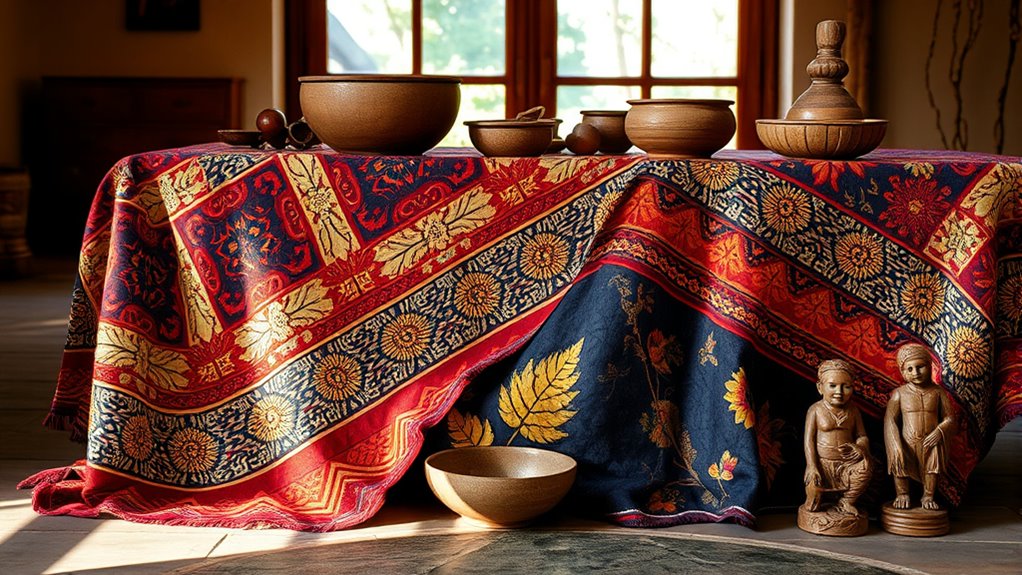
Have you ever wondered how designs can bridge different cultures or unintentionally create misunderstandings? It’s fascinating how a single visual element can carry deep cultural symbolism or evoke specific traditional motifs, yet also risk misinterpretation if not approached thoughtfully. When you incorporate ethnic elements into your designs, understanding the significance behind these symbols is essential. Cultural symbolism often reflects core values, beliefs, and history—what might seem like an attractive pattern could actually represent profound concepts in its original context. For example, a lotus flower might symbolize purity in one culture but hold different connotations elsewhere. Recognizing these nuances helps you create designs that honor the cultural origins rather than inadvertently offending or confusing your audience.
Traditional motifs are another fundamental aspect to consider. These motifs aren’t just decorative; they serve as visual storytelling devices that connect generations. When you use these elements, it’s imperative to respect their cultural roots. For instance, incorporating indigenous patterns or embroidery styles requires more than just copying the aesthetic—it demands understanding their meaning and significance. Appropriating traditional motifs without context can dilute their value or even be seen as disrespectful. To avoid this, research thoroughly and, if possible, collaborate with cultural representatives or artisans to guarantee authenticity and respect. This approach not only enriches your design but also fosters genuine cross-cultural appreciation. Additionally, understanding the cultural context behind motifs ensures that your use is both respectful and impactful.
Moreover, blending cultural symbolism and traditional motifs thoughtfully can create compelling, inclusive designs that resonate across diverse audiences. You can highlight shared human experiences by selecting symbols that have universal appeal or by thoughtfully juxtaposing motifs from different cultures to promote understanding. However, always be cautious of stereotypes or oversimplifications. Cultural elements often have layered meanings that can be lost or misunderstood when taken out of context. Your goal should be to celebrate diversity without reducing it to mere aesthetics. Consider the storytelling aspect—what story are you telling with these elements? Are you giving credit where it’s due? Are you respecting the origins of these symbols? These questions will guide you toward more meaningful and respectful cross-cultural designs.
As an affiliate, we earn on qualifying purchases.
Frequently Asked Questions
How Do I Choose Authentic Ethnic Elements for My Design?
To choose authentic ethnic elements, focus on cultural authenticity by researching the origin and meaning of symbols. Confirm that the elements you select genuinely represent the culture and respect its traditions. Pay attention to symbol significance, avoiding stereotypes or superficial uses. Connect with cultural experts or communities when possible, and always approach the design with sensitivity and respect, so your work honors the culture’s true essence and significance.
What Are Common Pitfalls in Cross-Cultural Design?
You risk a cultural catastrophe if you ignore common pitfalls in cross-cultural design. Misinterpreting symbols can lead to offensive misunderstandings, while cultural appropriation turns respect into controversy. Don’t assume you understand a culture without thorough research; it’s like trying to solve a Rubik’s Cube blindfolded. Stay authentic, respectful, and consult community members to avoid these pitfalls, ensuring your design celebrates diversity without crossing into insensitivity.
How Can I Balance Modern and Traditional Aesthetics?
To balance modern and traditional aesthetics, you should focus on blending styles thoughtfully, ensuring they complement each other. Use a cohesive color harmony to unify contrasting elements, creating a harmonious look. Incorporate traditional patterns subtly alongside sleek, contemporary designs to avoid overwhelming the space. By thoughtfully mixing textures and maintaining visual balance, you can create a design that respects cultural roots while embracing modern innovation.
Are There Copyright Issues With Using Ethnic Symbols?
Using ethnic symbols is like walking a tightrope—you need to balance respect and creativity. You might face copyright issues if the symbols are protected by intellectual property laws or if you risk cultural appropriation. Always research the origin and significance of the symbols, seek permission if possible, and credit the culture. Respectful use helps you avoid legal problems and shows genuine appreciation, not exploitation.
How Can I Ensure Cultural Sensitivity in My Designs?
To guarantee cultural sensitivity, you need to avoid cultural appropriation by respecting the origins of ethnic elements. Research thoroughly and seek input from members of the culture you’re representing to promote respectful representation. Be mindful of stereotypes or misinterpretations, and consider collaborating with cultural consultants. This approach helps create authentic, respectful designs that honor the cultural significance behind the elements you incorporate.
traditional cultural embroidery kits
As an affiliate, we earn on qualifying purchases.
As an affiliate, we earn on qualifying purchases.
Conclusion
By now, you see how blending ethnic elements into your designs can truly set you apart. It’s like hitting two birds with one stone—you honor diverse cultures while creating something unique and eye-catching. Just remember, when you respect and thoughtfully incorporate these elements, you’re building bridges rather than walls. Keep an open mind and let the rich tapestry of cultures inspire your work. After all, variety is the spice of life, so don’t be afraid to get creative!
authentic indigenous pattern wall art
As an affiliate, we earn on qualifying purchases.
As an affiliate, we earn on qualifying purchases.
As an affiliate, we earn on qualifying purchases.
Halloween Picks
halloween
As an affiliate, we earn on qualifying purchases.