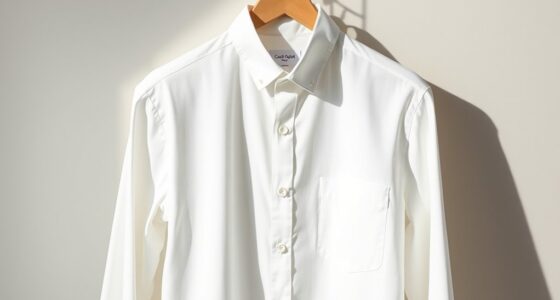
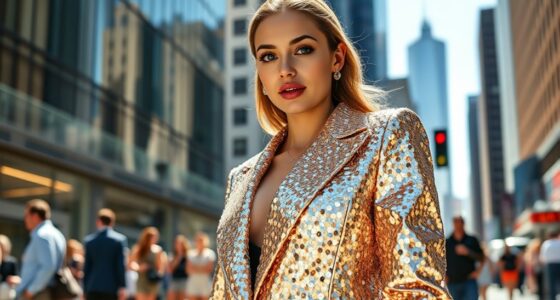
Gender fluid fashion is transforming how you express yourself, moving beyond traditional male or female clothing. It celebrates diversity by blending styles, colors, and silhouettes to reflect your unique identity. Influenced by icons, designers, and movements, this shift challenges stereotypes and promotes inclusivity. Brands now create gender-neutral options and push limits with innovative designs. If you keep exploring, you’ll discover how fashion continues to break barriers and empower authentic self-expression.
Key Takeaways
- Modern fashion increasingly embraces gender fluidity, moving away from traditional labels and promoting inclusive, self-expressive styles.
- Influential icons and designers challenge gender norms through androgynous and unconventional clothing choices.
- Brands develop gender-neutral collections and campaigns to foster acceptance and accessibility for diverse identities.
- Cultural shifts and advocacy movements normalize gender diversity, breaking societal stereotypes in fashion.
- Technological innovations enable personalized, innovative styles that empower individuals to define their gender expression freely.
The Evolution of Gender Norms in Fashion
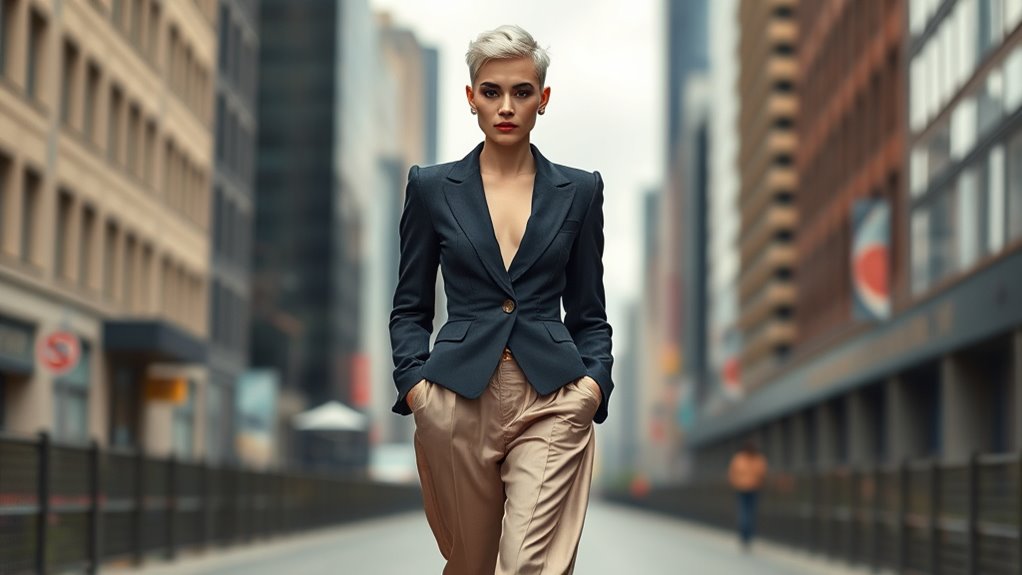
Have you ever wondered how gender norms in fashion have changed over time? Throughout history, fashion reflected cultural influences and societal expectations. In ancient civilizations, clothing often signified social status or gender roles, with strict distinctions between male and female attire.
During the Renaissance and Victorian eras, these boundaries became even more rigid, reinforcing traditional gender expressions. However, cultural shifts, such as the 20th-century feminist movements and globalization, challenged these norms. Styles started blending, with men adopting more expressive clothing and women breaking free from restrictive dresses. Today, fashion continues to evolve, embracing gender fluidity and rejecting traditional classifications. The influence of traditional gender classifications is gradually diminishing as designers and consumers alike favor more inclusive styles. This ongoing shift is supported by gender-neutral fashion trends and the growing acceptance of diverse expressions of identity. Recognizing the importance of cultural influences helps us understand how societal values shape fashion trends over time. Additionally, the rise of dynamic communication exercises in relationships reflects broader societal shifts toward openness and authenticity, paralleling changes in fashion norms. Furthermore, the emergence of fashion activism underscores how clothing can serve as a form of social commentary and personal expression.
Key Designers and Movements Promoting Fluidity
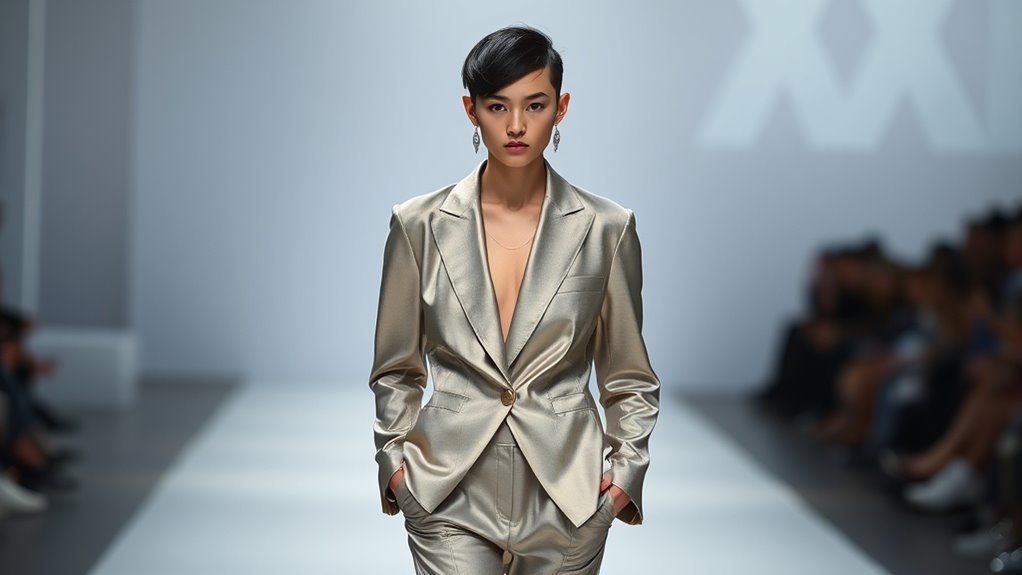
You can see how androgynous style icons challenge traditional gender boundaries and inspire new looks. Avant-garde fashion pioneers push creative limits to promote fluidity on and off the runway. Unisex brand initiatives further break down barriers, making gender-neutral options more accessible to everyone. Embracing biodiversity in fashion design encourages diverse expressions and promotes sustainability in the industry.
Androgynous Style Icons
Emerging as powerful symbols of gender fluidity, androgynous style icons have challenged traditional fashion norms through their bold expressions of identity. They inspire you to explore gender identity beyond binaries, often using fashion as a form of activism. These icons blur lines between masculine and feminine, encouraging self-expression and authenticity. Their influence fosters a culture where fluidity isn’t just accepted but celebrated. The following table highlights key figures and movements promoting this shift:
| Icon/Movement | Contribution | Impact |
|---|---|---|
| David Bowie | Challenged gender norms with androgyny | Inspired gender exploration |
| LGBTQ+ Movements | Advocated for gender diversity | Pushed for inclusive fashion |
| Gender-Nonconforming Icons | Emphasized fashion activism | Elevated visibility of fluid identities |
Additionally, understanding the history of gender expression in fashion reveals how societal perceptions have evolved to embrace diversity and fluidity. Recognizing the role of fashion activism in shaping social change underscores the importance of these movements in normalizing fluid identities. Moreover, cultural shifts continue to influence how gender fluidity is represented and accepted in mainstream fashion. These ongoing changes are often influenced by broader social movements advocating for equality and acceptance. An awareness of fashion history can deepen appreciation for current trends and ongoing progress toward inclusivity.
Avant-Garde Fashion Pioneers
Avant-garde fashion pioneers have revolutionized the industry by pushing boundaries and redefining conventional notions of gender and identity. They challenge norms by integrating innovative designs that emphasize fluidity, often utilizing sustainable fabrics to promote environmental consciousness.
These designers draw heavily on cultural influences, blending traditional motifs with contemporary silhouettes to create bold statements. Their work encourages you to see fashion as a form of self-expression beyond binary labels, fostering inclusivity.
By experimenting with unconventional shapes and textures, they break free from rigid gender roles. Their pioneering spirit inspires you to embrace diversity, making gender fluidity not just a trend but a powerful movement rooted in sustainability and cultural richness.
These innovators continue to shape a more open, expressive future for fashion.
Unisex Brand Initiatives
Have you noticed how several brands are championing gender-neutral designs to challenge traditional fashion norms? These unisex brand initiatives focus on creating inclusive, versatile clothing lines that appeal to all genders.
Key designers are adopting gender-neutral marketing strategies to promote fluidity and break down stereotypes. Brands like Telfar, Palomo Spain, and Gucci lead the way with collections emphasizing unisex clothing lines that prioritize comfort and self-expression over gender labels. Additionally, the rise of gender-neutral fashion demonstrates a shift toward more inclusive and expressive styles that defy binary conventions.
This movement is further supported by inclusive design principles, which aim to create clothing that is accessible and comfortable for diverse body types and identities. These efforts not only reshape industry standards but also encourage consumers to embrace their individuality without conforming to binary expectations. By focusing on unisex designs and inclusive messaging, these brands are redefining fashion as a space for everyone, fostering a more equitable and expressive environment for gender fluidity.
Popular Styles and Iconic Fashion Statements
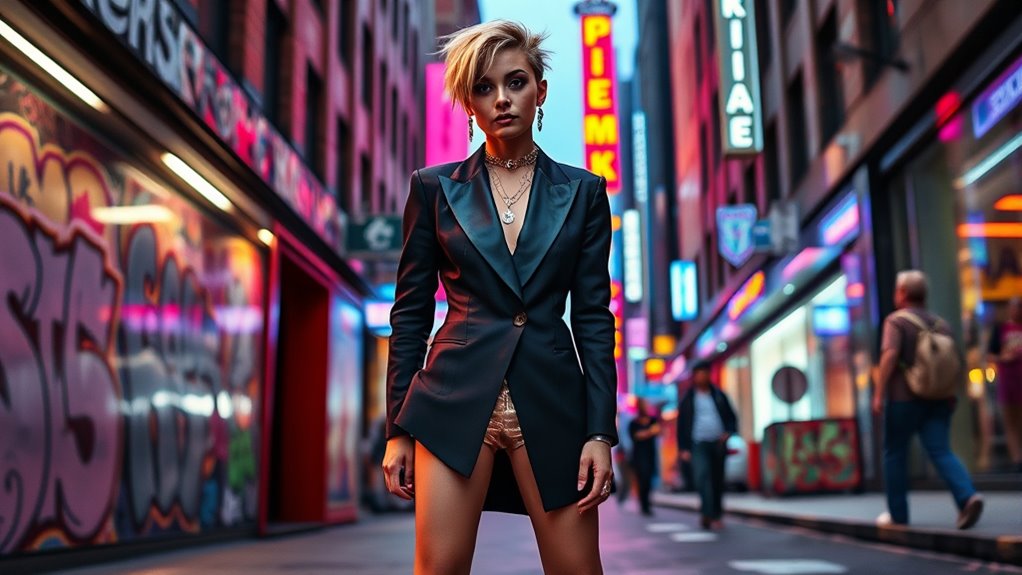
You’ve probably noticed that androgynous icons like David Bowie and Prince have shaped how we see gender in fashion. Gender-neutral staples, such as tailored blazers and simple tees, make it easier to express fluid identities. These styles challenge traditional boundaries and inspire bold, inclusive fashion statements. As technology advances, automation in business is also influencing the fashion industry through innovative supply chain management and customization options. Additionally, the rise of vetted clothing brands for kids ensures that fashion choices remain safe and suitable for all gender expressions. Exploring vibe coding can further inspire designers to develop innovative, inclusive collections that resonate with diverse identities. Embracing these evolving trends highlights how technological innovation continues to empower more personalized and diverse fashion expressions for everyone. Furthermore, advancements in sustainable materials are encouraging brands to adopt eco-friendly practices that align with ethical fashion movements.
Androgynous Fashion Icons
Throughout fashion history, certain icons have challenged traditional gender norms by embracing and promoting androgynous styles that blur the lines between male and female aesthetics. These androgynous fashion icons use their bold choices as a form of fashion activism, encouraging others to explore gender identity beyond binary labels. Incorporating targeted messaging into their public personas, they effectively communicate their stance on gender fluidity and self-expression. Think of figures like David Bowie, whose gender-fluid personas broke conventions, or Tilda Swinton, known for her androgynous elegance. These icons demonstrate that fashion can be a powerful tool for self-expression and societal change, often inspiring a supportive environment for personal growth and acceptance. By embracing diverse styles, they also exemplify how life-changing quotes can motivate individuals to challenge societal norms and pursue authentic self-identities. Recognizing the importance of gender expression in fashion, they continue to influence emerging trends that promote inclusivity and acceptance, highlighting the role of fashion activism in shaping cultural conversations.
Gender-Neutral Wardrobe Staples
Gender-neutral wardrobe staples have gained popularity because they offer versatile, timeless options that suit a variety of styles and identities. Think simple, clean silhouettes that can be easily mixed and matched. A new approach to self-awareness and personal growth can be incorporated by exploring personality test insights to better understand your unique style preferences.
Color blocking is a popular technique, allowing you to combine bold or muted hues for a modern look that defies traditional gender norms.
Fabric mixing also plays a key role, as pairing different textures like smooth cotton with rougher denim creates visual interest and a personalized touch.
These staples emphasize comfort and functionality while remaining stylish, making them perfect for expressing your individuality.
Challenges and Misconceptions Surrounding Gender Fluidity

Despite growing acceptance, gender fluidity still faces significant challenges and misconceptions that hinder broader understanding and acceptance. Many people cling to traditional gender stereotypes, believing that clothing must fit specific gender roles.
Society often resists change, viewing gender fluid fashion as unconventional or provocative. This societal resistance can lead to judgment, misunderstanding, and even discrimination against those expressing their gender identity through clothing.
Some assume that gender fluidity is a phase or a form of rebellion rather than a valid identity. These misconceptions make it harder for individuals to feel comfortable exploring or embracing gender-fluid fashion openly.
Overcoming these obstacles requires education and a shift in societal attitudes toward recognizing gender as a spectrum rather than a rigid binary.
How Brands Are Embracing Inclusive Fashion
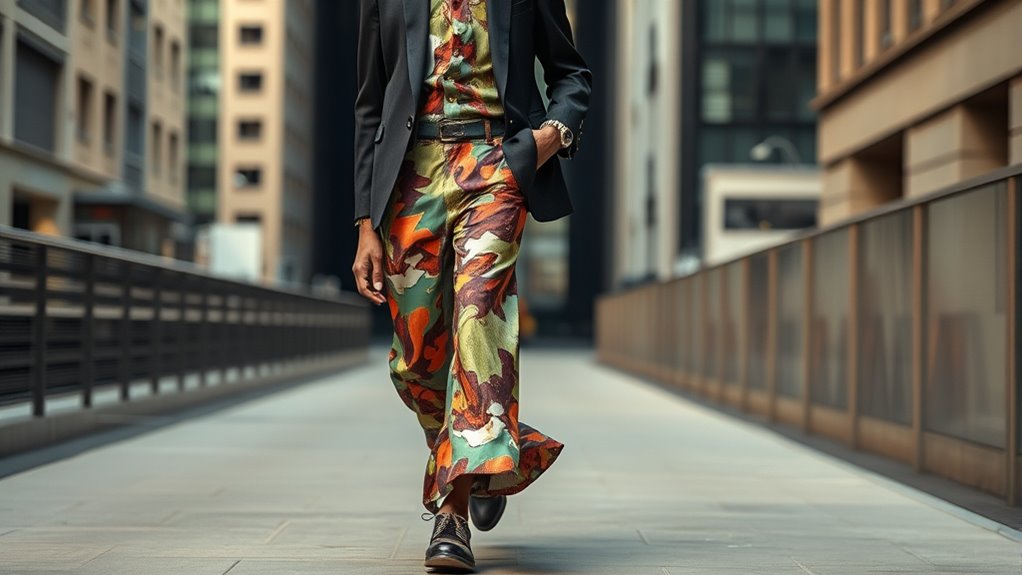
As societal attitudes shift toward greater acceptance of gender fluidity, many brands are actively redefining fashion to be more inclusive. They’re doing this by adopting innovative approaches, such as:
- Showcasing collections through digital runway shows that emphasize diversity and accessibility.
- Using sustainable fabrics that promote eco-friendly practices and appeal to conscious consumers.
- Designing gender-neutral clothing lines that break traditional boundaries and encourage self-expression.
- Collaborating with diverse models and influencers to reflect real-world identities and challenge stereotypes.
These strategies help brands create a more inclusive fashion landscape, making style accessible to everyone regardless of gender.
The Future of Gender Expression in Style
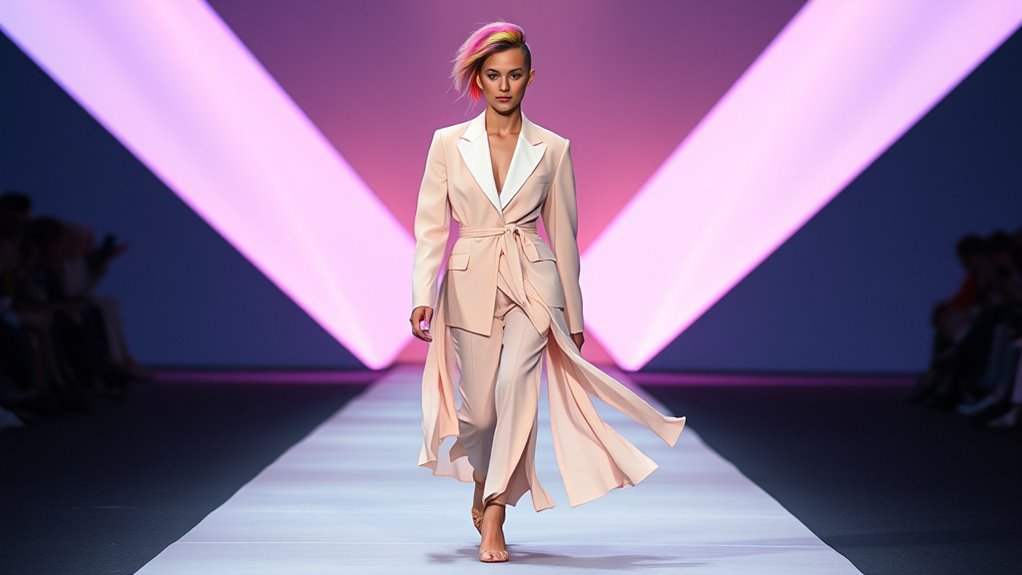
The future of gender expression in style is poised to become more dynamic and personalized, as technology and cultural shifts continue to break down traditional boundaries.
You’ll see fashion increasingly influenced by diverse cultural influences, blending elements from different backgrounds to create unique looks that defy gender norms.
Technological innovations like augmented reality and AI-driven design empower you to experiment with styles tailored to your identity, making self-expression more accessible.
As society embraces fluidity, brands will prioritize inclusivity, offering customizable options that reflect individual preferences.
This evolving landscape encourages you to explore your identity freely, blending traditionally gendered styles into new, authentic forms.
Ultimately, the future of style will celebrate diversity, empowering you to define your gender expression without limits.
Frequently Asked Questions
How Do Cultural Differences Influence Gender Fluid Fashion Globally?
Cultural differences shape how you perceive and adopt gender fluid fashion worldwide, as cultural identity influences style choices. In some regions, tradition and norms may resist gender fluidity, while others embrace it through fashion globalization.
You might find that local customs, values, and history impact how openly gender fluid styles are expressed and accepted, creating a diverse global landscape where fashion becomes a reflection of unique cultural identities.
What Psychological Impacts Does Gender Fluid Fashion Have on Individuals?
Did you know that 65% of gender fluid individuals report feeling more confident after embracing their style?
Gender fluid fashion markedly boosts your psychological well-being by fostering identity affirmation and encouraging authentic self-expression. When you wear what truly represents you, it reduces gender dysphoria and enhances self-esteem.
This empowering choice helps you feel more comfortable in your skin, promoting mental health and a sense of freedom to express your unique identity.
Are There Specific Age Groups More Receptive to Gender-Neutral Clothing?
You’re more likely to find teens embracing gender-neutral clothing, as they often seek to express individuality and challenge norms through teen fashion.
Younger generations tend to be more receptive, feeling comfortable experimenting with styles that break traditional gender roles.
Seniors, on the other hand, may lean toward traditional senior style, but some are increasingly open to gender-fluid fashion, reflecting evolving attitudes toward self-expression at any age.
How Does Gender Fluid Fashion Affect Traditional Retail Business Models?
Gender fluid fashion challenges traditional retail business models by prompting you to rethink retail inventory and marketing strategies.
As consumers seek more inclusive options, you’ll need to diversify your inventory to include gender-neutral clothing and adapt your marketing to appeal to a broader audience.
This shift encourages you to focus on inclusivity, which can boost sales and brand loyalty, ultimately transforming how you approach retail operations.
What Role Does Social Media Play in Popularizing Gender-Fluid Styles?
Social media acts like a powerful wave, rapidly spreading viral trends and influencing what you see as stylish. Influencers play a critical role, showcasing gender-fluid styles that challenge norms and inspire followers.
For example, when a popular influencer posts wearing gender-neutral outfits, it sparks conversations and encourages others to experiment. Social platforms amplify these styles, making gender-fluid fashion more mainstream and accessible, shaping your perception of what’s fashionable today.
Conclusion
As you embrace gender fluid fashion, remember it’s not just a trend but a revolution that invites you to rewrite the rules. Think of fashion as a blank canvas—your expression, the vibrant colors. By breaking free from traditional norms, you become the artist of your own identity. So, step boldly into this world of limitless possibilities, where style knows no boundaries, and let your fashion choices tell your unique story.