
TL;DR

Turn your wind-down time into listening time
- Thousands of audiobooks, podcasts and originals
- Listen on your phone, tablet or Echo — also offline
- Cancel anytime
Manila has expanded free access to doxycycline in response to a surge in leptospirosis cases. The move aims to control the outbreak, but the full scope of the response remains unclear. The development underscores the health authorities’ urgent response to rising infections.
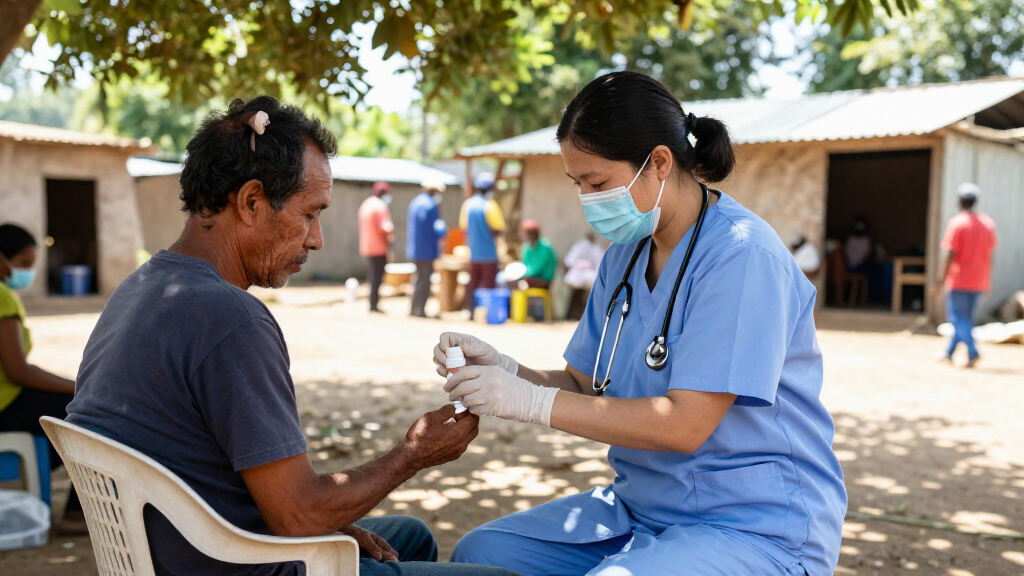
Manila has expanded its free distribution of doxycycline, a medication used to prevent and treat leptospirosis, as the city faces a significant increase in cases of the bacterial disease. The move, confirmed by local health officials, aims to curb the outbreak and reduce hospitalizations. This development highlights the urgent public health response to a disease that has been spreading rapidly in flood-prone areas of the city.
According to the Manila Department of Health, the initiative to increase free doxycycline access began earlier this week, following reports of a surge in leptospirosis cases. The city has allocated additional resources to distribute the medication at health centers and through mobile clinics in affected districts. Officials have not specified the exact number of additional doses made available but emphasized that the program is now nationwide within Manila’s jurisdiction.
Leptospirosis is a bacterial infection transmitted primarily through contact with water contaminated by the urine of infected animals, often during flooding or heavy rains. The Philippines, especially Manila, has seen an uptick in cases during the current rainy season, which has led to widespread flooding and increased exposure risks. The disease can cause symptoms ranging from mild fever to severe complications like kidney damage or meningitis, and in some cases, it can be fatal.
Health authorities have also issued advisories urging residents to avoid floodwaters, practice good hygiene, and seek immediate medical attention if symptoms appear. The expanded doxycycline program is part of a broader strategy that includes public education, sanitation efforts, and increased surveillance.
Implications of Increased Doxycycline Distribution in Manila
The decision to expand free doxycycline access signifies a proactive effort by Manila’s health authorities to control a rising leptospirosis outbreak, which poses a serious public health risk. By providing medication early, officials hope to reduce the severity of infections and prevent fatalities. This response may serve as a model for other flood-prone urban areas facing similar outbreaks, emphasizing the importance of rapid medical intervention in infectious disease control.
However, experts caution that widespread antibiotic use must be carefully managed to prevent resistance. The effectiveness of mass distribution also depends on public compliance and awareness campaigns. The development underscores the need for integrated approaches combining medication, sanitation, and community engagement to effectively address leptospirosis outbreaks.
Products Worth Considering

Levoit Vital 100S-P Air Purifier with Washable Pre-Filter

Garmin Forerunner 165 GPS Running Smartwatch, 43 mm, Black

Coway Airmega 250 Air Purifier for Large Rooms
As an affiliate, we earn on qualifying purchases.
Leptospirosis Surge and Manila’s Public Health Response
Leptospirosis has historically been a recurring health concern in the Philippines, especially during the rainy season when flooding is common. In recent weeks, Manila has reported a significant increase in cases, with local hospitals experiencing higher patient loads. The surge is attributed to intensified flooding, inadequate sanitation, and increased contact with contaminated water.
Previous outbreaks prompted health authorities to implement targeted health advisories and treatment protocols, but the current spike has prompted more urgent measures. The use of doxycycline as a preventive and early treatment option is supported by medical guidelines, but expanding access at a citywide level is a relatively recent development.
There is no official data yet on the total number of cases or fatalities linked to this surge, but local reports indicate a notable rise compared to previous months. The response by Manila’s government reflects a recognition of the escalating threat posed by leptospirosis during the ongoing rainy season.
Unclear Scope and Effectiveness of the Doxycycline Program
It is not yet confirmed how many residents have received doxycycline through the expanded program, nor how effective the initiative has been in reducing case severity or fatalities. Details on the logistics, coverage, and public compliance remain limited. Additionally, the potential for antibiotic resistance from mass distribution is still under assessment by health experts.
Further data from local health authorities is expected in the coming weeks, but currently, the full impact of the measure is uncertain.
Monitoring and Evaluating the Outbreak Response
Health officials plan to monitor leptospirosis case numbers closely over the coming months to assess the impact of the expanded doxycycline access. Additional measures, including sanitation campaigns and public education, are expected to continue alongside medication distribution. Officials also anticipate releasing detailed data on case trends and program effectiveness in the near future.
Researchers and public health experts will likely evaluate the program’s success and potential for replication in other flood-prone urban areas facing similar outbreaks.
Key Questions
How is doxycycline used to prevent leptospirosis?
Doxycycline is an antibiotic used both as a treatment and a preventive measure for leptospirosis, especially in high-risk populations exposed to contaminated water. When taken early, it can reduce the risk of developing severe symptoms.
Who is eligible to receive free doxycycline in Manila?
Residents of Manila, particularly those in flood-prone or affected districts, are eligible to access free doxycycline through local health centers and mobile clinics as part of the city’s outbreak response.
Are there risks associated with mass antibiotic distribution?
Yes, widespread use of antibiotics like doxycycline can contribute to antibiotic resistance if not carefully managed. Health officials emphasize the importance of medical guidance and targeted use to minimize this risk.
What other measures are being taken to control leptospirosis in Manila?
In addition to medication distribution, authorities are promoting sanitation improvements, public awareness campaigns, and advising residents to avoid floodwaters and practice good hygiene to prevent infection.
When will more data on the outbreak and response be available?
Local health authorities have indicated that detailed updates on case numbers, program impact, and future plans are expected in the coming weeks as monitoring continues.
Source: local