To get the best results with bonnet dryers for natural hair, a proper fit is essential. Make sure your bonnet isn’t too tight or loose by measuring your head, checking comfort around your ears and forehead, and adjusting straps for a snug but comfortable feel. This helps prevent uneven heat, longer drying times, and hair damage. To learn more about perfecting your fit and protecting your natural curls, keep going.
Key Takeaways
- Ensure the bonnet fits snugly without being tight to evenly distribute heat and prevent slipping during drying.
- Measure head circumference accurately to select the right bonnet size for natural hair comfort and effective coverage.
- Adjust straps and padding to achieve a secure, comfortable fit that accommodates various hair textures and head sizes.
- Check for proper compatibility with your dryer’s fittings to maintain stability and optimal heat delivery.
- Test fit by wearing the bonnet and moving gently to confirm it stays secure without discomfort or shifting.
Why Proper Bonnet Dryer Fit Matters for Your Hair
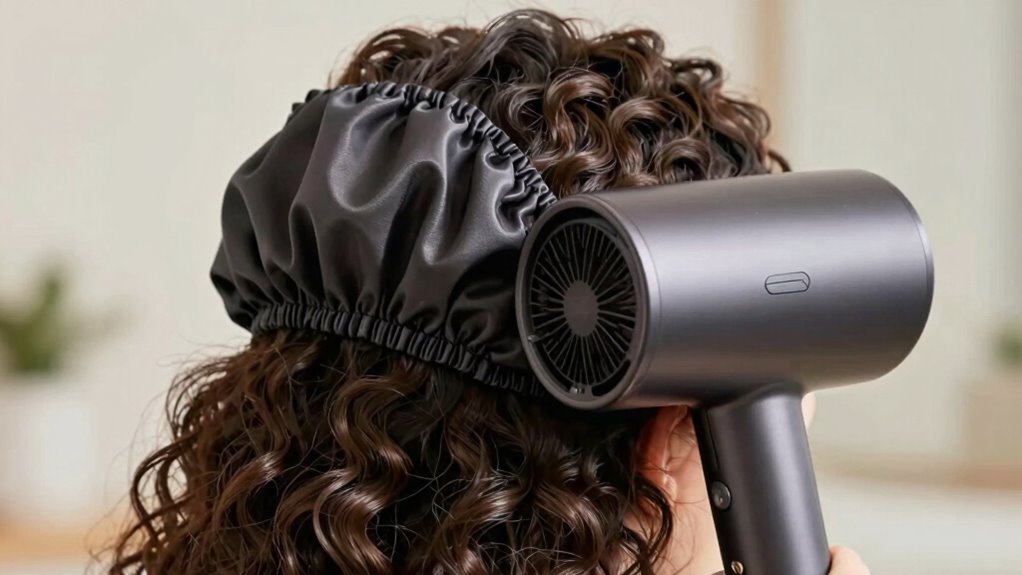
A proper fit for your bonnet dryer is essential because an ill-fitting cap can cause uneven heat distribution and unnecessary tension on your hair and scalp. When the bonnet fit isn’t right, you might experience discomfort during your drying sessions, affecting overall dryer comfort. A snug, well-fitting bonnet ensures consistent heat delivery, helping your hair dry evenly without hot spots or cold areas. It also prevents the cap from slipping or shifting, which can cause frustration and disrupt your routine. Comfort plays a key role in maintaining a positive drying experience, encouraging you to use your bonnet dryer regularly. When your bonnet fits properly, you enjoy better heat control and a more comfortable, efficient drying process—both vital for natural hair care. Proper fit adjustment can also extend the lifespan of your bonnet, making your investment last longer. Additionally, a well-fitted bonnet can improve heat retention, enhancing drying efficiency and protecting your hair from damage. Ensuring your bonnet has the right size and shape can further optimize your overall drying experience. Paying attention to bonnet material and construction can also influence how well it retains heat and fits comfortably.
Know Your Hair: What Your Natural Hair Needs

Understanding your hair’s porosity and texture helps you choose the right drying method. When you know how your hair absorbs moisture and its curl pattern, you can prevent damage and boost its health. Recognizing these traits is key to keeping your natural hair thriving. Using appropriate drying tools can further enhance your hair care routine and maintain your hair’s natural beauty. Additionally, understanding water absorption can guide you in selecting the most effective drying techniques for your hair type. For example, knowing your hair’s porosity level helps determine whether to use heat or air drying methods to minimize damage and retain moisture. Staying informed about AI jobs can also inspire innovative approaches to hair care technology and tools. Incorporating knowledge of Indonesian decor masks can inspire a unique aesthetic when designing a space that reflects your personality and cultural interests.
Understanding Hair Porosity
Knowing your hair’s porosity is essential because it determines how your strands absorb and retain moisture. Hair porosity refers to the hair’s ability to let moisture in and keep it there. If your hair has high porosity, it absorbs moisture quickly but may lose it just as fast, leading to dryness. Low porosity hair resists moisture absorption, often causing product buildup and slow drying times. Medium porosity is balanced, allowing for ideal moisture retention and ease of styling. Understanding your hair’s porosity helps you choose the right products and drying methods to maximize moisture retention. Regularly testing your hair’s porosity can guide you in selecting appropriate hair care routines that suit your specific needs. Knowing your porosity can also help you determine the best drying methods to maintain healthy, well-hydrated natural hair. Being aware of market research and emerging trends in hair care can help you stay informed about innovative products tailored for different porosity levels. For example, some bonnet dryers are designed specifically to cater to varying porosity types, promoting better moisture retention. Additionally, understanding your porosity can influence your choice of moisturizing products, ensuring your hair remains healthy and resilient. Whether you’re using bonnet dryers or air drying, knowing your porosity guides you in maintaining healthy, well-hydrated natural hair. It’s a vital step toward effective hair care.
Identifying Hair Texture
Your hair’s porosity offers insight into how it absorbs and retains moisture, but recognizing your hair’s texture reveals its natural pattern and curl type. To identify your texture, start by observing your curls when wet, noting if they are tight, loose, or wavy. Understanding your hair’s texture helps you choose appropriate detangling techniques, reducing breakage and maintaining health. Consider these factors:
- Curl tightness and pattern
- Strand thickness and density
- Response to water and product application
- Hair texture classification can assist in further understanding your unique hair type.
Additionally, your hair’s response to styling products can provide clues about its porosity, influencing how you care for and style your natural hair. Recognizing these details also aids in customizing your hair care routine for ideal results, especially when considering hair porosity and how it interacts with your texture. Being aware of your hair’s texture and porosity can help you optimize your bonnet dryer settings to achieve the best styling results without damage. For example, certain textures may require lower heat settings to prevent damage, which is particularly relevant when using bonnet dryers designed for natural hair.
What Features Make a Bonnet Dryer Comfortable and Effective
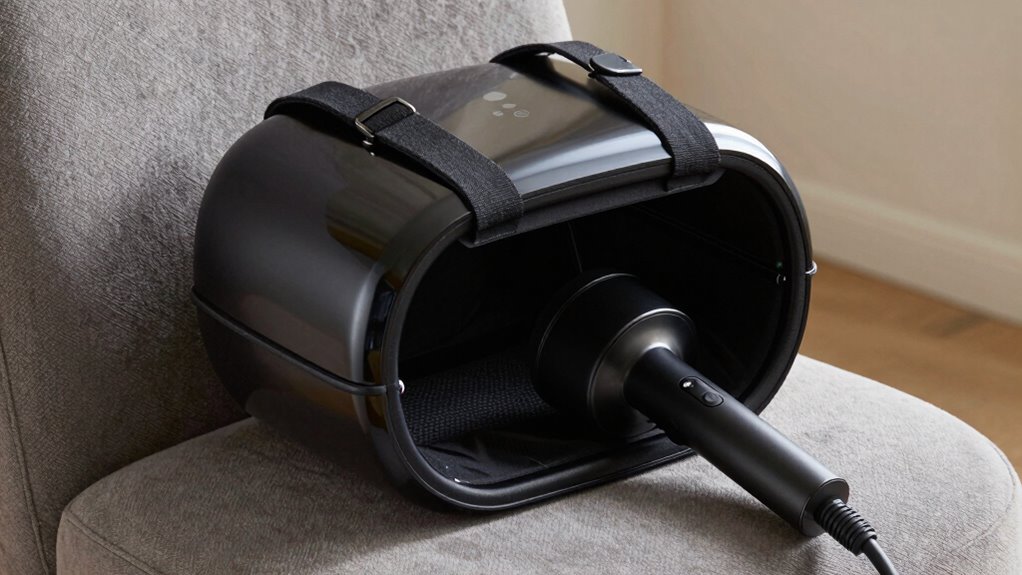
To get the most comfort and effectiveness from your bonnet dryer, look for models with adjustable heat settings so you can customize the temperature to your hair’s needs. A comfortable fit design guarantees the dryer stays in place without causing discomfort during extended use. These features help you achieve smooth, healthy results with ease. Incorporating air quality benefits features can also enhance your overall experience and hair health. Additionally, selecting a dryer with smart safety features can provide peace of mind by preventing overheating and ensuring safe operation. Understanding water park amenities can also help you choose a dryer that offers optimal moisture control for different hair types, especially when considering the diverse needs across global hair care practices. Considering support networks for new fathers can be beneficial if you’re balancing parenting with other responsibilities.
Adjustable Heat Settings
Adjustable heat settings are essential for making bonnet dryers both comfortable and effective because they allow you to customize the temperature based on your hair type and styling needs. With precise heat control, you can prevent heat damage and ensure your hair remains protected during drying. Features to look for include:
- Multiple heat levels for tailored heat application
- An easy-to-use control panel for quick adjustments
- Indicators that display current heat settings for safety
These features help you find the right balance between efficient drying and hair protection, reducing the risk of overexposure to heat. Additionally, understanding urban pursuits can help you choose a bonnet dryer that ensures even heat distribution for consistent results. By choosing a bonnet dryer with adjustable heat settings, you gain greater control, making your styling routine safer and more effective.
Comfortable Fit Design
A well-designed bonnet dryer should feel comfortable to wear for extended periods, preventing discomfort from tightness or pressure. The fabric material plays a crucial role; soft, breathable fabrics like satin or cotton reduce irritation and enhance comfort. Proper weight distribution ensures the dryer feels balanced, so it doesn’t cause strain on your head or neck. Look for adjustable straps and flexible edges that conform to your head shape.
| Feature | Benefit |
|---|---|
| Soft fabric material | Prevents skin irritation and enhances comfort |
| Balanced weight | Reduces pressure points and strain on your neck |
| Adjustable straps | Ensures a secure, customizable fit for all head sizes |
Perform a Fit Test at Home to Find the Right Dryer
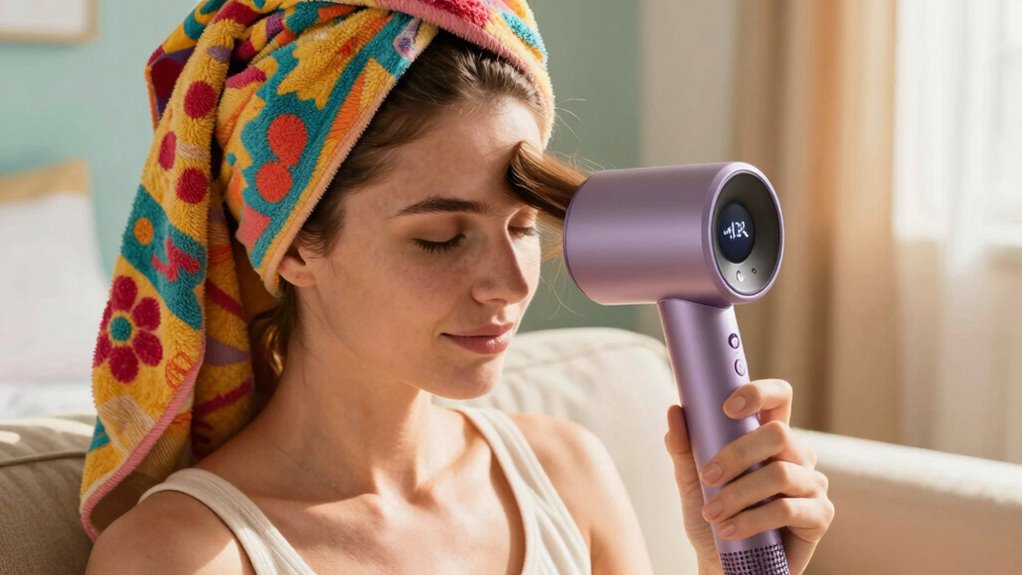
Wondering if your bonnet dryer fits comfortably and effectively? The best way to know is by performing a simple fit test at home. Start by measuring your head circumference accurately with a flexible tape; this guides your bonnet dryer sizing choice. Next, try on the bonnet dryer and check for:
- Comfort around your forehead and ears
- Secure but not tight fit
- Freedom of movement without slipping or discomfort
If it feels too tight or loose, consider adjusting or choosing a different size. Ensuring your bonnet dryer fits well prevents hair damage and enhances drying efficiency. Remember, a proper fit ensures even heat distribution, making your styling routine seamless and comfortable. Taking these steps helps you find the perfect bonnet dryer for natural hair.
Key Factors to Check During Your Fit Test
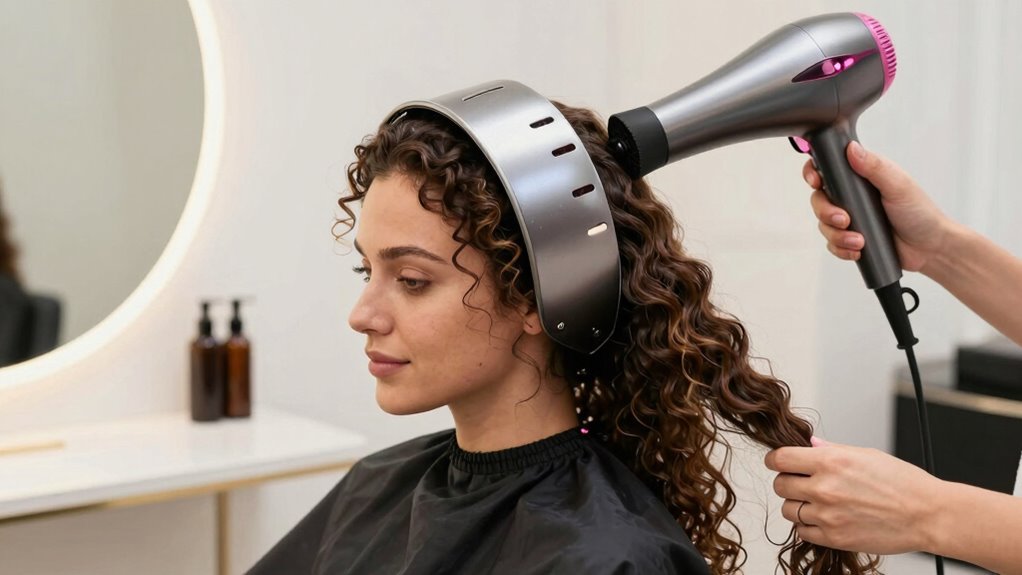
When performing your fit test, focus on several key factors to guarantee the bonnet dryer suits your needs. First, check bonnet compatibility by ensuring the dryer’s connections match your unit’s fittings. An incompatible fit can cause air leaks or poor performance. Next, pay attention to size measurement; the bonnet should comfortably cover your head without feeling tight or loose, allowing even heat distribution. Confirm the bonnet’s diameter and height suit your hairstyle and head size. Also, consider the flexibility of the fit—does it stay secure during use? A proper fit enhances efficiency and comfort. By carefully evaluating these factors, you assure your bonnet dryer provides ideal results and a smooth drying experience tailored to your natural hair needs.
Common Fit Problems and How They Affect Performance
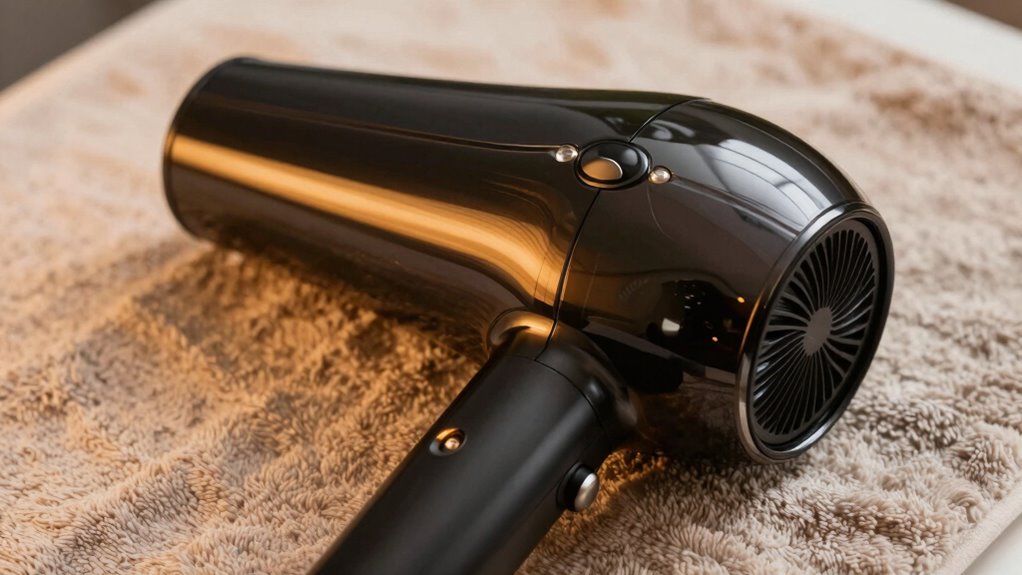
Poor fit problems in bonnet dryers can considerably reduce their performance and comfort. If the bonnet is too loose or tight, it won’t distribute heat evenly, leading to longer drying times and uneven results. Common issues include improper bonnet sizing and inadequate strap adjustments that don’t hold the dryer securely in place. These fit problems can cause discomfort and frustration during use. To improve fit and performance, consider:
- Ensuring the bonnet sizing matches your head circumference
- Adjusting straps for a snug, yet comfortable fit
- Checking that straps aren’t too tight, which can cause discomfort or restrict movement
Addressing these issues enhances heat distribution, shortens drying time, and boosts overall comfort. Proper strap adjustments and correct bonnet sizing are key to a successful drying experience.
Troubleshooting Fit Issues: What to Do When It Doesn’t Fit?
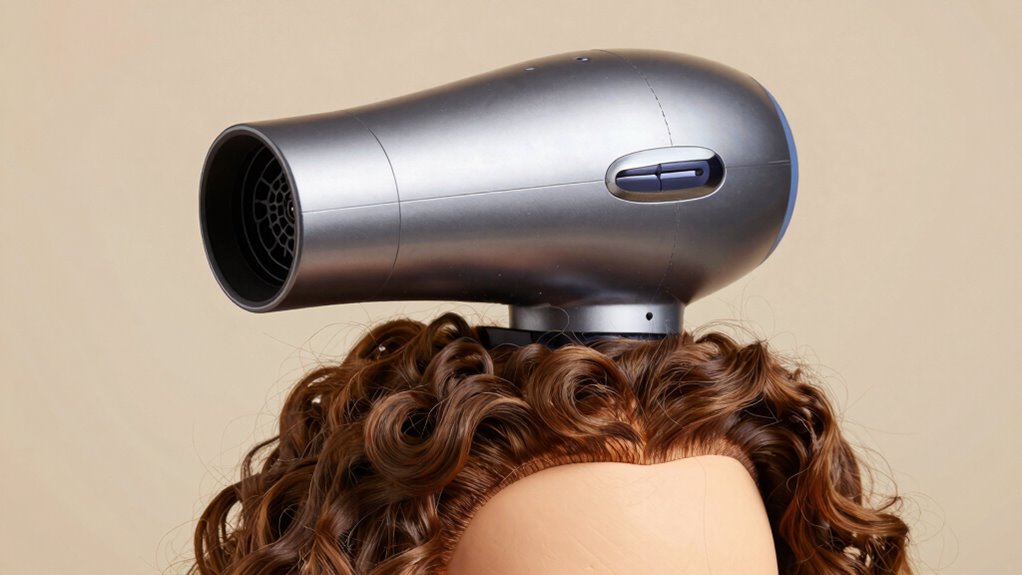
If your bonnet dryer doesn’t fit properly, it’s vital to identify the specific issue and take immediate steps to fix it. Start with simple fit troubleshooting by checking for obstructions or misaligned parts. Use adjustment techniques like tightening or loosening straps, repositioning the bonnet, or adjusting the headband to guarantee a snug fit. If the dryer feels too loose, consider adding padding or using a different headband to improve comfort and security. For fit issues caused by size differences, look for adjustable models or accessories designed to enhance fit. Remember, proper fit is essential for effective drying and comfort. By applying these adjustment techniques, you can resolve fit problems quickly and ensure your bonnet dryer performs at its best.
Tips to Adjust and Improve Your Bonnet Dryer’s Fit
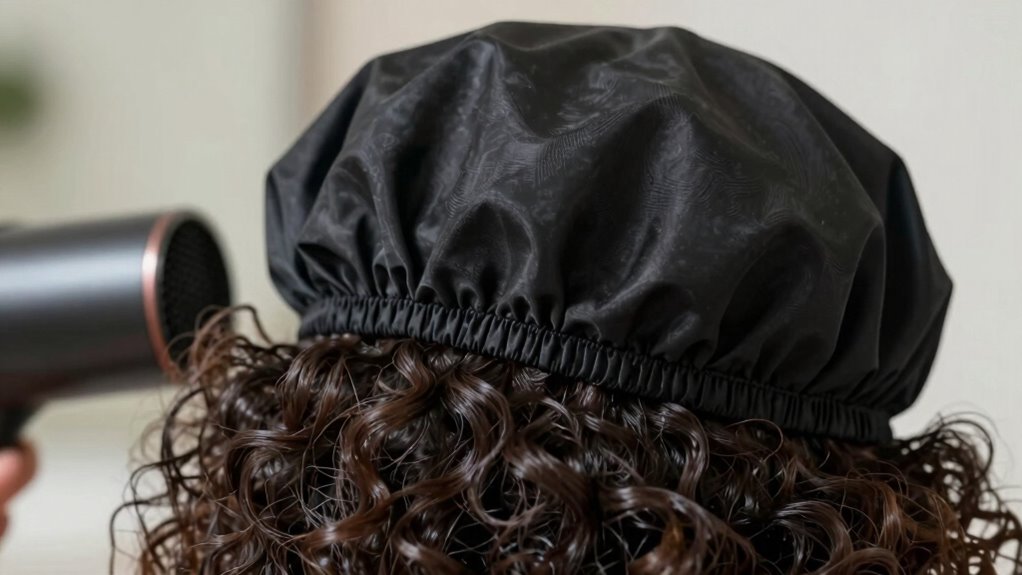
To guarantee your bonnet dryer fits comfortably and functions effectively, making simple adjustments can make a big difference. Ensuring proper bonnet compatibility boosts drying efficiency and prevents discomfort. Start by checking the strap tension; tighten or loosen as needed to secure a snug fit. Consider adding padding or using adjustable headbands for better comfort and seal. Additionally, verify the bonnet’s size and shape relative to your head to minimize gaps that hinder airflow.
- Use adjustable straps or clips for a secure fit
- Add soft padding to improve comfort and seal
- Opt for a bonnet shape that contours well to your head
Making these adjustments ensures your bonnet dryer maintains ideal bonnet compatibility, maximizing drying efficiency and reducing unnecessary heat loss. Small tweaks can notably improve your overall drying experience.
How a Good Fit Helps Keep Your Hair Healthy and Styled
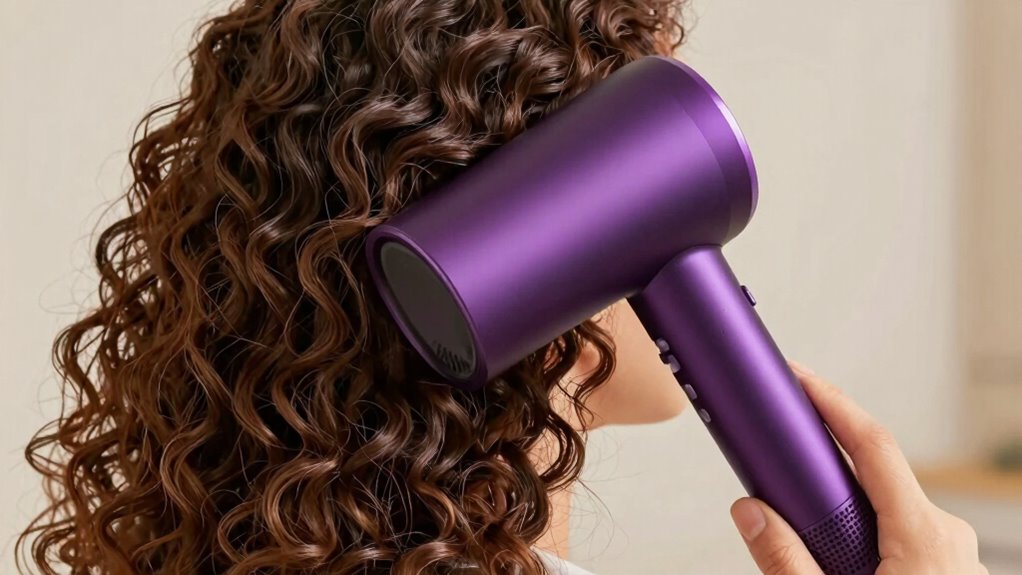
When your bonnet dryer fits well, it creates a secure seal that helps maintain consistent heat and airflow around your hair. This consistency prevents hot spots that can cause damage and ensures your hair stays protected and healthy. A proper fit also enhances bonnet dryer durability by reducing unnecessary strain on its components. When your dryer is secure, you can confidently use various styling techniques, knowing your hair receives even heat distribution. This control helps you achieve smooth, defined styles without overexposure to heat. Additionally, a good fit minimizes the need for frequent adjustments during drying, saving you time and effort. Ultimately, a well-fitting bonnet dryer promotes healthier hair, better styling results, and longer-lasting equipment.
Frequently Asked Questions
Can a Bonnet Dryer Be Used Safely on All Hair Types?
Yes, you can generally use a bonnet dryer safely on all hair types, but it depends on heat distribution and hair compatibility. If your dryer offers adjustable heat settings, you can customize the temperature to suit your hair’s needs, preventing damage. For natural or delicate hair, use lower heat to avoid over-drying. Always perform the fit test and monitor how your hair responds to guarantee safe, effective drying for your specific hair type.
How Often Should I Replace or Upgrade My Bonnet Dryer?
You should replace or upgrade your bonnet dryer every 1-3 years, depending on usage and wear. Frequent replacement guarantees peak performance and safety. Watch for upgrade indicators like declining heat distribution, persistent malfunctioning, or visible damage. If your dryer isn’t working efficiently despite repairs, it’s time for a new one. Regularly assess its condition to avoid risking damage to your hair or safety issues, and upgrade when performance no longer meets your needs.
Are There Specific Brands Known for Better Fit and Comfort?
You should look for brands that prioritize brand compatibility and comfort considerations. Popular options like Caprizi, Xtava, and Remington often offer better fit and comfort, making your experience more enjoyable. These brands design their bonnet dryers with adjustable straps and soft materials, ensuring a snug yet comfortable fit. Always check customer reviews to see how others find the fit and comfort, so you can choose a model that truly works for your natural hair needs.
What Materials Are Best for Bonnet Dryers to Ensure Durability?
You should look for bonnet dryers made from high-quality, heat-resistant plastics or durable metals, as they guarantee material durability and withstand frequent use. These materials also contribute to design longevity, preventing cracking or warping over time. Opt for brands that prioritize sturdy construction and reliable components, so your dryer stays effective and comfortable for years, even with regular use. This way, you’ll enjoy a long-lasting, dependable product that protects your natural hair.
How Does Bonnet Dryer Size Impact Energy Consumption?
Did you know that larger bonnet dryers can use up to 20% more energy? The size of your bonnet dryer directly impacts its energy efficiency and power consumption. Bigger models often require more power to operate, leading to higher energy bills. Choosing a size that fits your needs helps you save energy and reduces costs. Smaller, well-designed dryers can deliver effective drying without excessive power use, making them a smarter choice.
Conclusion
Getting the perfect fit for your bonnet dryer isn’t just about comfort — it’s your secret weapon for flawless, healthy curls. When it fits right, it’s like your hair gets a spa day every time, transforming your styling routine into a breeze. Don’t settle for less — a good fit keeps your hair happy, shiny, and protected from damage. Trust the fit test; it’s the game-changer that turns your hair goals into stunning reality.