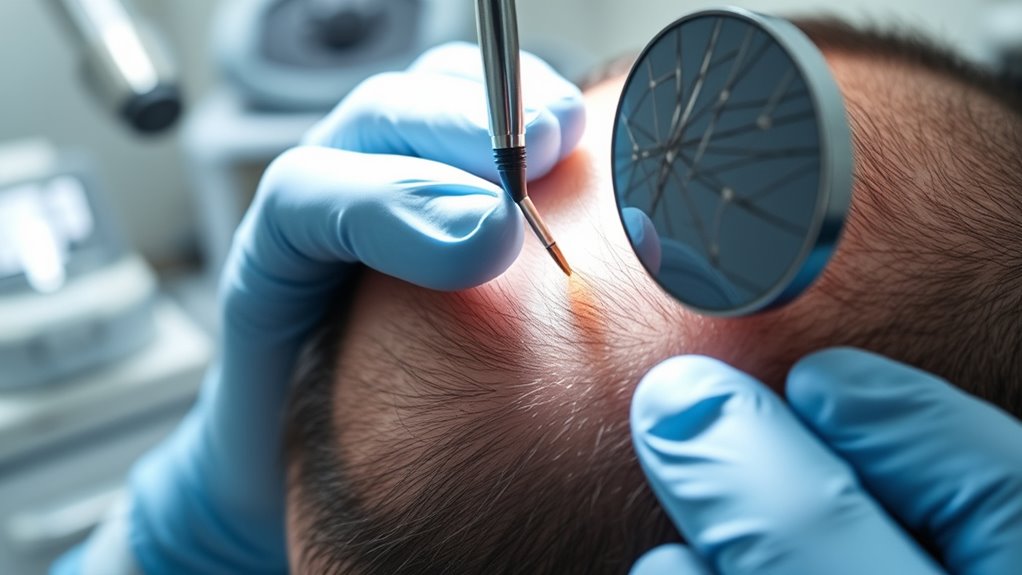

If you’re considering hair transplants and restoration options, several effective methods are available. Surgical procedures like follicular unit transplantation give natural results, while non-invasive options like scalp pigmentation can create a fuller look quickly. Advances such as hair cloning promise even more permanent solutions in the future. Understanding these choices helps you find the best fit for your needs. Keep exploring to discover more about each option and how they can restore your confidence.
Key Takeaways
- Hair transplants involve relocating hair follicles from a donor area to thinning or bald spots for natural-looking results.
- Non-surgical options like scalp pigmentation can create the illusion of fuller hair without surgery.
- Hair cloning is an emerging technology aiming to produce unlimited donor hair through lab-grown follicles.
- Choosing the right restoration method depends on individual needs, extent of hair loss, and desired permanence.
- Advances in both surgical and non-invasive treatments offer diverse solutions tailored to different types of hair loss.
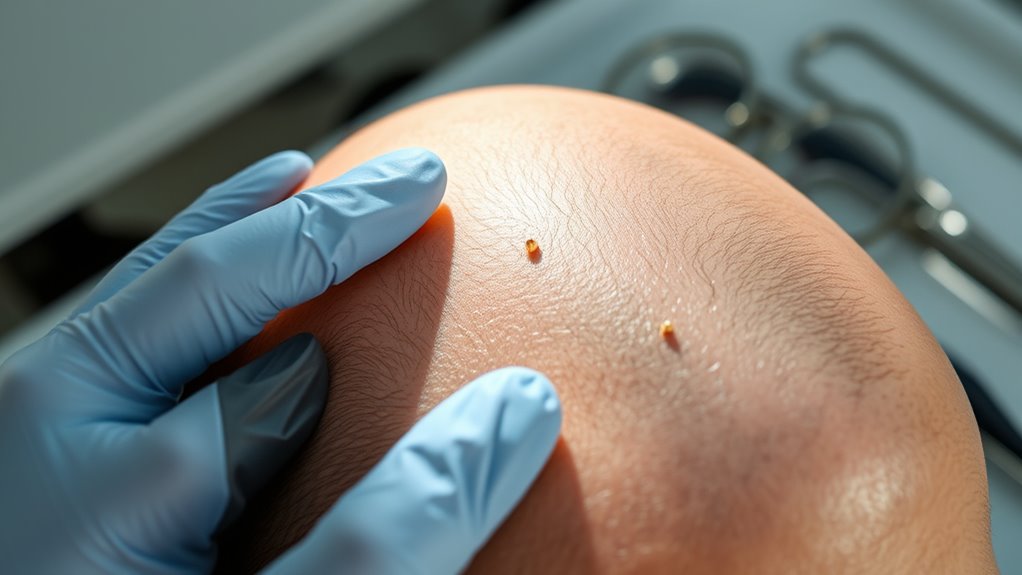
Hair loss can be a frustrating experience, but advancements in hair transplant and restoration techniques now offer effective solutions. If you’re exploring options, you might have come across innovative procedures like scalp pigmentation and hair cloning, which are changing the landscape of hair restoration. Scalp pigmentation involves tattooing tiny, pigment-filled dots on the scalp to mimic the appearance of hair follicles. It’s a non-invasive technique that can create the illusion of a fuller head of hair, especially for those who prefer a low-maintenance solution or aren’t suitable candidates for surgical transplants. This method is particularly effective for covering scars or adding density to thinning areas, blending seamlessly with your natural hair color and skin tone. It’s quick, relatively painless, and offers immediate visual results, making it an attractive option for many.
On the other hand, hair cloning is still in the developmental stage but holds promising potential for the future. It involves replicating your hair follicles in a lab setting, then transplanting them back onto your scalp. This approach aims to provide a nearly unlimited supply of donor hair, overcoming one of the main limitations of traditional transplants. If successful, hair cloning could revolutionize restoration by offering a permanent, natural-looking solution for extensive hair loss. While it’s not widely available yet, ongoing research continues to bring this technology closer to mainstream use, giving hope to those with severe hair thinning or balding patterns that can’t be addressed with current methods. Additionally, understanding the individual responses to different treatments can help tailor personalized solutions for each patient.
Frequently Asked Questions
What Are the Latest Advancements in Hair Transplant Technology?
The latest advancements in hair transplant tech include robotic automation, which makes the procedure more precise and less invasive, and platelet-rich plasma (PRP) therapy, which promotes faster healing and hair growth. You’ll notice improved natural results and quicker recovery times. These innovations help you achieve a fuller head of hair with less discomfort and better long-term success, making your restoration experience more effective and satisfying.
How Do I Determine if I’M a Good Candidate for a Hair Transplant?
You might be a good candidate if your scalp has good elasticity and your donor area offers dense hair. These factors are vital because they determine how well your scalp can handle the procedure and how much hair can be transplanted. Don’t wait until hair loss worsens; assess your scalp’s elasticity and donor density now. If these are favorable, you could be on your way to restoring your confidence and achieving natural results.
What Are the Potential Long-Term Side Effects of Hair Restoration Procedures?
Long-term side effects of hair restoration procedures can include scalp sensitivity and ongoing hair shedding. You might notice increased scalp tenderness or numbness that lasts for months, but it usually improves over time. Some individuals experience permanent hair shedding if the transplanted hair doesn’t take hold or if the scalp reacts negatively. To minimize risks, follow your doctor’s advice on aftercare and choose a qualified specialist for your procedure.
How Does Age Affect the Success Rate of Hair Transplants?
Age plays a significant role in transplant success factors. If you’re experiencing age-related hair loss, younger individuals often see better results because their hair loss tends to stabilize, making it easier to predict outcomes. Older patients might face a lower success rate due to ongoing hair loss, but a skilled surgeon can tailor treatments to maximize results. Ultimately, your age influences how well the transplant integrates and how natural the results appear.
Are Non-Surgical Hair Restoration Options as Effective as Transplants?
You might find it surprising, but non-surgical hair restoration options can be quite effective for natural regrowth and hair thickening. While they may not deliver the same dramatic results as transplants, treatments like medications, PRP, and laser therapy often boost your existing hair, making it appear fuller and healthier. If you’re seeking a less invasive approach that enhances your natural hair, these options could be a great fit.
Conclusion
Think of your hair journey as tending a garden. With patience, the right care, and expert guidance, you can nurture new growth and restore your confidence. Just like a garden flourishes with consistent attention, your hair can thrive again. Embrace the process, trust the professionals, and watch your confidence bloom anew. Remember, every garden starts with a single seed—your new hair can be the beginning of a brighter, more confident you.