
Heatless styling isn’t always gentle because improper techniques, excessive tension, or tight styles can cause breakage, stress, and damage similar to heat styling. Using too much friction or harsh tools may weaken your hair over time, especially if your hair is already damaged or chemically treated. Factors like environmental exposure and long wear also increase risks. To protect your hair, it’s important to understand how to style safely—continue exploring to learn how to keep your hair healthy.
Key Takeaways
- Improper tension or tight styles during heatless styling can cause breakage and stress on hair strands.
- Using harsh tools or products may damage hair cuticles, leading to weakened, brittle hair over time.
- Excessive friction from clothing or styling accessories can wear down the hair shaft.
- Over-manipulation or prolonged wear of styles increases mechanical stress and potential damage.
- Combining chemical treatments with heatless styles can compromise hair strength and cause breakage.
What Is Heatless Styling and How Does It Work?
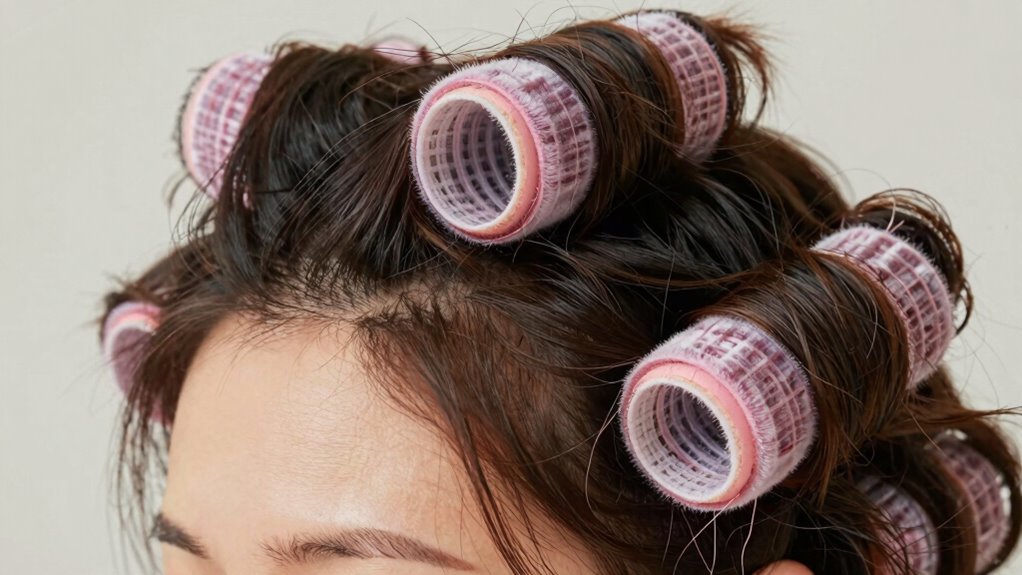
Have you ever wondered how to achieve beautiful curls or waves without damaging your hair with heat? Heatless styling offers a gentle alternative by using your hair’s natural texture and simple tools. Instead of curling irons or straighteners, you rely on techniques like braiding, twisting, or wrapping your hair around foam rollers or fabric strips. Styling products such as mousses or setting sprays help hold your style while enhancing your hair’s texture. These methods work by encouraging your hair to mold into waves or curls as it dries or sets over time. Since there’s no direct heat involved, your hair stays healthier and less prone to damage. Additionally, understanding the importance of hair health can help you choose the most suitable styling methods. Heatless styling empowers you to create versatile looks while maintaining the integrity of your hair.
Are Heatless Hairstyles Safe for Your Hair?
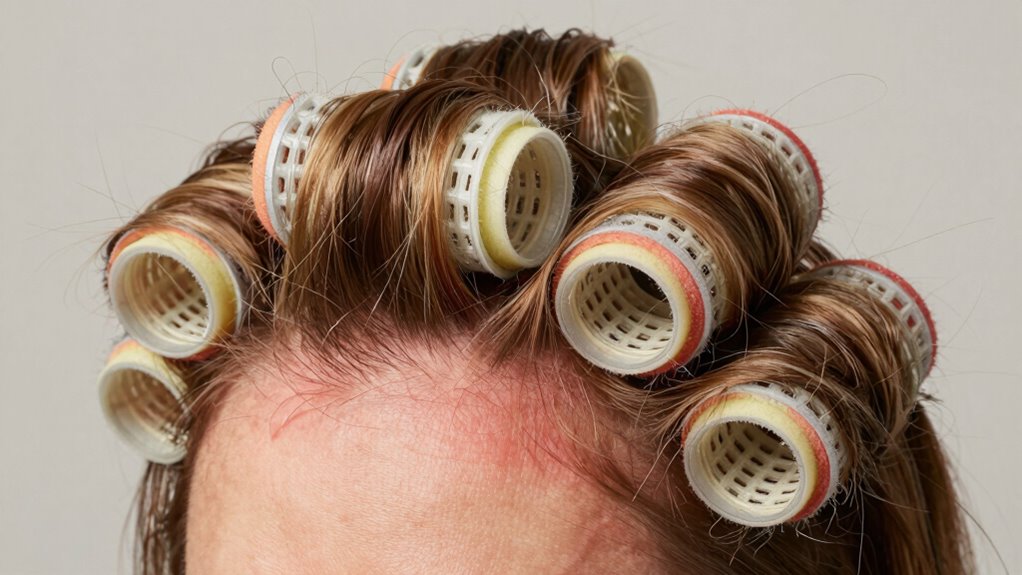
Heatless hairstyles are generally safe for your hair because they avoid the high temperatures that can cause damage and dryness. By steering clear of heat, you reduce the risk of weakening your hair strands and losing moisture, which supports better hair health. Additionally, using proper styling techniques helps ensure your hair remains healthy and undamaged. Proper tool selection and gentle handling can further minimize stress on your hair during styling. However, styling safety depends on proper technique and gentle handling. If you pull or tighten your hair too much, it can lead to breakage or scalp discomfort. Using the right tools and avoiding overly tight styles helps prevent unnecessary stress on your hair. While heatless methods are safer overall, it’s still important to be mindful of how you style and care for your hair to maintain its strength and health over time. Incorporating gentle handling practices can further protect your hair from damage during styling, especially when combined with natural hair care methods. Being aware of proper hair tension can also help prevent unnecessary strain and breakage.
Common Risks of Heatless Styling Techniques

Even without heat, styling methods can still cause damage to your hair. Improper techniques or excessive tension can lead to breakage and weaken your strands over time. It’s important to be aware of these risks to keep your hair healthy while trying new styles. Additionally, using the wrong tools or products can exacerbate damage and undermine your hair’s health. For instance, selecting appropriate styling tools designed for gentle handling can significantly reduce the risk of damage. Neglecting to use gentle exfoliation methods can result in the buildup of dead skin cells, negatively impacting scalp health and hair growth. Incorporating performance-oriented hair tools can also help minimize stress on your hair during styling. Being mindful of pet storm-anxiety routines can prevent inadvertent damage caused by sudden movements or stress.
Hair Damage Risks
While heatless styling methods are often gentler than using hot tools, they still carry the risk of damaging your hair. Chemical treatments like coloring or relaxing can weaken hair strands, making them more susceptible to damage from tight braids or rollers. Environmental factors such as sun exposure, wind, and pollution can also dry out or weaken your hair, increasing breakage risk. If you apply styling techniques too tightly or leave styles in for too long, you could cause stress on your hair cuticles, leading to damage over time. Even without heat, improper handling or combining styles with chemical treatments and environmental stressors can compromise your hair’s health. Being mindful of these risks helps you protect your hair while enjoying heatless styling options. Additionally, hair damage risks can be exacerbated by improper styling techniques and environmental exposure, emphasizing the importance of gentle handling and protective measures. Recognizing the impact of environmental stressors on hair health highlights the need for protective styling and proper hair care routines. Incorporating sustainable hair care practices can further help minimize damage and maintain healthy hair. Furthermore, choosing appropriate styling tools designed for gentle use can reduce the likelihood of damage during styling.
Breakage and Weakness
Despite avoiding direct heat, improper handling of heatless styling techniques can still lead to hair breakage and strand weakness. Tight elastics, harsh pins, or overnight styles that pull or tug can weaken your hair fibers over time. Repeated tension stresses the strands, making them more prone to snapping or splitting. If you’re not gentle when wrapping or securing your hair, you risk creating weak points that break easily. Over-manipulating your hair or using inappropriate tools can damage the cuticle, reducing overall strength. Understanding hair tensile strength can help you choose gentler styling methods. Incorporating proper tension management techniques can further minimize stress on your strands. Additionally, being aware of hair elasticity can guide you to avoid overstretching or over-manipulation. Recognizing strand resilience can help you select the most suitable styling approaches. To prevent this, opt for softer accessories and avoid excessive tension. Proper technique and gentle handling are key to maintaining healthy, resilient hair while enjoying heatless styling.
How Damage Can Occur Without Direct Heat

Even without direct heat, your hair can get damaged from constant friction, which wears down the cuticle over time. Overstretching your hair, like pulling it tight into styles, weakens strands and makes them more prone to breakage. Being mindful of these factors helps protect your hair’s health during heatless styling. Additionally, proper styling techniques can reduce unnecessary strain and prevent damage. Using gentle, appropriate tension during styling can further minimize stress on your hair fibers. Incorporating regional hair care practices can also enhance overall hair health and resilience. Paying attention to hair fiber integrity is essential for maintaining healthy, resilient hair during heatless styling routines. Recognizing the importance of scalp health can also contribute to overall hair strength and longevity.
Friction Friction Causes Damage
Friction from styling tools or clothing can damage your hair even without direct heat. Repeated rubbing or contact creates shear forces that weaken your hair cuticles, leading to increased porosity and changes in hair texture. Over time, this friction can cause roughness and split ends, especially if product buildup accumulates on your strands, making them more prone to damage. To illustrate, consider the following factors:
| Friction Type | Effect on Hair | Prevention Tips |
|---|---|---|
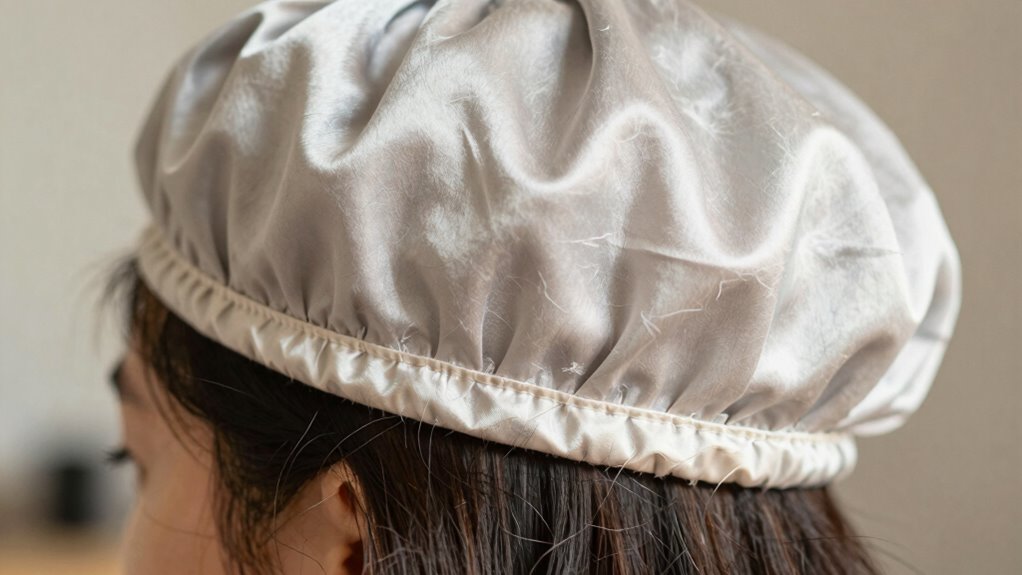
| Clothing | Causes tangling and breakage | Use silk or satin fabrics |
| Styling Tools | Creates shear stress, roughening hair | Opt for smooth, well-maintained tools |
| Product Buildup | Weighs down hair, reduces flexibility | Regular clarifying treatments |
Additionally, proper handling of hair during styling minimizes unnecessary friction and helps maintain its health and texture.
Overstretching Weakens Hair
Overstretching your hair during styling or detangling can weaken its structural integrity without any heat involved. When you pull or stretch your hair excessively, you strain its natural elasticity, making strands more prone to breakage. Over time, this damage can reduce your hair’s ability to bounce back, leaving it brittle and fragile. Additionally, overstretching can impact scalp health by causing tension and stress on the roots, potentially leading to scalp irritation or hair loss. To protect your hair, avoid pulling too tightly during styling and detangling. Focus on gentle handling to maintain hair elasticity and promote a healthier scalp. Recognizing the risks of overstretching helps you prevent damage and keeps your hair strong and resilient.
What Factors Make Heatless Styling Risky?
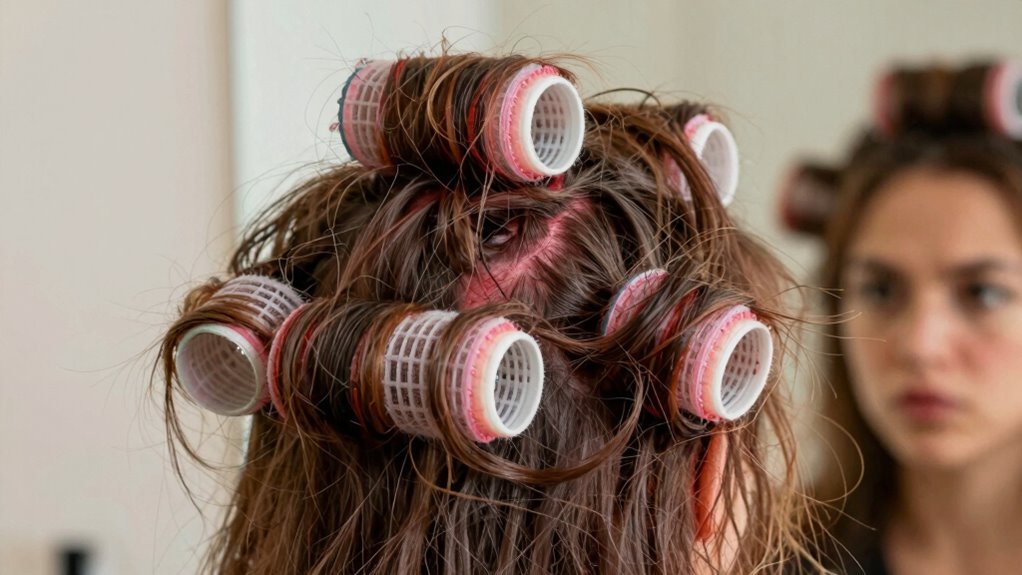
While heatless styling is generally gentler on your hair, several factors can still make the process risky. Chemical treatments, like coloring or relaxing, weaken hair strands, making them more susceptible to damage from tight or repeated styles. Environmental factors such as humidity, wind, and sun exposure can also compromise your hair’s health, causing frizz, dryness, or breakage. Additionally, using overly tight hair wraps or elastic bands can stress hair follicles and lead to hair loss or breakage over time. Poor scalp health or existing damage increases vulnerability to mechanical stress during styling. Being mindful of these factors helps you avoid unintended damage and keeps your hair healthier even when you choose heatless styling methods.
How to Recognize Damage From Heatless Hairstyles

Recognizing damage from heatless hairstyles starts with paying attention to how your hair feels and looks after styling. If your hair feels excessively dry, brittle, or rough, it could be a sign of compromised hair health. Look for damage signs like increased breakage, split ends, or a noticeable loss of shine. Tangles and frizz that persist even after brushing may also indicate weakened hair. Additionally, if your hair takes longer to recover or shows a dull, lifeless appearance, it’s a red flag. Consistent damage signs suggest your styling routine might be causing more harm than benefit. Being mindful of these indicators helps you catch early damage, so you can adjust your hair care routine and prevent further harm to your hair health.
Tips to Style Safely and Minimize Hair Damage

To style your hair safely and reduce the risk of damage, start by choosing gentle styling methods that don’t put excessive stress on your strands. Use lightweight, nourishing styling products that provide hold without buildup or stiffness. When selecting hair accessories, opt for soft fabric scrunchies or gentle clips that won’t tug or break your hair. Avoid tight elastics or metal clips, which can cause unnecessary tension. Be mindful of how long you keep certain styles in place—give your hair breaks between styling sessions. Also, avoid overusing styling products, as too much can weaken strands. Instead, focus on protective techniques like loose braids or buns that keep your hair secure without strain. These tips help maintain healthy hair while achieving your desired look.
Frequently Asked Questions
Can Heatless Styling Cause Long-Term Hair Damage?
Heatless styling can cause long-term hair damage if not done carefully. You might experience heat damage if you pull or twist your hair too tightly or use harsh products. Over time, this can weaken your hair, affecting its health and causing breakage. To protect your hair health, be gentle, avoid excessive tension, and use quality styling accessories. Proper technique guarantees your hair stays healthy and damage-free.
Are Some Hair Types More Vulnerable to Damage From Heatless Techniques?
Some hair types are more vulnerable to heatless damage, like delicate glass that shatters easily. If your hair has low elasticity, it’s prone to breakage when styled without heat, and scalp sensitivity can cause discomfort or damage during tight or prolonged styles. You should pay attention to your hair’s unique needs, adjusting techniques accordingly, to protect your strands and scalp from unnecessary stress and damage.
How Can I Tell if My Heatless Hairstyle Is Damaging My Hair?
You can tell if your heatless hairstyle is damaging your hair by paying attention to changes in hair elasticity and moisture retention. If your hair feels brittle, breaks easily, or loses its bounce, it’s a sign of damage. Also, notice if your hair becomes dry or dull despite proper moisturizing. Regularly evaluate how your hair responds after styling, and adjust your techniques to protect its health.
Are There Specific Products That Increase Risks During Heatless Styling?
Yes, certain products can increase risks during heatless styling. Using heavy styling creams or products that cause buildup can weigh down your hair and trap dirt, leading to damage over time. These products may also make your hair less flexible, increasing the risk of breakage or tangling. To protect your hair, opt for lightweight, non-comedogenic styling products and avoid excessive product use during heatless styling routines.
Do Heatless Styles Work Equally Well for All Hair Lengths and Textures?
Heatless styles don’t work equally well for all hair length and texture. If you have short hair, you might find some styles less effective or harder to hold. For those with curly or textured hair, certain methods may work better, but you might need to adjust techniques or products. Long hair can often hold styles longer, but it requires patience and proper wrapping. Tailor your approach to your specific hair length and texture for best results.
Conclusion
So, next time you’re tempted to skip the heat but still end up with straw-like strands, remember—heatless styling isn’t always a free pass to perfect hair. It’s almost like thinking you can skip the gym but still get abs. Sometimes, your hair’s just as tired of the drama as you are. So, go ahead, be gentle, and maybe think twice before risking a hair catastrophe—your locks will thank you for it.