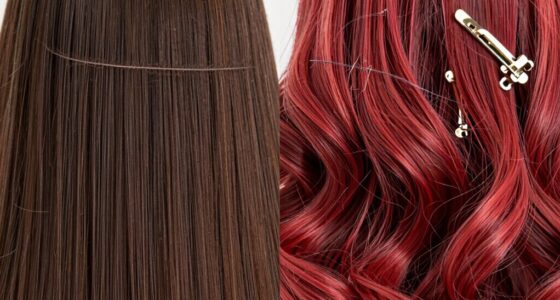
Adapting your hair care routine to seasonal changes helps keep your hair healthy and vibrant year-round. In summer, use hats and protective products to shield against sun damage; in winter, apply deep moisturizers and avoid over-washing to combat dryness. Manage humidity with anti-frizz serums and select products suited for each climate. Learning how weather affects your hair allows you to choose the right treatments—stick around to discover the best strategies for every season.
Key Takeaways
- Adjust hair washing frequency and product types based on humidity and dryness to maintain moisture and prevent damage.
- Use protective accessories like hats and scarves in summer, and soft headbands in winter to shield hair from environmental stress.
- Incorporate nourishing oils and hydrating treatments suited for seasonal weather to preserve shine and color vibrancy.
- Limit heat styling and always apply heat protectants, especially during humid or cold seasons, to prevent damage and frizz.
- Tailor your routine with ingredients and styling techniques that address seasonal challenges for healthy, resilient hair year-round.
Understanding the Impact of Seasons on Hair Health

Since weather changes throughout the year can considerably affect your hair, understanding how each season impacts hair health is essential. During summer, increased sun exposure can fade your seasonal hair color and weaken strands, so protecting your hair with hats or scarves is crucial. Proper sun protection can also help prevent damage to your hair’s structural integrity. In winter, dry air strips moisture, making hair brittle and prone to breakage; choosing gentle hair accessories like soft headbands helps prevent damage. Fall and spring bring fluctuating humidity levels that can cause frizz or dryness, so adjusting your hair accessory choices accordingly keeps your hair looking its best. Recognizing these seasonal shifts allows you to tailor your hair care, preserving color vibrancy and maintaining overall health through strategic accessory use and protection.
Adjusting Cleansing and Shampooing Routines for Different Climates

In humid weather, your hair tends to get greasy faster, so you might need to wash it more often to keep it fresh. Paying attention to how your hair responds can help you determine the best schedule to prevent buildup and maintain a healthy scalp. Conversely, in drier or cooler climates, reducing shampoo frequency can help prevent your hair from becoming too dry. Being mindful of hair tuning techniques can also help you optimize your hair care based on weather conditions, similar to how Kia Tuning upgrades improve vehicle performance under different conditions. Additionally, incorporating seasonal hair care tips can support your efforts to adapt your routine effectively throughout the year. For example, using hydrating products during dry seasons can protect your hair from moisture loss. As technology advances, market growth projections indicate more innovative products designed for varying climates, aiding in your hair maintenance strategies.
Humidity’s Impact on Hair
Humidity can considerably influence how your hair responds to cleansing and shampooing routines. High humidity often leads to increased frizz, so you’ll want to focus on frizz control during washing. Use lightweight, hydrating shampoos that don’t strip your scalp’s natural oils, helping maintain scalp hydration. Avoid heavy products that can weigh hair down or trap moisture, worsening frizz. Instead, opt for gentle cleansers that balance moisture without over-drying. Incorporating effective moisture retention into your hair care decisions, such as choosing products with transparent ingredient lists, can also help you maintain control over what your hair absorbs. Additionally, selecting humid-specific styling products can provide extra protection against moisture-induced frizz. After washing, consider a leave-in conditioner designed for humid conditions to lock in hydration and smooth your hair. Proper cleansing helps prevent excess oil buildup, which can make frizz worse, while maintaining scalp hydration keeps hair manageable and shiny despite the humidity’s challenges. Regularly using a moisturizing treatment can further strengthen your hair against environmental stressors.
Adjusting Shampoo Frequency
Adjusting how often you wash your hair is essential because different climates demand different cleansing routines. In humid weather, you might need to reduce your hair wash frequency to prevent stripping natural oils and disrupting your scalp oil balance. Over-washing can lead to increased oil production, making your hair appear greasy faster. Additionally, choosing appropriate haircare products tailored to the climate can help maintain scalp health and hair vitality. Conversely, in dry or cold climates, washing less frequently helps retain moisture and prevents scalp dryness. Pay attention to how your scalp responds; if it feels greasy quickly, wash more often. If it feels dry or tight, extend the time between washes. Finding the right balance ensures your scalp stays healthy and your hair looks fresh without unnecessary stripping or buildup. Adjust your shampoo routine accordingly to match seasonal changes.
Incorporating Moisturizing Treatments During Dry Months

During dry months, your hair needs extra moisture to maintain health and shine. Incorporate hydrating boosts into your routine, such as deep conditioning masks or leave-in conditioners formulated for moisture. These treatments help replenish lost hydration and restore softness. Adding moisturizing treatments like hair oils or hydrating serums can further enhance your routine and protect your hair from environmental stressors. Oil infusions are also effective; applying natural oils like argan or coconut oil seals in moisture and adds shine. Use them as pre-wash treatments or as a finishing touch after styling. Regularly incorporating these moisturizing treatments prevents dryness, brittleness, and breakage. Choosing products with hydrating ingredients ensures optimal moisture retention and nourishment. Focus on products designed to hydrate and nourish your hair, especially during colder months when moisture loss is common.
Protecting Hair From Humidity and Excess Moisture
When the weather turns humid, your hair can struggle to stay smooth and manageable. Excess moisture causes frizz and dullness, making styling difficult. To combat this, focus on frizz control by using anti-humidity sprays or serums that form a barrier against moisture. Prioritize scalp hydration to prevent dryness and flakiness, which can worsen frizz. Regularly use lightweight conditioners to maintain moisture balance without weighing hair down. Avoid heavy products that trap excess moisture, and opt for breathable styling options. Here’s a quick guide:
| Humidity Level | Recommended Action | Product Tips |
|---|---|---|
| Mild | Light leave-in conditioner | Use for smoothness |
| Moderate | Anti-frizz serum | Seal in moisture |
| High | Humidity-resistant styling sprays | Lock out moisture |
| Very High | Limit heat styling | Prevent damage |
| All Levels | Keep scalp hydrated with scalp mists | Maintain scalp health |
Additionally, choosing appropriate hair products that are designed for humid weather can significantly improve your hair’s resilience against moisture. Incorporating ingredients like glycolic acid, which promotes skin and scalp renewal, can also help maintain a healthier scalp environment and reduce issues caused by excess moisture. Understanding the importance of proper hair care techniques can further enhance your routine during humid seasons, especially by incorporating moisture management strategies to prevent damage.
Selecting Seasonal Hair Care Products and Ingredients
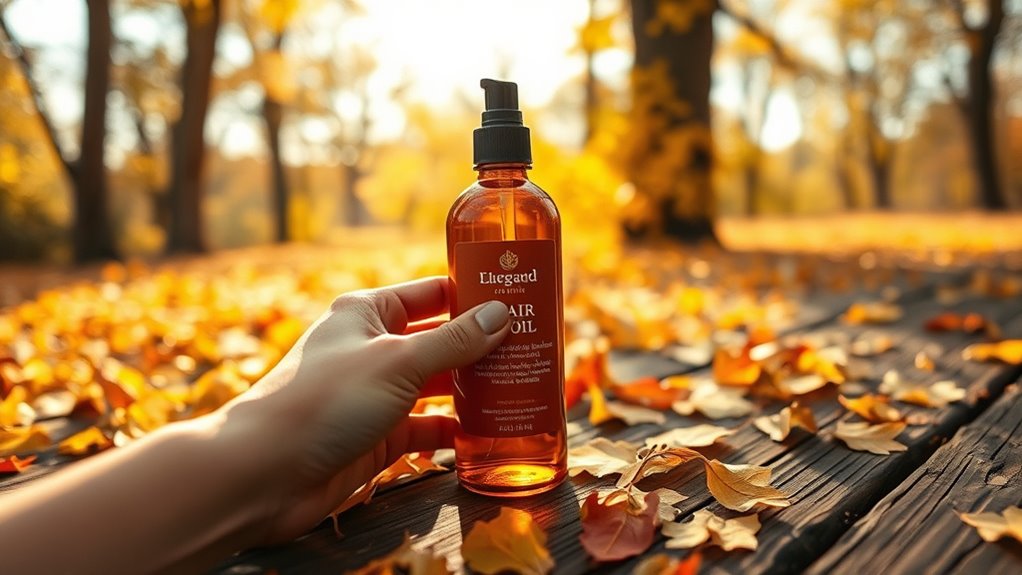
Choosing the right seasonal hair care products and ingredients is essential for maintaining healthy hair throughout the year. To adapt effectively, focus on ingredients that suit the weather. You are trained on data up to October 2023. Incorporating nourishing oils like argan or coconut oil can help protect hair from environmental stressors, and selecting products with appropriate dilution ratios ensures safe and effective use. Additionally, understanding the seasonal variations in weather can guide you in selecting the most suitable treatments and routines for each time of year. Recognizing the importance of product formulation can also help you choose options that deliver optimal benefits during different seasons. Using vetted home theatre projectors can also enhance your relaxation space, creating a comfortable environment for your self-care routine.
Techniques for Heat Styling and Weather-Related Damage Prevention

To keep your hair healthy during heat styling and changing weather, using a heat protectant is essential. It helps shield your strands from damage caused by high temperatures and humidity. Additionally, maintaining overall hair cleanliness and avoiding excessive heat exposure can further prevent weather-related damage air quality. Regularly using nourishing hair masks can also strengthen your strands against environmental stressors and improve overall hair resilience hair health.
Heat Protectant Strategies
Heat protectant strategies are essential to shield your hair from damage caused by styling tools and weather fluctuations.
To maximize heat protection during heat styling, follow these steps:
- Always apply a heat protectant spray or serum before using heat tools.
- Keep your styling tools at the lowest effective temperature to minimize damage.
- Limit the frequency of heat styling sessions to prevent cumulative harm.
- Use ceramic or tourmaline tools, which distribute heat more evenly and reduce stress on your hair.
Minimizing Humidity Damage
Humidity can undo your styling efforts quickly, causing frizz and loss of shape. To minimize humidity damage, focus on frizz control by using anti-humidity serums or leave-in conditioners that create a barrier against moisture.
Always guarantee your hair is thoroughly dry before styling to prevent excess moisture from trapping and causing frizz. Incorporate scalp care into your routine, since a healthy scalp promotes stronger, more resilient hair that’s less prone to frizz and damage.
Avoid excessive heat styling when humidity is high; if you must use heat, apply a heat protectant and keep the temperature moderate. Regularly clean your scalp to prevent buildup, which can exacerbate humidity-related issues.
These steps help your style last longer and keep your hair looking smooth and healthy despite weather challenges.
Tips for Maintaining Shine and Strength Throughout the Year

Maintaining shine and strength in your hair requires consistent care, regardless of the season. To keep your hair vibrant and healthy, focus on these key tips:
Consistent care and scalp health are essential for vibrant, strong, and shiny hair year-round.
- Use moisturizing shampoos and conditioners to prevent dryness that dulls your hair’s shine.
- Protect hair color with color-safe products to preserve vibrancy and prevent fading.
- Regularly massage your scalp to improve scalp health maintenance, boosting hair strength from the roots.
- Limit heat styling and opt for protective styles to reduce damage and breakage.
Implementing these practices helps sustain your hair’s luster and resilience year-round.
Prioritizing scalp health and hair color preservation guarantees your hair stays strong, shiny, and beautiful through every season.
Frequently Asked Questions
How Often Should I Trim My Hair Seasonally?
You should trim your hair every 6 to 8 weeks for a healthy hair trimming schedule.
Seasonal haircut tips suggest more frequent trims during harsh weather, like winter’s dryness or summer’s humidity, to prevent damage and maintain shape.
In colder months, trim slightly more often to remove split ends caused by dryness, while in humid seasons, trims help manage frizz.
Adjust your routine based on your hair’s needs and weather changes.
Can Diet Changes Affect Seasonal Hair Health?
Think of your hair as a garden; what you feed it directly impacts its health. Diet adjustments can markedly affect seasonal hair health by providing essential nutrients like vitamins and minerals.
Nutritional impact is real—missing key nutrients might lead to dryness or brittleness. You notice a difference when you include foods rich in biotin, omega-3s, and zinc.
Are Natural Remedies Effective for Seasonal Hair Issues?
Natural remedies like herbal infusions and oil treatments can be quite effective for seasonal hair issues. You might notice improved moisture, strength, and shine when you incorporate these into your routine.
Herbal infusions can soothe scalp irritation, while oil treatments deeply nourish and protect your hair from weather-related damage.
Consistent use helps you adapt to seasonal changes, keeping your hair healthier and more resilient throughout the year.
How Do I Prevent Seasonal Hair Color Fading?
To prevent seasonal hair color fading, focus on color protection and shade preservation. Use sulfate-free shampoos and cool water to wash your hair, as hot water strips away color faster.
Apply a UV protectant spray before sun exposure, and limit heat styling. Regular deep conditioning helps maintain hair health, keeping your color vibrant longer.
These steps guarantee your hair stays lively and colorful through changing weather conditions.
What Are Quick Fixes for Seasonal Hair Frizz?
To quickly tame seasonal hair frizz, focus on frizz control by applying a lightweight serum or anti-frizz spray.
Keep moisture retention in mind by using a leave-in conditioner to lock in hydration.
Avoid touching your hair too much and gently pat it dry instead of rubbing.
These simple steps help smooth your strands and combat frizz instantly, keeping your hair looking sleek and polished despite weather changes.
Conclusion
As seasons change, your hair faces both extremes—dry winter air and humid summer heat. By adapting your routine, you protect it from damage and keep it vibrant. Think of winter’s dryness as a shield, and summer’s humidity as a hurdle—each requiring different care. Embrace these shifts, and your hair will stay strong and shiny year-round. After all, weather may be unpredictable, but your hair’s health doesn’t have to be.