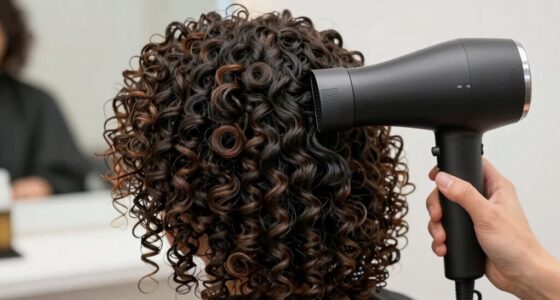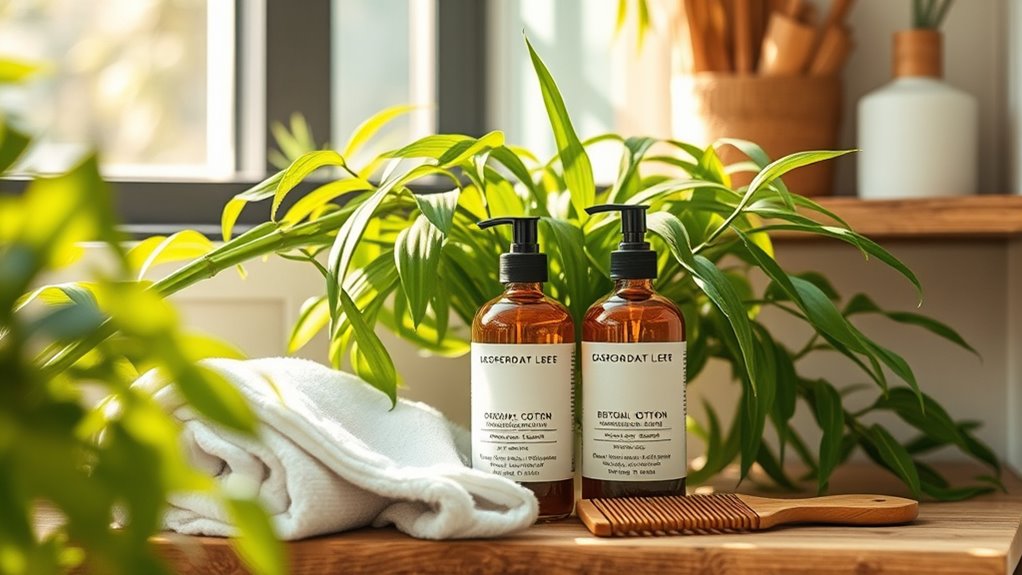

Sustainable haircare involves choosing eco-friendly ingredients, like organic botanicals, and using packaging made from recycled or biodegradable materials. You can also adopt water-saving practices such as quick rinses and waterless shampoos. Supporting brands that prioritize transparency, cruelty-free methods, and responsible sourcing helps reduce environmental impact. Plus, DIY treatments with natural ingredients allow customization without waste. Keep exploring these practices to make your haircare routine even greener and more sustainable.
Key Takeaways
- Choose products with certified organic ingredients and eco-friendly packaging to minimize environmental impact and avoid harmful chemicals.
- Incorporate sustainable practices like water conservation, recycling, and using biodegradable or refillable containers in your routine.
- Opt for natural, herbal-based haircare solutions, including DIY masks and scrubs, to reduce synthetic chemical exposure.
- Support brands committed to ethical sourcing, cruelty-free testing, and transparent, eco-conscious manufacturing processes.
- Make small routine adjustments, such as reducing shower time and reusing towels, to promote water and resource conservation.
Understanding the Principles of Sustainable Haircare
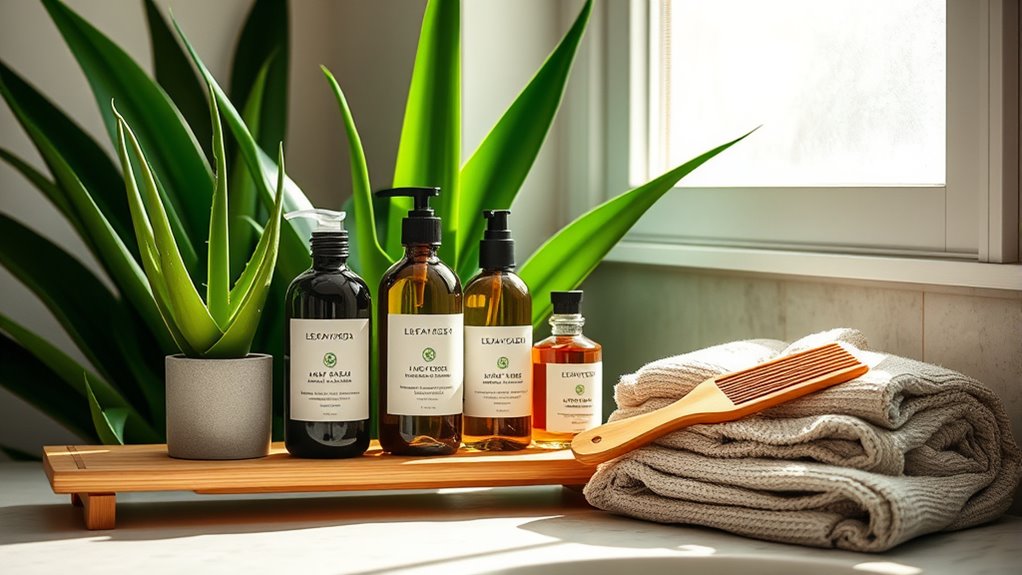
To embrace sustainable haircare, you need to understand its core principles. One key aspect is ethical sourcing, which ensures ingredients are obtained responsibly, supporting fair labor practices and minimizing environmental harm. When products focus on ethical sourcing, you’re choosing brands that prioritize sustainability throughout their supply chain. Additionally, being aware of the regulatory compliance involved in newer sustainable technologies can help you make informed choices that support both environmental and legal standards. Another essential principle is reducing the carbon footprint associated with haircare products. This involves selecting items made with eco-friendly processes, packaging, and transportation methods that lower greenhouse gas emissions. Incorporating sustainable ingredients into haircare routines further supports eco-friendly practices, as these ingredients are often harvested with minimal environmental impact and promote biodiversity. Understanding the mind-body connection highlighted in somatic therapy can also inspire mindful consumer choices that align with a holistic, eco-conscious lifestyle. Moreover, choosing products that are packaged with biodegradable materials can significantly lessen environmental impact. Implementing sustainable manufacturing practices in product creation is also crucial for reducing overall ecological footprints.
Choosing Natural and Organic Ingredients
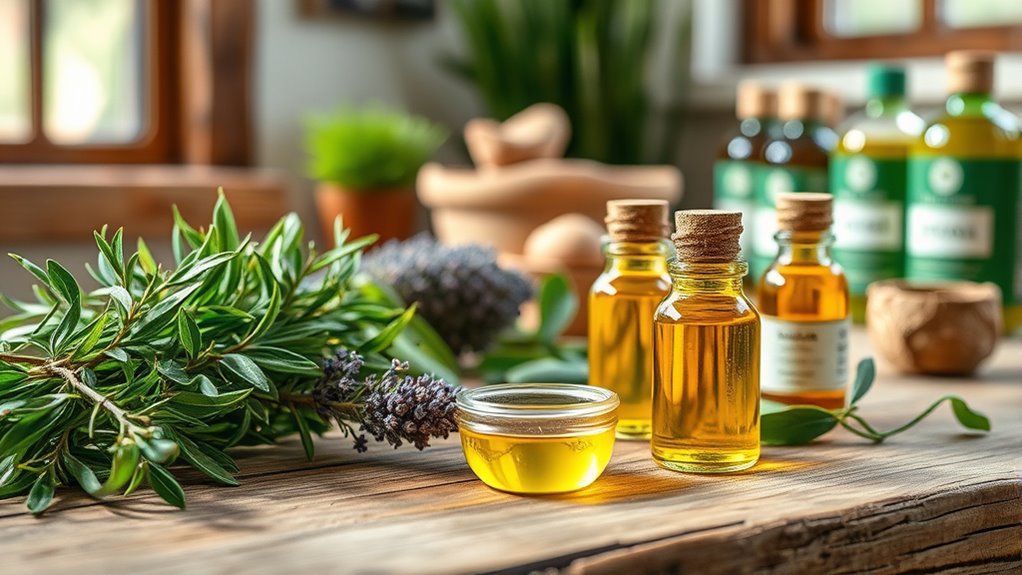
Choosing natural and organic ingredients can greatly improve your hair’s health and reduce environmental impact. When you select products with certified organic labels, you guarantee you’re using ingredients free from harmful chemicals. Learning to identify genuine natural products helps you make smarter, more sustainable choices for your haircare routine. Additionally, staying informed about AI safety measures can help consumers better understand how technological advancements are shaping sustainable practices in beauty and personal care industries. Being aware of certification standards ensures you’re truly selecting authentic organic options. Recognizing traditional practices in sourcing ingredients can also add value to your selection process by supporting time-honored, eco-friendly methods. Understanding regulatory guidelines can further assist in verifying the authenticity and safety of the products you choose, ultimately supporting a more mindful approach to personal care.
Benefits of Organic Ingredients
Opting for organic ingredients in haircare guarantees you’re using products free from synthetic chemicals, which can irritate your scalp and damage your hair over time. Organic products often contain herbal extracts and plant-based nutrients that nourish your hair naturally. These ingredients are rich in antioxidants, vitamins, and minerals that strengthen and promote healthy hair growth without harsh additives. Incorporating bicycle tire longevity in storage into your haircare routine can help you discover personalized solutions that work best for your hair type. Additionally, choosing organic ingredients means minimizing exposure to artificial fragrances and preservatives that can cause allergic reactions or dryness. The natural compounds in herbal extracts help soothe your scalp, while plant-based nutrients support overall hair health. Using organic ingredients assures you’re caring for your hair in a gentle, environmentally friendly way, minimizing your ecological footprint and supporting sustainable practices.
Identifying Natural Products
How can you effectively identify natural and organic haircare products among a sea of options? Look for labels that highlight plant-based options and avoid products with synthetic preservatives. Reading ingredient lists helps; prioritize items with recognizable, natural components. To assist, here’s a quick guide:
| Ingredient Type | Look For | Avoid |
|---|---|---|
| Plant-based options | Botanical extracts, oils | Artificial fragrances |
| Preservatives | Natural antioxidants | Synthetic preservatives |
| Silicones | Plant-derived silicones | Petroleum-based ingredients |
| Additives | Natural thickeners, humectants | Parabens, sulfates |
Choosing products with transparent labels ensures you pick truly natural options, supporting both your hair health and the planet. Additionally, being aware of natural immune booster properties can help you select products that may support overall health.
Eco-Friendly Packaging Solutions
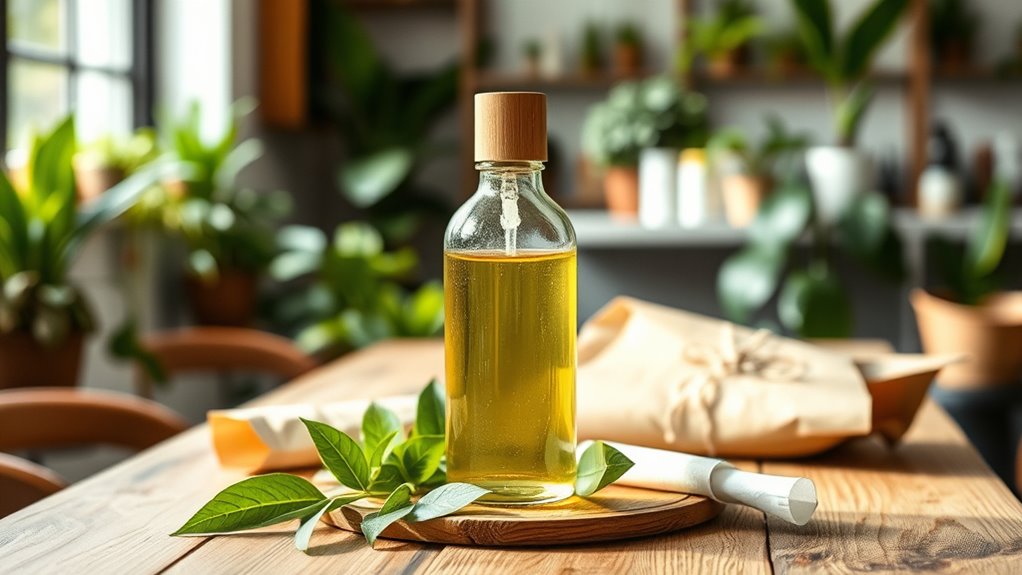
Switching to recyclable materials like glass or aluminum can substantially reduce waste. Biodegradable packaging offers an eco-friendly alternative. These options help lessen your environmental impact and support sustainability. Incorporating eco-conscious behaviors into your routine can further amplify your positive impact on the planet. Additionally, selecting products with sustainable ingredients can enhance your eco-friendly regimen. Employing these practices aligns with the principles of risk mitigation, ensuring that your commitment to sustainability is both effective and resilient. Recognizing the importance of eco-friendly packaging can also inspire innovations in the beauty industry, encouraging brands to adopt more sustainable practices. Moreover, fostering trust-building activities within the industry can promote greater consumer confidence in eco-friendly products and practices.
Recyclable Material Options
Recyclable materials are transforming the way haircare packaging minimizes environmental impact. By choosing recyclable packaging, you help reduce waste and conserve resources. Eco friendly containers are designed to be reused or processed easily, making them a smart choice for sustainability. For example, using high water content materials like glass bottles can support hydration and reduce the need for single-use plastics. Here are three options to consider:
- Glass bottles – durable, recyclable, and often reusable.
- Aluminum cans – lightweight, highly recyclable, and resistant to corrosion.
- Recycled plastic – made from post-consumer waste, reducing new plastic production. Incorporating sustainable packaging practices encourages responsible consumption and minimizes ecological footprints. Using these materials ensures your products are both functional and eco-conscious, while recyclability remains a key factor in choosing environmentally friendly options.
Biodegradable Packaging Choices
Biodegradable packaging offers a practical solution for reducing environmental impact because it naturally breaks down into the earth without leaving harmful residues. Choosing compostable packaging or biodegradable containers guarantees your haircare products stay eco-friendly from production to disposal. Fokos is a notable example of a sustainable, eco-friendly material that aligns with these packaging options. These options decompose faster than traditional plastics, helping minimize landfill waste and pollution. When selecting packaging, look for materials labeled as compostable or biodegradable, which are made from plant-based or renewable resources. Incorporating sustainable materials into your packaging choices can further enhance your brand’s eco-conscious image. Using proper cleaning techniques and ensuring products are free from harmful chemicals also supports overall sustainability efforts. Not only do these choices support sustainability, but they also appeal to eco-conscious consumers. With biodegradable containers, you can confidently reduce your brand’s carbon footprint and promote responsible consumption. Incorporating these packaging options into your products aligns your haircare line with environmental values and encourages a greener future.
Water Conservation Practices in Haircare Routines

Have you ever considered how much water you use during your haircare routine? Reducing this consumption helps the environment and conserves resources.
Being mindful of water use during haircare helps preserve our planet’s resources.
Here are simple ways to practice water conservation:
- Use rainwater harvesting systems to collect and store rainwater for washing your hair.
- Switch to waterless shampoos, which clean your hair without water, saving gallons each wash.
- Limit shower time, aiming for quick rinses instead of long, water-heavy sessions.
DIY Haircare Recipes Using Sustainable Ingredients

Using sustainable ingredients in your homemade haircare recipes not only benefits the environment but also allows you to customize products to suit your hair type.
Herbal hair masks made from ingredients like aloe vera, chamomile, or rosemary provide nourishment without harmful chemicals.
DIY scalp scrubs, using natural substances such as sugar, sea salt, or coffee grounds, gently exfoliate your scalp, promoting healthy growth.
These recipes are easy to make and free from synthetic additives, ensuring you control what goes on your hair and scalp.
By incorporating eco-friendly ingredients, you reduce waste and chemical exposure, supporting overall hair health.
Experimenting with herbal masks and DIY scrubs lets you create effective, personalized treatments that align with sustainable living principles.
Brands Leading the Green Haircare Movement

As consumers become more conscious of their environmental impact, several brands are leading the charge in the green haircare movement by prioritizing sustainability and transparency. These brands stand out by:
- Collaborating with luxury brands that emphasize eco-friendly packaging and ingredients.
- Gaining credibility through celebrity endorsements focused on eco-conscious beauty.
- Implementing transparent sourcing and cruelty-free practices that resonate with eco-aware consumers.
You’ll find that these brands not only deliver high-quality products but also champion environmental responsibility. Their commitment to reducing carbon footprints and using renewable resources makes them leaders in the industry.
Tips for Reducing Waste in Your Haircare Routine
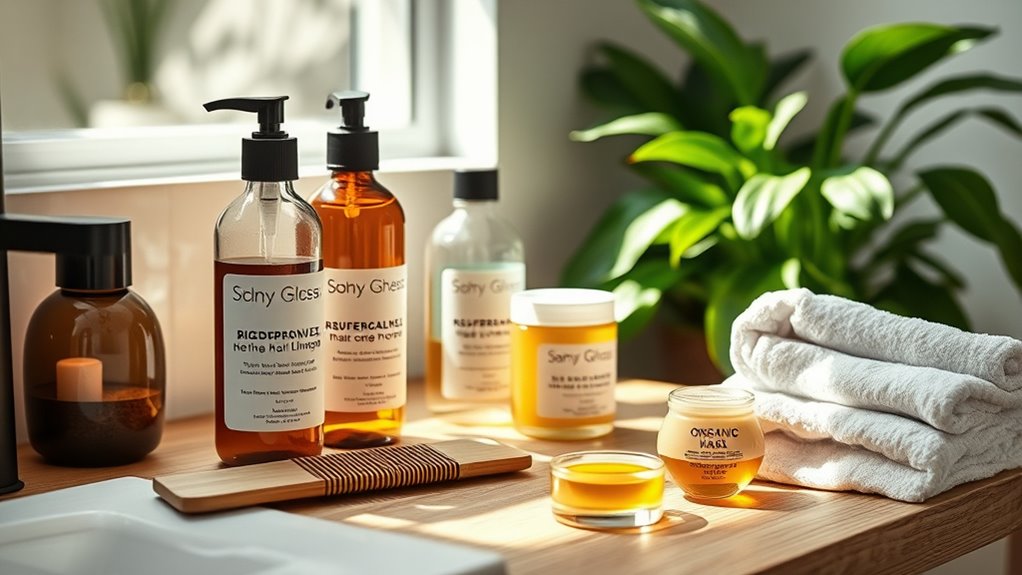
Reducing waste in your haircare routine starts with making mindful choices about the products you use and how you use them. Begin by recycling shampoo bottles instead of discarding them. Many bottles are recyclable, so rinse and place them in your recycling bin to minimize landfill waste.
Reusing hair towels is another simple step; opt for high-quality, washable towels you can use multiple times, reducing the need for disposable alternatives.
Additionally, consider purchasing products with minimal packaging or refillable containers to cut down on plastic waste. Be conscious of your consumption habits—use only what you need to avoid excess product waste.
Small changes like these add up, helping you create a more sustainable and eco-friendly haircare routine.
The Benefits of Supporting Eco-Conscious Haircare Products

Supporting eco-conscious haircare products allows you to make a meaningful impact on the environment while still caring for your hair. By choosing these products, you help reduce the environmental impact of harmful chemicals and plastic waste.
Here are three key benefits:
- Protects consumer health – Eco-friendly products often contain natural ingredients that are gentler and safer for your skin and scalp.
- Reduces pollution – Supporting brands that prioritize sustainable sourcing minimizes chemical runoff and pollution.
- Supports ethical practices – Many eco-conscious brands promote fair labor and cruelty-free testing, aligning with your values.
Frequently Asked Questions
How Can I Identify Genuinely Eco-Friendly Haircare Brands?
To identify genuinely eco-friendly haircare brands, you should look for ingredient transparency—they openly share what’s in their products.
Check their brand reputation by researching their sustainability claims and reviews from eco-conscious consumers.
Brands dedicated to eco-friendliness often use natural, organic ingredients, avoid harmful chemicals, and prioritize eco-friendly packaging.
Trust brands that demonstrate a consistent commitment to sustainability and transparency, ensuring your haircare routine supports both your health and the environment.
Are There Specific Certifications to Look for in Sustainable Hair Products?
Ever wonder if certifications really matter? Look for labels like USDA Organic, Leaping Bunny, or PETA Cruelty-Free, which verify products meet natural ingredients and cruelty-free standards.
These certifications guarantee that the brand adheres to strict eco-friendly and ethical practices. Are you prioritizing sustainability and ethical beauty?
Trust these recognized seals to guide you toward genuinely eco-friendly haircare choices, ensuring your products align with your values.
How Do Sustainable Practices Impact Hair Product Effectiveness?
Sustainable practices can enhance your hair product’s effectiveness by focusing on natural, chemical formulations that maintain ingredient efficacy.
When products avoid harsh chemicals, they often promote healthier hair over time, reducing damage and buildup.
Can Eco-Friendly Haircare Routines Be Suitable for All Hair Types?
Eco-friendly haircare routines are like a tailored suit—they can suit all hair types if chosen carefully. You can find natural products designed for various textures, from curly to straight, and those that cater to chemical sensitivities.
With mindful selection, you’ll support healthy hair while respecting the environment. It’s all about understanding your unique needs and choosing eco-friendly products that match your natural hair textures and sensitivities.
What Are the Cost Differences Between Sustainable and Conventional Hair Products?
The cost comparison between sustainable and conventional hair products varies. Often, eco-friendly options are slightly more expensive due to higher price factors like organic ingredients and ethical sourcing.
You might notice that sustainable products typically cost more upfront. However, they often last longer and benefit the environment.
While the price differences can be noticeable, investing in eco-friendly haircare aligns with sustainability goals. It also promotes healthier hair and a healthier planet.
Conclusion
By choosing eco-friendly haircare products and practices, you’re not just caring for your hair but also supporting the planet. Some skeptics believe sustainable products don’t work as well, but many brands now prove otherwise with effective, natural ingredients. When you make small changes—like using biodegradable packaging or DIY recipes—you contribute to a greener future. So, embrace these practices and see firsthand how eco-conscious haircare can be both powerful and rewarding.