
To shift to natural hair, start by evaluating your hair type and setting clear goals. Gather gentle, sulfate-free products and tools like wide-tooth combs. Gradually cut back on chemical treatments and focus on consistent moisturizing—using leave-in conditioners and oils. Try protective styles such as braids or twists to minimize manipulation. Regular trims, proper detangling, and patience will help you embrace your natural texture. Continue exploring these steps for a smooth journey to healthy, beautiful natural hair.
Key Takeaways
- Gradually reduce chemical treatments, opting for natural alternatives and gentle products to allow your hair to adjust safely.
- Assess your hair type, porosity, and curl pattern to tailor routines that promote moisture retention and healthy growth.
- Develop a consistent moisturizing and protective styling routine to minimize damage and support natural curl formation.
- Use suitable tools like wide-tooth combs and satin accessories to detangle gently and prevent breakage.
- Monitor your hair’s response, adjusting care routines to enhance moisture, elasticity, and overall hair health over time.
Assess Your Hair Type and Goals

Before you begin shifting to natural hair, understanding your hair type and setting clear goals is essential. Start by evaluating your hair porosity—how well your hair absorbs and retains moisture. This influences which products and styling techniques work best. Additionally, researching celebrity transformations can provide inspiration and insight into different hair journeys and styles. Next, examine your curl pattern; whether it’s loose waves, tight coils, or somewhere in between, knowing your curl type helps you tailor your routine. Recognizing your hair texture can also aid in choosing suitable care methods and avoid unnecessary damage. Understanding your hair’s unique characteristics and what you want to achieve is crucial for a successful transition. Identifying these aspects allows you to choose appropriate products and plan your transition effectively. Setting specific goals, like embracing your natural texture or maintaining length, keeps you motivated. By understanding your hair’s hair type diversity and what you want to achieve, you’ll be better prepared to navigate the transition smoothly and confidently. Paying attention to your hair porosity can also help prevent damage and improve moisture retention during this process. Incorporating scalp health practices can further support the overall health of your hair during the transition.
Gather Essential Hair Care Products and Tools
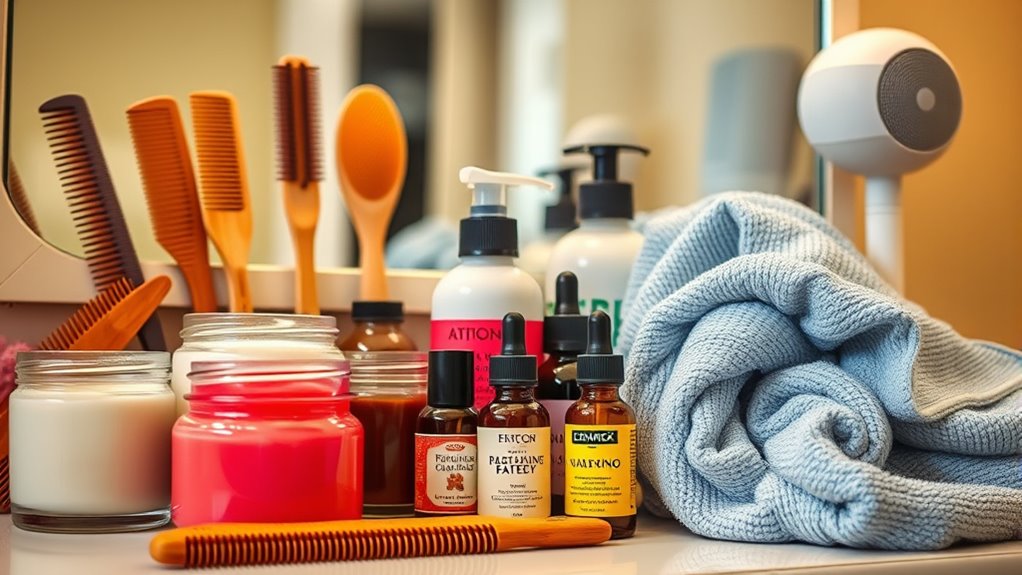
To care for your natural hair effectively, you’ll need to choose the right products and tools. Focus on selecting gentle shampoos, moisturizers, and styling items suited for your hair type. Incorporating nourishing treatments like hydration and nourishment can help maintain healthy hair and scalp. Keep a checklist of essential tools like wide-tooth combs and satin scarves. Having these essentials in place will make your progression smoother and your hair healthier. Additionally, using Best Modern Toilet designed for gentle cleansing can enhance your overall hair care routine by reducing unnecessary stress on your scalp during washing. Being mindful of privacy and boundaries in your personal care routines can also help maintain your comfort and confidence as you transition.
Product Selection Tips
Choosing the right products and tools is essential for a successful shift to natural hair. Start by selecting gentle shampoos that won’t strip moisture. Using a 3.5mm jack for headphones with your devices can help ensure clear sound quality during tutorials and music, which can be motivating during your hair care routine. Next, focus on deep conditioning treatments to restore and maintain hydration. Incorporating proper product layering** techniques, such as applying leave-in conditioners and styling creams, helps define curls and reduce frizz. Using a properly maintained diffuser can help dry curls evenly without causing damage or frizz. Additionally, selecting smart cleaning tools** designed for curly hair can make maintenance easier and more effective. Visualize your routine with these steps:
- Applying a nourishing deep conditioner after washing
- Layering lightweight oils and creams for moisture and hold
- Using a wide-tooth comb or fingers to distribute products evenly
Tool Essential Checklist
Having the right tools and products on hand makes all the difference when caring for your natural hair. Knowing your hair porosity helps you choose moisture-rich products and avoid product buildup. Additionally, understanding your hair porosity can influence your choice of styling techniques and product application methods, ensuring better hair health. A wide-tooth comb is essential for detangling without breakage, especially for different curl patterns. You’ll also need a spray bottle for water or leave-in conditioners, which help define curls and maintain hydration. A microfiber towel or T-shirt minimizes frizz and preserves curl pattern during drying. Incorporate a deep conditioner and a leave-in moisturizer suited for your hair porosity to enhance softness and elasticity. Recognizing proper hair care practices can significantly improve your hair’s overall health and manageability. Practicing consistent moisturizing techniques can help prevent dryness and breakage. Properly understanding your hair’s unique properties can also guide you in selecting the best Mazda Tuning methods for vehicle upgrades. Ultimately, invest in a satin or silk bonnet or pillowcase to reduce friction while sleeping. With these tools, you’ll set a solid foundation for healthy, vibrant natural hair.
Gradually Reduce Chemical Treatments

To protect your hair during the changeover, start limiting your chemical treatments gradually so your strands can adjust. Switch to gentle, natural alternatives like henna or botanical dyes to reduce damage. Keep a close eye on how your hair responds, and adjust your routine as needed to maintain healthy, natural-looking hair. Incorporating self watering plant pots can also boost your confidence as you embrace your natural hair journey. Using keto friendly ingredients such as nourishing oils can further support your hair’s health during this transition. Additionally, choosing electric bike conversion kits with reliable motors and waterproof features can make your daily commute more eco-friendly and efficient. Remember, understanding your hair’s porosity and scalp health can help tailor your transition plan more effectively.
Limit Chemical Exposure Gradually
Reducing chemical treatments gradually allows your hair and scalp to adjust smoothly, minimizing damage and breakage. This gradual progression helps your natural oils restore balance and reduces shock from sudden chemical exposure. Incorporating natural hair care routines that strengthen your strands can further prepare your hair for less chemical reliance. Additionally, understanding chemical treatment effects can empower you to make informed decisions about your hair care journey. Practicing long-term planning in your hair care routine can help you stay consistent and patient throughout this transition.
Switch to Gentle Alternatives
Are you ready to make your change to natural hair smoother? Switching begins with switching to gentle alternatives that reduce chemical exposure. Start by replacing harsh shampoos with gentle shampoos designed for sensitive scalps. Look for products labeled sulfate-free, paraben-free, or those containing natural ingredients like aloe or tea tree oil.
Gradually decrease the use of chemical treatments like relaxers or dyes, opting instead for safer chemical alternatives when necessary. This helps your hair adjust without shock.
Using gentle shampoos regularly will cleanse your scalp without stripping natural oils, promoting healthier growth. As you shift forward, your hair will become more resilient and vibrant, setting a solid foundation for your natural hair journey.
Small, consistent changes make a big difference over time.
Monitor Hair’s Response
How can you tell if your hair is adjusting well to fewer chemical treatments? Look for signs that your hair and scalp are responding positively.
First, observe your hair porosity—if your hair absorbs and retains moisture better, it’s a good sign.
Second, check your scalp health; fewer irritations, dryness, or flakiness indicate recovery.
Third, notice your hair’s texture—less brittleness or breakage suggests your strands are strengthening.
As you reduce chemicals gradually, your hair should become more resilient and balanced.
Keep a close eye on these signs, and adapt your care routine accordingly.
Develop a Consistent Moisturizing Routine
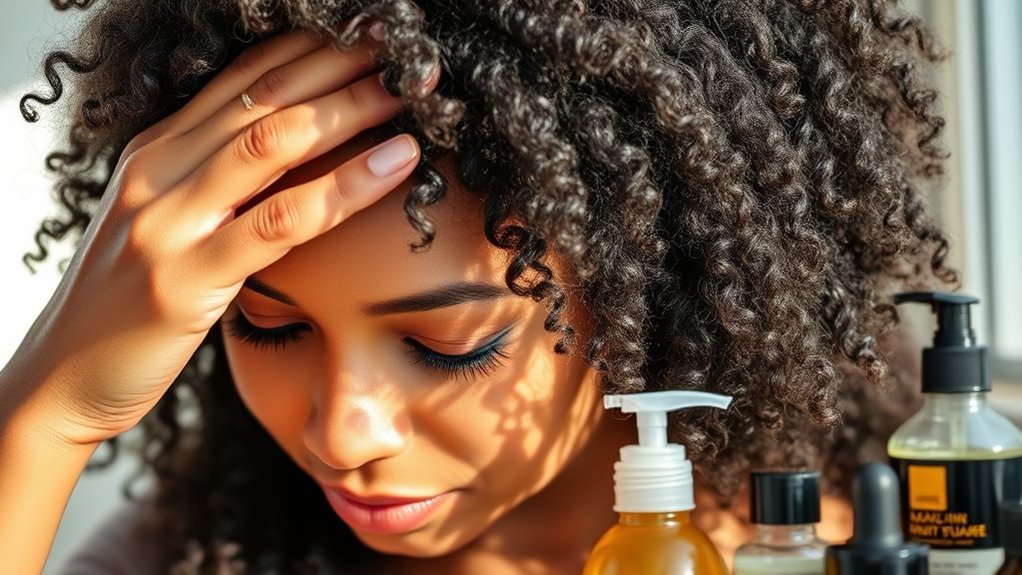
Establishing a consistent moisturizing routine is essential for maintaining healthy, natural hair as you transition.
You should focus on effective moisturizing techniques that suit your hair type and lifestyle.
Consistency helps prevent dryness and breakage, so stick to a hydration schedule that works for you—whether daily or every few days.
Use lightweight leave-in conditioners, water-based sprays, or oils to lock in moisture.
Pay attention to how your hair responds and adjust your routine accordingly.
Applying moisturizer on damp hair guarantees better absorption, promoting softness and elasticity.
Remember, the key is regularity; a predictable routine builds healthy hair over time.
Experiment With Protective Hairstyles
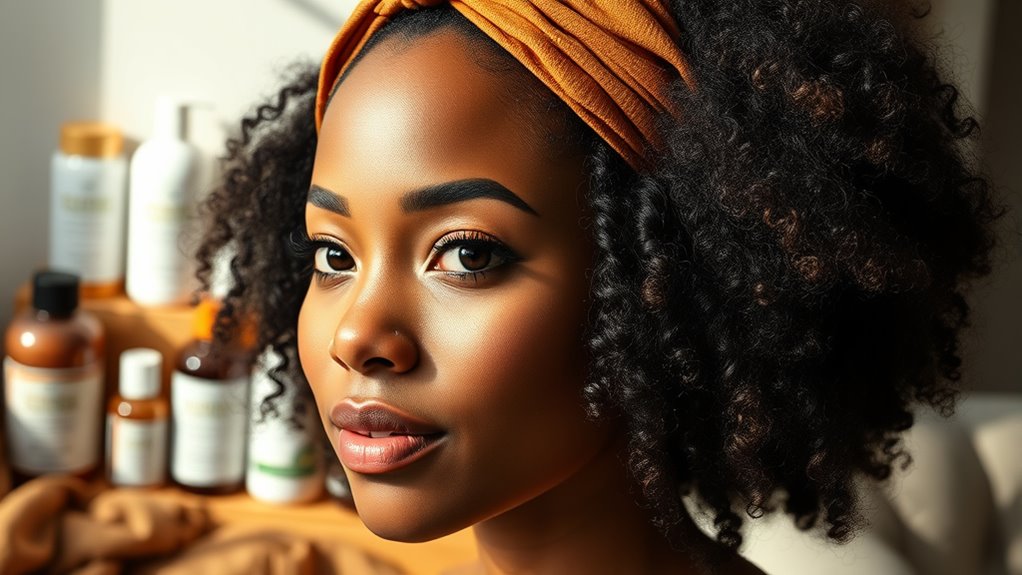
Trying out protective hairstyles is a practical way to give your natural hair a break from daily manipulation and reduce the risk of damage. These styles shield your strands while promoting growth. To get started, explore different braiding techniques and styles that suit your hair texture.
Picture yourself:
- A sleek, tight box braid style that keeps ends tucked away.
- Large, chunky twists that add volume and ease.
- A bun with braided edges for a polished look.
Protective styles like these help retain moisture and prevent breakage. As you experiment, focus on styles that require minimal manipulation and avoid tight tension. Remember, the goal is to protect your hair while maintaining a natural, versatile look.
This approach makes switching over smoother and healthier.
Learn Proper Detangling and Styling Techniques
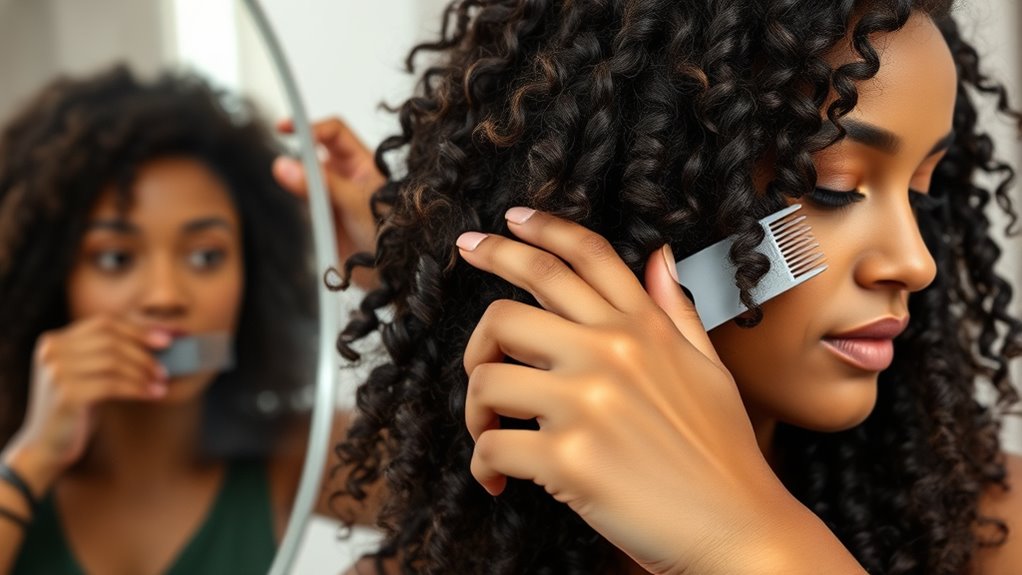
Once you’ve chosen your protective styles, mastering proper detangling and styling techniques becomes key to maintaining healthy hair. Use gentle detangling techniques, starting from the ends and working upward to minimize breakage. Always detangle when your hair is damp and conditioned, using a wide-tooth comb or fingers.
For styling methods, opt for low-manipulation techniques that reduce tension and stress on your strands. Avoid tight hairstyles that can cause damage over time. Incorporate gentle, consistent movements to preserve your curl pattern and prevent unnecessary breakage.
Also, consider protective styling options that support your hair’s health while allowing you to experiment with different looks. Proper detangling and styling techniques help you maintain moisture, reduce damage, and keep your natural hair looking its best.
Schedule Regular Trims to Maintain Healthy Ends
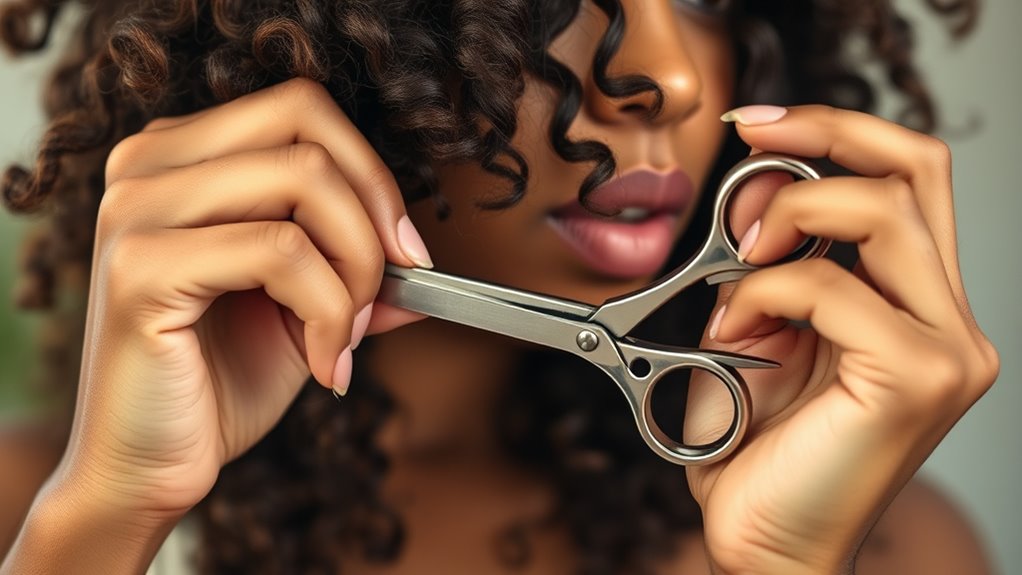
Regular trims are essential for keeping your natural hair healthy and free from damage. By scheduling consistent hair trimming, you promote scalp health and prevent split ends from traveling up the hair shaft.
When you trim your ends, imagine:
- Removing frayed strands that can cause breakage
- Creating a clean, even look that boosts confidence
- Allowing healthy new growth to flourish without obstruction
This routine encourages you to inspect your ends regularly and trim only what’s necessary, maintaining your hair’s strength. Remember, scalp health is closely tied to hair trimming—healthy ends support a healthier scalp overall.
Make trims a regular part of your hair care schedule to keep your natural hair vibrant, manageable, and free from damage.
Embrace Your Natural Texture and Be Patient
Embracing your natural texture is an essential step in your hair journey, even if it takes patience and persistence. Your natural texture is unique and beautiful, so celebrate its characteristics rather than fighting against them.
Celebrate your unique and beautiful natural texture; patience and love reveal your true hair’s potential.
It’s normal for your hair to go through a metamorphosis period, which requires patience and perseverance. Instead of expecting immediate results, focus on understanding and loving your hair as it is.
As you give yourself time to adjust, you’ll notice your natural pattern becoming more manageable and confident. Remember, every curl, wave, or kink is part of your identity.
Trust the process, stay committed, and be gentle with yourself. With patience and perseverance, you’ll learn to embrace and enhance your natural beauty.
Connect With Supportive Communities and Resources
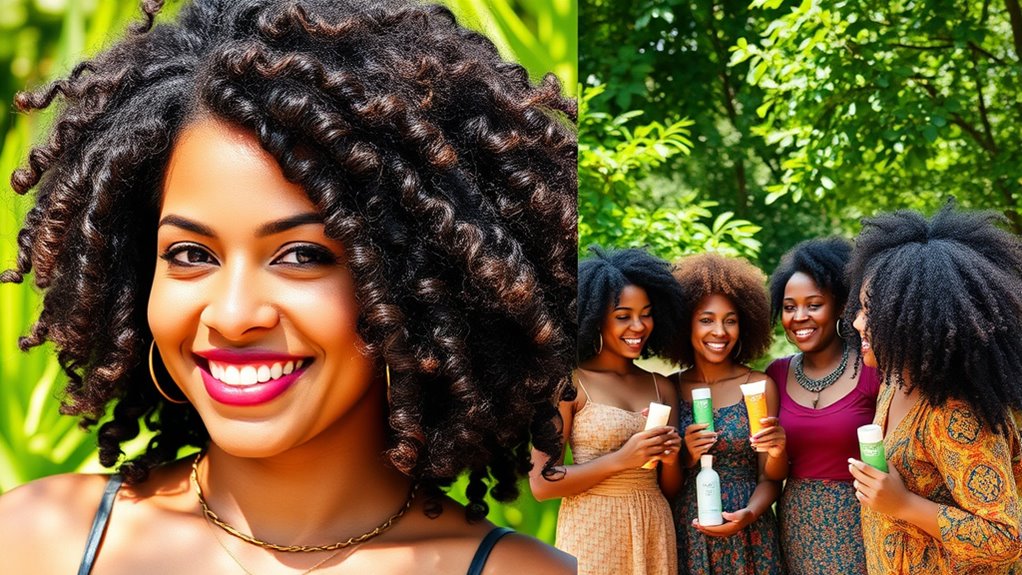
Connecting with supportive communities and resources can make your natural hair journey more empowering and enjoyable. Support groups and online forums offer a space to ask questions, share experiences, and find encouragement.
Imagine:
- Joining a local support group where members swap tips during meetups.
- Participating in online forums filled with vibrant threads about hair care routines.
- Following social media pages that celebrate diverse natural hairstyles.
These resources help you learn from others who’ve been through the same progression, making your path smoother. Support groups provide emotional backing, while online forums offer quick advice and inspiration.
Frequently Asked Questions
How Long Does the Transition Process Typically Take?
The progression process usually takes anywhere from a few months to a year, depending on your hair growth rate and styling methods.
As your hair grows out, you’ll see the natural texture emerge more clearly. Consistent hair care and patience are key.
You can try different styling methods to blend textures and make the process smoother.
What Are Common Challenges Faced When Transitioning to Natural Hair?
Like maneuvering a maze, you might face challenges when shifting to natural hair. Common issues include dealing with varying hair textures, which can be frustrating, and managing product buildup from using multiple styling products. These hurdles require patience and experimentation.
You’ll need to find the right routine and products that suit your hair’s unique needs. Staying consistent and embracing your hair’s natural beauty helps overcome these challenges.
Can I Color My Hair During the Transition?
Yes, you can color your hair during the changeover, but choose gentle hair dye options like semi-permanent or natural dyes to minimize damage.
Be mindful of how color affects your natural and relaxed hair, and opt for shades that complement your skin tone.
Follow color maintenance tips like using sulfate-free shampoos and deep conditioning treatments to keep your hair healthy and vibrant throughout the process.
How Do I Deal With Hair Breakage During Transition?
Think of your hair as a delicate garden that needs nurturing. To handle breakage, embrace protective styles that shield your strands and reduce damage.
Incorporate moisturizing routines to keep your hair hydrated and resilient, like watering your plants regularly. Be gentle when detangling, and avoid excessive heat.
These steps help your hair grow strong, preventing breakage and ensuring your natural beauty blossoms beautifully during your progression.
Are There Specific Products Recommended for Transitioning Hair?
Yes, for switching hair, you should choose natural hair care products that nourish and strengthen your strands. Look for sulfate-free shampoos, moisturizing conditioners, and leave-in treatments with ingredients like argan oil, shea butter, and coconut oil.
Product recommendations include SheaMoisture, Cantu, and As I Am. These help reduce breakage, maintain moisture, and promote healthy growth, making your shift smoother and more successful.
Conclusion
Embracing your natural hair journey is like tending a garden—you need patience, care, and dedication. Trust the process, celebrate small victories, and remember that every curl and coil tells a story of your unique beauty. With each step you take, you’ll see your confidence blossom like a spring flower. Keep nurturing your hair and soul, and soon, you’ll be rocking your authentic self with pride and joy.