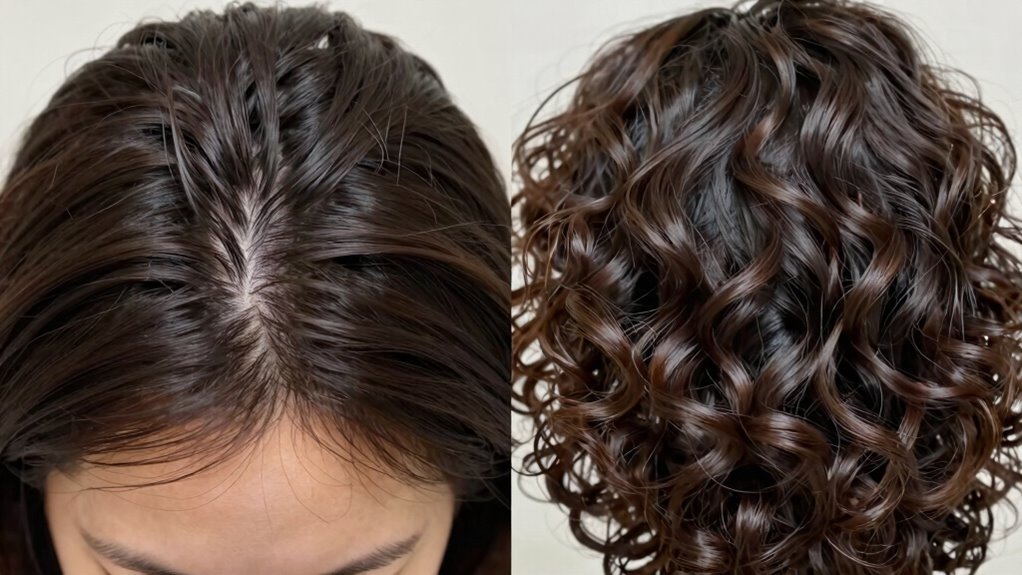

Volumizing your hair adds gentle lift at the roots, making it look thicker and softer, ideal for fine or thin hair. Puffing, on the other hand, involves teasing or backcombing to create dramatic height and texture for bold, statement styles. While volumizing gives a natural, airy fullness, puffing produces exaggerated, theatrical volume. If you’re curious about how to choose the right technique for your look, there’s more to uncover about these styling methods.

Turn your wind-down time into listening time
- Thousands of audiobooks, podcasts and originals
- Listen on your phone, tablet or Echo — also offline
- Cancel anytime
Key Takeaways
- Volumizing adds subtle lift at the roots to enhance natural fullness, while puffing involves teasing for exaggerated, dramatic texture.
- Suitable hair types differ: volumizing works best for fine or thin hair, puffing can be used with any texture for bold styles.
- Volumizing uses lightweight products and techniques like blow-drying, whereas puffing involves teasing, backcombing, or padding for height.
- The goal of volumizing is a soft, airy look; puffing creates height, texture, and statement styles.
- Volumizing provides natural fullness with minimal effort; puffing offers more dramatic, theatrical volume.
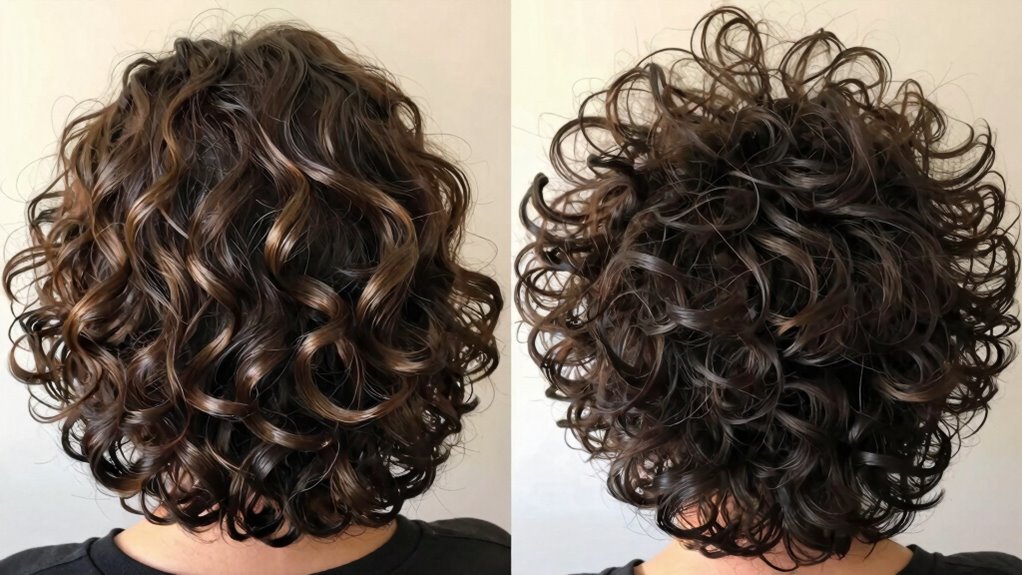
When it comes to achieving fuller, more lively hair, understanding the difference between volumizing and puffing up your hair is crucial. These two styling goals often get used interchangeably, but they involve distinct techniques and effects that depend heavily on your hair texture. Knowing which approach suits your hair type will help you create the look you want, whether it’s subtle lift or dramatic fullness.
Volumizing focuses on enhancing the natural body of your hair by adding lift at the roots and creating an overall sense of fullness. This technique works well for fine or thin hair, which tends to lack natural volume. When you’re volumizing, you’re fundamentally boosting your hair’s inherent texture and making it appear thicker and more substantial. Products like volumizing mousses, root-lifting sprays, and lightweight powders are key tools. They’re applied strategically—usually at the roots—to give your hair a boost without weighing it down. Styling techniques like blow-drying with a round brush or using a diffuser can also help lift the roots and maximize volume. The goal here is to work with your hair’s natural texture, emphasizing its potential for lift and body. If you have straight, flat hair, volumizing can make a noticeable difference by creating a soft, airy appearance. Understanding hair texture plays a key role in choosing the right styling approach. Additionally, selecting the appropriate hair care products can significantly enhance the effectiveness of volumizing techniques.
In contrast, puffing up your hair tends to be more about creating a more exaggerated, sometimes theatrical, effect. It often involves teasing or backcombing sections of hair to produce a more dramatic, textured look. Puffing can give the illusion of thicker hair, but it’s usually less about enhancing your natural hair texture and more about manipulating it for a specific style. This approach can work with any hair texture but works best when you want a bold, statement hairstyle. Styling techniques like teasing the crown, backcombing at the roots, or using volumizing powders for extra grip are common. Puffing can also involve using padding or hairpieces to add bulk quickly. It’s a technique frequently used for formal updos or retro-inspired styles, where height and drama are desired. Additionally, teasing or backcombing helps to create the desired volume and texture, especially when used thoughtfully to avoid damage.
Ultimately, your choice depends on your hair texture and the look you’re aiming for. If you’re after natural fullness without much fuss, volumizing is your best bet. But if you want a bold, eye-catching style, puffing up your hair with teasing or padding might suit your needs better. Understanding the nuances between these two styling techniques ensures you can tailor your approach, making your hair look fuller and more vibrant in a way that complements your natural hair texture.
As an affiliate, we earn on qualifying purchases.
Frequently Asked Questions
Can Volumizing Products Damage My Hair Over Time?
Volumizing products can potentially damage your hair over time if you use them excessively or neglect proper care. If your hair texture is fine or brittle, harsh product ingredients like alcohol or sulfates might weaken your strands. To prevent damage, choose lightweight, nourishing formulas and avoid overuse. Regularly deep condition and give your hair breaks from styling products, helping maintain healthy, voluminous hair without risking long-term harm.
Which Method Lasts Longer: Volumizing or Puffing?
Puffing up your hair lasts longer than volumizing because it creates a more dramatic, lasting change. With puffing, you manipulate your hair’s texture markedly, locking in that fuller look through bold styling techniques. Volumizing can fade faster, especially if your hair’s natural texture fights against the product. So, if you want a long-lasting effect, puffing wins, giving your hair the bold, voluminous look that endures all day.
Are There Specific Hair Types That Respond Better to Puffing?
Yes, certain hair types respond better to puffing, especially fine hair, as it creates instant volume and fullness. Natural hair with more texture also benefits from puffing, since it can hold the style better without weighing down. If you have thick or curly hair, puffing might be less effective or require different techniques. Overall, fine and naturally textured hair tend to achieve the best results with puffing for a voluminous look.
How Often Should I Use Volumizing Products?
You should use volumizing products as often as needed to balance your volume and enhance your natural texture. Typically, applying them every other day or a few times a week works well, depending on your hair type and style goals. Pay attention to how your hair responds, and avoid overusing to prevent buildup. Regular use helps maintain lift without weighing down your hair, keeping your natural texture lively and vibrant.
Can Puffing Damage My Scalp or Hair Roots?
Puffing your hair isn’t a magic wand—overdoing it can tug at your roots like a relentless storm, risking scalp irritation and hair breakage. When you pile on too much product or tease aggressively, your scalp becomes strained, and your roots weaken. To keep your hair healthy, use puffing techniques gently, and give your scalp regular breaks. Treat your hair like a delicate garden, nurturing it with care and moderation.
root lifting spray for thin hair
As an affiliate, we earn on qualifying purchases.
As an affiliate, we earn on qualifying purchases.
Conclusion
Understanding the difference between volumizing and puffing up your hair helps you choose the right style for any occasion. Volumizing techniques add lift at the roots, creating a natural, fuller look, while puffing up involves teasing or backcombing for dramatic height. Did you know that 70% of women prefer volumizing products over puffing methods for everyday wear? Now that you know the distinction, you can confidently achieve your desired hairstyle and boost your confidence every day.
As an affiliate, we earn on qualifying purchases.
As an affiliate, we earn on qualifying purchases.
Fall Picks
fall essentials
As an affiliate, we earn on qualifying purchases.