To navigate makeup expiration dates and stay safe, check each product for labeled dates or symbols, and keep track of how long you’ve used it. Most items like foundation and concealer last 3-6 months, while lipsticks last about a year. Watch for signs of spoilage like foul smells, texture changes, or discoloration. Proper storage and regular replacement prevent skin issues. Keep your makeup organized—more tips to help you stay safe are just ahead.

Turn your wind-down time into listening time
- Thousands of audiobooks, podcasts and originals
- Listen on your phone, tablet or Echo — also offline
- Cancel anytime
Key Takeaways
- Regularly check and adhere to product expiration dates to prevent skin irritation and ensure safety.
- Store makeup in a cool, dry, and airtight environment to extend shelf life and maintain ingredient stability.
- Recognize spoilage signs such as foul smell, texture changes, discoloration, or increased skin sensitivity.
- Practice good hygiene by cleaning brushes and avoiding cross-contamination to prolong makeup safety and effectiveness.
- Properly dispose of expired or spoiled products using environmentally safe methods to protect skin and the environment.
As an affiliate, we earn on qualifying purchases.
Understanding the Importance of Makeup Expiration Dates

Understanding the importance of makeup expiration dates is essential for maintaining your skin’s health and safety. Makeup ingredients can break down over time, losing effectiveness and potentially causing irritation or infections. Proper storage also plays a crucial role in extending the shelf life of cosmetics by protecting them from environmental factors. Additionally, packaging design helps prevent contamination and spoilage by providing a barrier against external elements, which can significantly impact product longevity. packaging design plays a vital role in protecting these ingredients from exposure to air, light, and bacteria, which can accelerate spoilage. Clear, well-sealed packaging helps keep products fresh longer, but it doesn’t prevent expiration entirely. Using expired makeup can lead to breakouts, allergic reactions, or skin sensitivities. Furthermore, ingredient degradation over time can alter the texture and scent of products, making them unpleasant to use. Being aware of expiration dates and product stability can help you avoid these risks and ensure your products remain safe and effective. It is also helpful to recognize that cosmetic preservatives can lose their effectiveness over time, increasing the risk of bacterial growth. Ultimately, understanding how makeup ingredients degrade and how packaging design affects longevity helps you make smarter choices about when to replace your cosmetics.
As an affiliate, we earn on qualifying purchases.
How to Find and Read Expiration Dates on Your Products

Finding and reading expiration dates on your makeup products is straightforward once you know where to look. Start by inspecting the packaging, as many products feature expiration info directly on the label or bottom. Look for symbols like the open jar icon with a number indicating months, or check ingredient labels, which sometimes include manufacturing or expiry dates. Some brands hide dates within batch codes, which you can decode using barcode scanning apps or online tools. Being aware of trust-building activities can also help when purchasing from brands that clearly communicate product shelf life. Keep an eye out for color changes, unusual smells, or texture shifts as signs of expiration. Additionally, understanding product formulations can aid in recognizing when a product is no longer safe to use. Staying informed about regulatory standards can help you better interpret packaging and expiry symbols. An understanding of manufacturing dates can also help determine a product’s freshness and usability. Being familiar with storage conditions can also impact the longevity of your makeup products. Here are some helpful tips:
Inspect packaging for expiration info, symbols, batch codes, or ingredient labels to easily find your makeup’s shelf life.
- Check the packaging for printed expiration dates
- Look for open jar symbols indicating shelf life
- Decode batch codes with barcode scanning
- Read ingredient labels for manufacturing info
- Watch for visual or scent changes
As an affiliate, we earn on qualifying purchases.
Typical Lifespan of Common Makeup Items
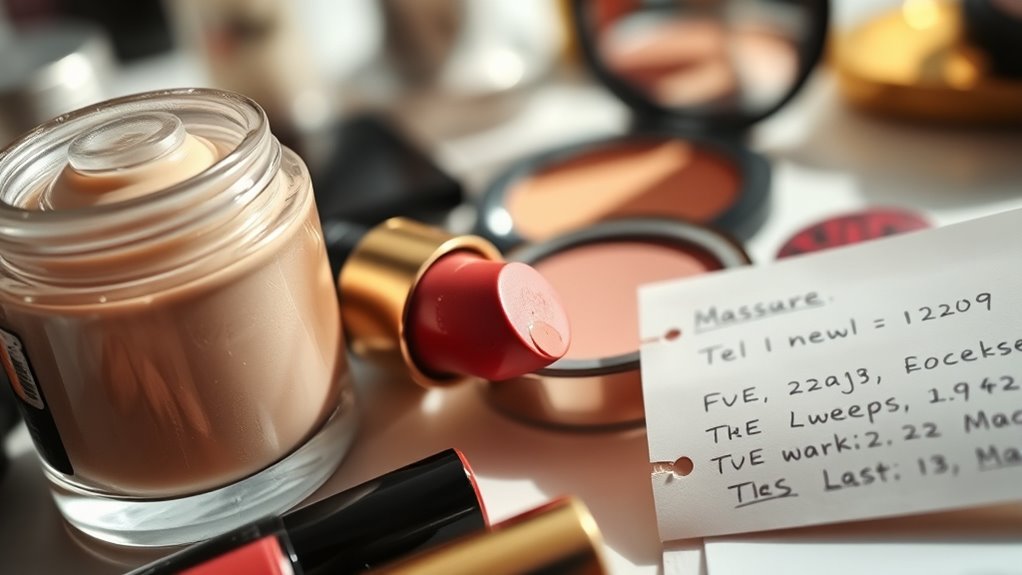
Your foundation and concealer typically last about six months to a year before they should be replaced. Lipstick and lip gloss usually stay good for about one year, but their longevity can vary depending on use and storage. Knowing these timeframes helps you keep your makeup fresh and safe to use. Proper storage environment prevents bacterial growth and can extend the lifespan of your cosmetics and prevent bacterial growth. Additionally, understanding air quality and pollutants can help you make informed decisions about product safety and shelf life. Being aware of common mistakes like cross-contamination can also help maintain the integrity of your makeup products and ensure their safety over time.
Foundation and Concealer Longevity
Foundation and concealer typically last between three to six months before they should be replaced. Over time, chemical breakdowns and ingredient interactions can compromise their safety and effectiveness.
As formulas age, they become more prone to bacterial growth, which can cause skin issues. Changes in texture, smell, or separation are signs it’s time to discard them. Proper storage can extend their lifespan, but always prioritize safety. Regularly inspect your products and avoid sharing to prevent contamination.
If you notice any irritation or mold, toss them immediately. Remember, using expired products increases the risk of skin reactions. Being aware of product shelf life and signs of spoilage helps you maintain both the safety and performance of your makeup. Your skin will thank you for making informed, timely replacements. Additionally, understanding cosmetic ingredients can help you identify products that may degrade faster and need earlier replacement. Recognizing how emotional regulation impacts product longevity can also enhance your skincare routine, especially if your skin is sensitive or prone to reactions. Proper product storage can also significantly extend the usability of your makeup.
Lipstick and Lip Gloss Durability
Lip gloss safety is especially important because its creamy formula can harbor bacteria once opened. To extend their lifespan, avoid sharing your lip products and always use clean applicators. Regularly inspecting your makeup products and knowing their shelf life can also help you determine when to replace them. Being aware of signs of spoilage such as changes in smell, texture, or color helps you maintain safe, effective makeup and avoid potential skin issues. Incorporating attention in your routine by regularly checking for changes can further enhance your safety and product longevity. Staying mindful of family photoshoot fails can also remind you to handle your makeup with care and avoid accidents during application.
makeup product shelf life monitor
As an affiliate, we earn on qualifying purchases.
As an affiliate, we earn on qualifying purchases.
Factors That Influence Product Shelf Life

The quality of your makeup’s packaging plays a big role in how long it stays safe to use. Poorly sealed containers can let bacteria and air in, shortening product life. Free floating particles can also settle into the product, affecting its consistency and safety. Additionally, ingredient stability depends on factors like exposure to light, heat, and air, which can cause formulas to break down faster.
Packaging Quality Impact
Packaging quality plays a crucial role in determining how long makeup products stay safe and effective. Poor packaging can lead to packaging degradation, exposing products to bacteria, air, and contaminants, which shorten their lifespan.
The container material effects are significant; some materials may react with formulas or degrade faster, compromising integrity. A sturdy, airtight container helps preserve product freshness and prevent contamination. Additionally, opaque packaging shields contents from light, reducing deterioration.
Proper seals prevent leaks and air exposure, extending usability. Regularly inspecting packaging for cracks or damage ensures you catch issues early.
Ultimately, high-quality packaging minimizes contamination risks, maintains product stability, and prolongs shelf life, helping you get the most value and safety from your makeup.
Ingredient Stability Factors
The ingredients within your makeup products directly impact how long they stay safe and effective. Chemical interactions among ingredients can cause degradation or change in texture, color, or scent over time. For example, certain oils or pigments might break down when exposed to air or light, reducing product quality.
Preservative effects play a vital role in extending shelf life by inhibiting bacteria, mold, and yeast growth. However, some ingredients may weaken preservatives or react negatively, decreasing their effectiveness.
Factors like pH levels, exposure to heat, and moisture also influence ingredient stability. Understanding these factors helps you gauge when a product might expire or become unsafe.
Proper formulation and storage are essential in maintaining ingredient stability and ensuring your makeup remains safe and effective for use.
Recognizing Signs of Makeup Spoilage

As you use your makeup, it’s important to stay alert for signs that it may have spoiled. Pay attention to any changes in smell or texture, as these often indicate spoilage. Performing a smell test can reveal foul or off odors that weren’t there before.
Texture change, such as clumping, drying out, or becoming gritty, is another clear sign. Look for discoloration or separation of product layers, which suggest deterioration.
Also, watch for increased sensitivity or irritation when applying makeup. If any of these signs appear, it’s best to discard the product to avoid skin issues.
Regularly inspecting your makeup ensures you stay safe and enjoy your cosmetics without risking infections or breakouts. Trust your senses—when in doubt, throw it out.
Safe Practices for Disposing of Expired Cosmetics
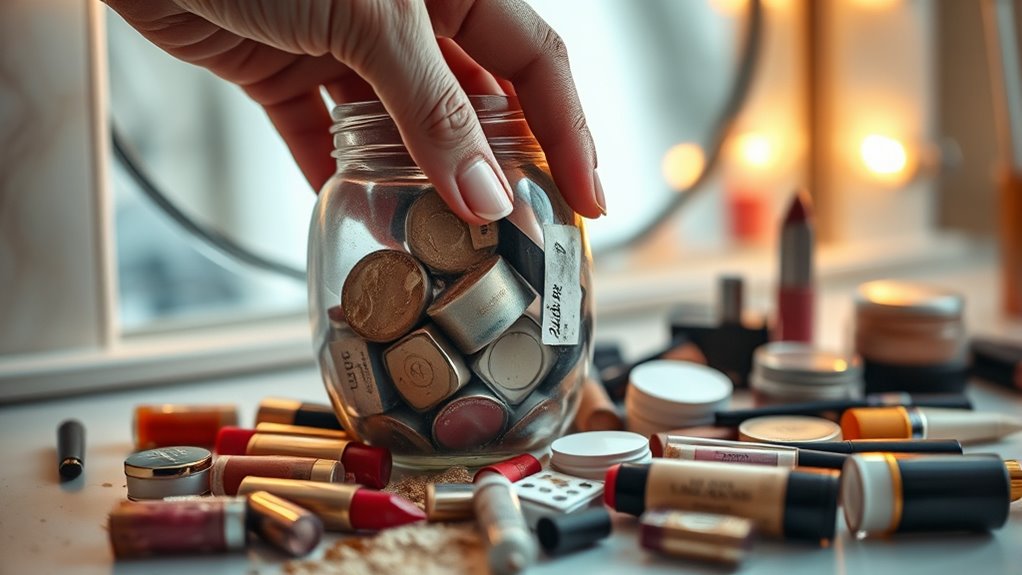
When you notice that your makeup has spoiled, proper disposal becomes important to protect your skin and the environment. Start by researching environmentally friendly disposal methods, such as cosmetic recycling programs, which safely break down or repurpose expired products.
Proper disposal of expired makeup protects skin and the environment.
If recycling isn’t available, dispose of makeup in accordance with local waste regulations—usually by sealing containers to prevent leaks and contamination. Avoid flushing cosmetics down the drain or throwing them in regular trash, as this can harm ecosystems or expose others to bacteria.
Consider using designated collection bins for expired makeup at beauty stores or recycling centers. By following these disposal methods, you help reduce environmental impact and prevent potential skin irritation from using expired products.
Proper disposal is a responsible step toward safe makeup habits.
Tips for Extending the Longevity of Your Makeup

To make your makeup last longer, focus on proper storage, like keeping products in a cool, dry place away from sunlight.
Regularly cleaning your brushes and containers prevents bacteria buildup that can spoil your makeup faster.
Also, learn to spot signs of expiration, such as changes in texture, smell, or color, so you know when it’s time to replace your products.
Proper Storage Techniques
Proper storage is essential for keeping your makeup safe and effective. When you organize your cosmetics well, you prevent contamination and extend their lifespan.
Start by keeping products in a cool, dry place away from direct sunlight, which can degrade formulas. Use a dedicated cosmetic shelf organization to keep items neat and accessible.
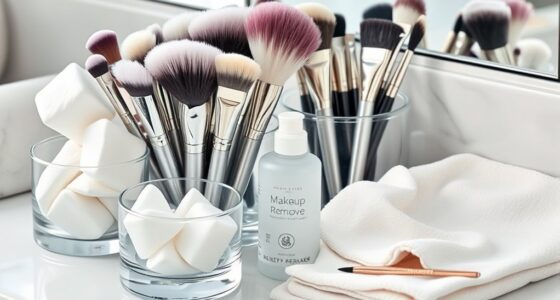
Regularly practicing makeup brush maintenance prevents bacteria buildup and maintains brush quality. Store liquid products upright to minimize leaks and evaporation.
Ensure lids are tightly closed after each use to keep formulas fresh. Avoid overcrowding your storage area, allowing proper airflow around your products.
These simple steps help preserve your makeup’s integrity, saving you money and reducing waste while keeping your skin safe.
Regular Product Cleaning
Regularly cleaning your makeup products is one of the best ways to extend their lifespan and keep your skin safe. Keep your tools and products fresh by washing makeup brushes regularly with gentle soap or brush cleaner. Using sanitizer on applicators and surfaces helps eliminate bacteria that can cause breakouts or infections. Imagine this setup:
| Clean Tools | Sanitized Surfaces |
|---|---|
| Soft makeup brushes | Mirror and palette cases |
| Sponges and applicators | Lipstick tubes and compacts |
| Brush cleaners | Makeup bags and containers |
| Blush and eyeshadow palettes | Foundation bottles |
| Eyelash curlers | Cosmetic brushes |
Consistent cleaning prevents product buildup, prolongs usability, and reduces skin irritation. Make it a habit to sanitize and wash your makeup tools and surfaces to keep your makeup safe and effective.
Recognizing Expiration Signs
Knowing how to spot the signs that your makeup is expiring can save your skin from irritation and infections. Over time, chemical changes and microbial growth can compromise your products, making them unsafe.
Watch for these expiration signs to extend your makeup’s lifespan and protect your skin:
- Unpleasant odor or change in scent
- Clumpy or separated texture
- Changes in color or pigmentation
- Drying out or cracking
- Excessive microbial growth, like visible bacteria or mold
These indicators suggest your makeup has gone past its prime and may pose risks.
Regularly inspecting your products helps prevent potential skin issues caused by expired makeup, ensuring you enjoy safe, beautiful application every time.
The Risks of Using Expired Makeup
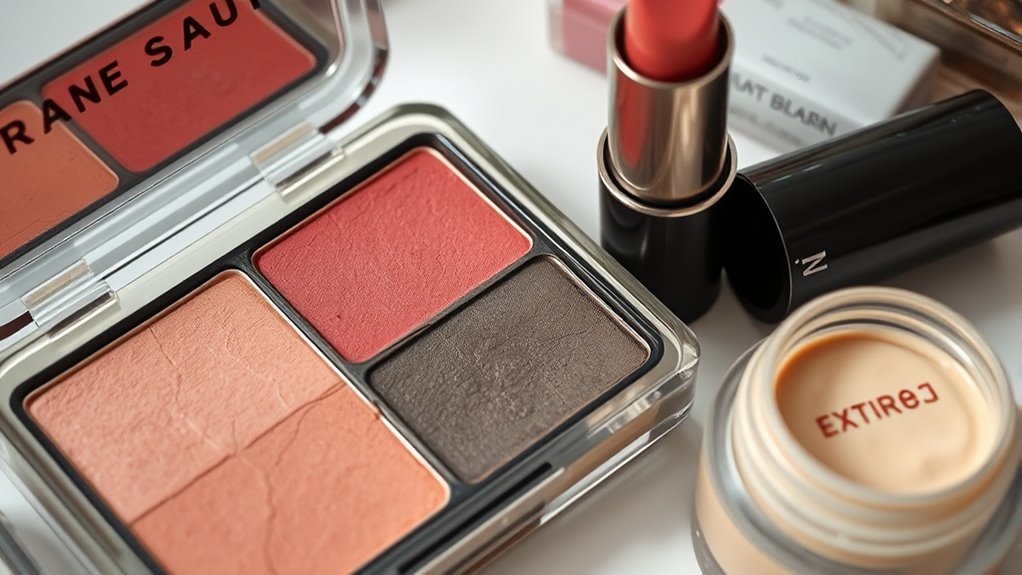
Using expired makeup can pose serious health risks you mightn’t realize. Over time, the ingredients in your products break down chemically, leading to changes in texture, scent, and effectiveness. This chemical breakdown can cause skin irritation or allergic reactions, especially if your skin is sensitive.
Expired makeup is also more likely to harbor bacteria, fungi, or mold, increasing the chance of infections. Applying contaminated products can result in redness, swelling, or even more severe skin issues.
Additionally, the compromised integrity of expired makeup may make it less effective at providing the desired look, prompting you to apply more, which further increases your risk.
To stay safe, always check expiration dates and discard products that show signs of aging or unusual changes.
When to Consult a Dermatologist About Makeup Concerns
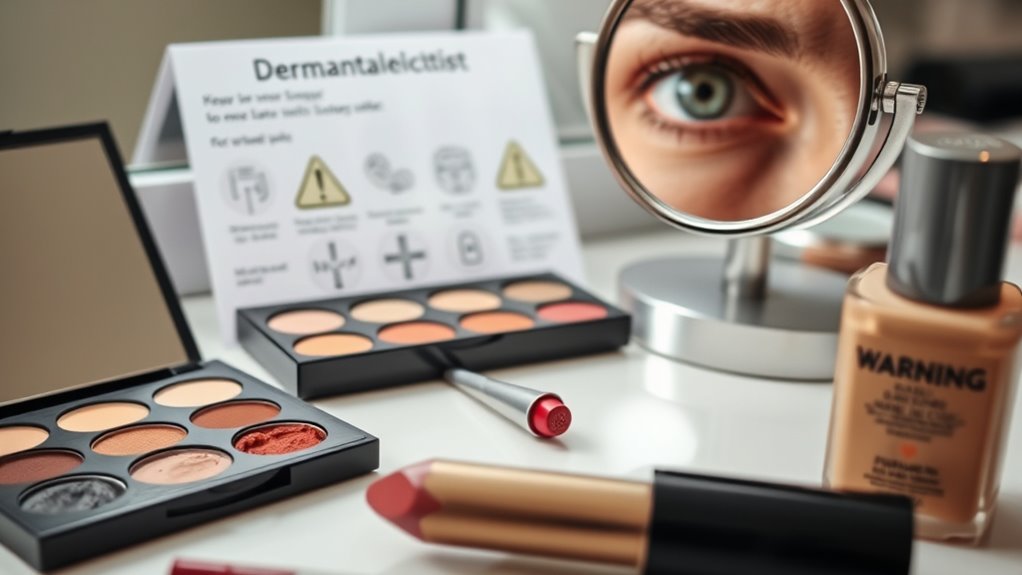
If you notice persistent redness, swelling, or itching after applying makeup, it’s important to see a dermatologist promptly. These allergy symptoms or skin irritation might indicate an allergic reaction or contaminated products. Don’t ignore ongoing discomfort, as it could worsen or signal underlying issues.
Consult a dermatologist if you experience:
- Prolonged or severe skin irritation
- Persistent allergy symptoms like hives or burning
- Unusual redness or swelling that doesn’t fade
- New or worsening skin lesions
- Reactions after switching makeup products or brands
Seeking professional advice helps identify allergies, sensitivities, or infections early. A dermatologist can recommend suitable treatments, patch testing, or allergy management strategies. Your skin’s health is worth expert attention when makeup causes ongoing or severe reactions.
Keeping Your Makeup Bag Safe and Organized
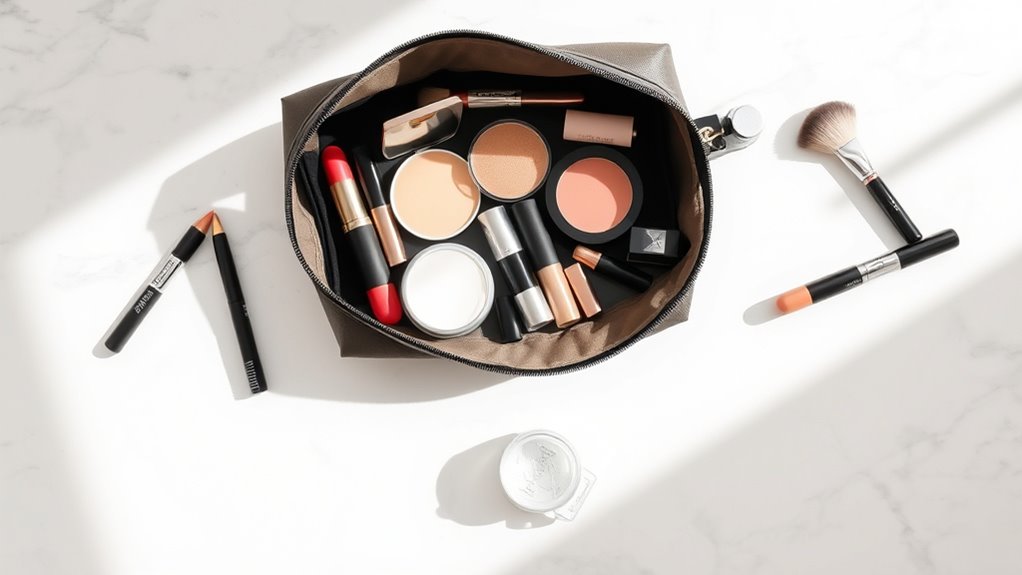
Keeping your makeup bag safe and organized is essential to prevent contamination and extend the lifespan of your products. Good makeup hygiene involves regularly cleaning your brushes and replacing old products.
Using effective storage solutions, like airtight containers or labeled compartments, helps keep everything tidy and minimizes bacteria buildup. Avoid overcrowding your bag, which can cause products to break or become contaminated.
Keep items in a cool, dry place away from sunlight to preserve their quality. Regularly check expiration dates and discard expired or unused products.
When organizing, separate different types of makeup—such as brushes, lipsticks, and powders—to make everything easily accessible. Staying diligent with hygiene and smart storage keeps your makeup safe, hygienic, and ready for your next beauty routine.
Frequently Asked Questions
Can Expired Makeup Cause Skin Infections?
Yes, expired makeup can cause skin infections because it’s prone to makeup contamination and bacteria growth over time. When you use expired products, you risk introducing harmful bacteria to your skin, which can lead to breakouts or infections.
To protect yourself, regularly check expiration dates, avoid sharing makeup, and replace products when they’re past their prime. Staying vigilant helps keep your skin healthy and safe.
Are Natural or Organic Makeup Products Safer After Expiration?
Natural or organic makeup products aren’t automatically safer after expiration, but they often contain fewer artificial chemicals. However, they still can spoil, especially if they lack strong preservatives.
Products with natural preservatives and organic ingredients may have a shorter shelf life and are more prone to bacterial growth once expired. Always check for changes in texture, smell, or color, and discard them if you notice any signs of spoilage.
How Do I Properly Clean Makeup Brushes to Prevent Contamination?
You should regularly clean your makeup brushes through proper brush sterilization to prevent contamination. To do this, wash your brushes with gentle brush cleaner or mild soap, rinse thoroughly, and let them air dry completely.
Maintain a consistent cleaning frequency—at least once a week—to keep bacteria at bay, preserve brush quality, and guarantee your skin stays healthy. Proper cleaning and regular sterilization are key to safe, beautiful makeup application.
Do Makeup Expiration Dates Vary by Brand or Formula?
Yes, makeup expiration dates can vary by brand and formula. Some brands use preservatives that extend shelf life, while natural or organic formulas may expire sooner.
Always check the packaging for specific dates, but keep in mind that formulas with different ingredients may degrade at different rates.
You should also pay attention to changes in texture, smell, or color, which can signal that your makeup is past its prime.
Is It Safe to Use Expired Makeup on Sensitive Skin?
They say, “A stitch in time saves nine,” and that’s true for makeup too. Using expired makeup on sensitive skin isn’t safe because makeup longevity and ingredient stability decline over time, increasing irritation or infection risks.
Even if it looks fine, the breakdown of ingredients can cause reactions. To keep your skin healthy, it’s best to replace expired products regularly, especially if your skin is sensitive.
Conclusion
Staying mindful of your makeup’s expiration dates keeps your skin safe and healthy. While it might seem like a hassle, replacing products when needed prevents breakouts and infections. Think of it as investing in your skin’s wellbeing, not just convenience. Remember, a little effort now can save you from bigger skin issues later. Prioritize safety—your skin will thank you for it. After all, healthy skin is always in style.
Fall Picks
fall essentials
As an affiliate, we earn on qualifying purchases.