
TL;DR

Turn your wind-down time into listening time
- Thousands of audiobooks, podcasts and originals
- Listen on your phone, tablet or Echo — also offline
- Cancel anytime
A Seniors Guide article published November 2, 2026, lists five ways families can personalize a loved one’s assisted living space, from bringing familiar belongings to arranging items within easy reach. The suggestions are practical guidance, not a reported study, and the article does not establish how much these changes affect residents’ well-being.
Seniors Guide published a five-tip guide on November 2, 2026, describing ways families can personalize an assisted living space, including bringing familiar belongings, improving comfort and keeping everyday items accessible. The advice is aimed at easing the move into unfamiliar surroundings, but the article offers recommendations rather than new research measuring their effects.
The report, by Terri L. Jones, presents suggestions for people moving to a senior apartment, nursing home or another unfamiliar setting. It says a move can involve leaving a familiar home and concerns about independence and privacy. The article cites interior design project manager Julia Bailey, of Denver-based OZ Architecture, on how thoughtful design may support residents’ well-being and the practical use of their new space.
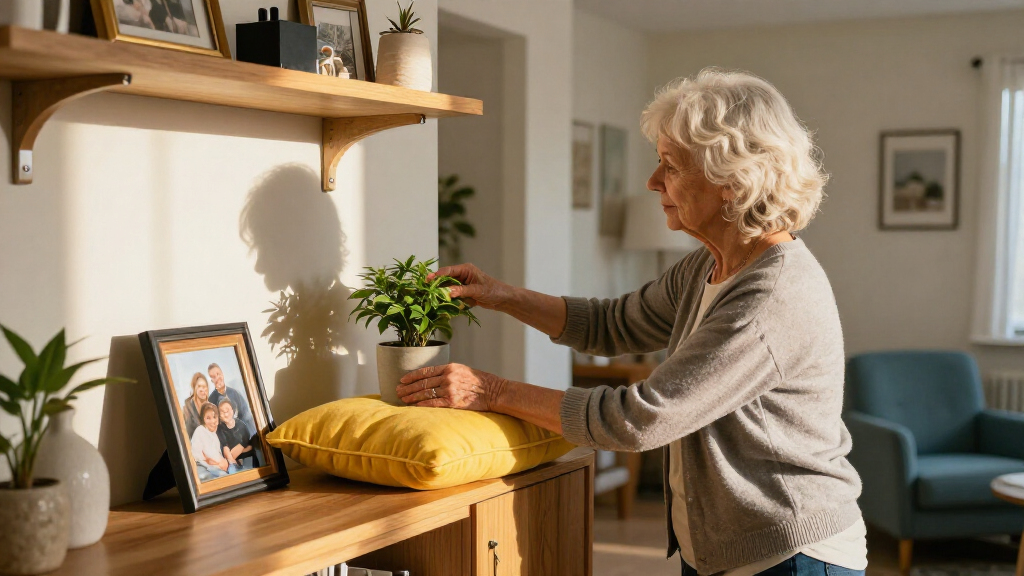
Its five recommendations are to bring items that feel like home, add cozy touches, consider plants, arrange belongings for easy access, and set aside room for socializing. Examples include family photographs, artwork and a favorite chair; lamps and soft furnishings; a plant suited to the resident’s ability and setting; keeping a phone and reading materials close by; and creating a comfortable place for visits or hobbies.
The article says families should let older adults choose which possessions to bring and where to put them. For residents with dementia, it notes that some memory care facilities suggest shadow boxes containing mementos. It also advises avoiding overfilled closets and drawers. No specific community rules, room dimensions or safety assessments are supplied, so families may need to check what is permitted and appropriate for an individual resident.
Making a New Room Feel Familiar
The move into assisted living can change a person’s daily routines and surroundings at once. The report’s suggestions focus on giving residents some control over the new space and preserving recognizable parts of home, while also making useful items easier to reach. That may be relevant to families planning a move, especially when a loved one feels unsettled by leaving a long-familiar home.
Personalization also has practical limits: belongings and furniture must fit the room and work with the resident’s needs. The guide points to accessibility and opportunities for visits alongside decoration, framing the space as a place for both daily activities and social contact. It does not claim these changes replace individualized care or establish a guaranteed benefit.
Products Worth Considering

Levoit Vital 100S-P Air Purifier with Washable Pre-Filter

Levoit Core 400S-P Smart Air Purifier for Large Rooms (Up to 1,718 sq ft)

Oura Ring 5 Smart Ring – Stealth, Size 11
As an affiliate, we earn on qualifying purchases.
Advice Updated From a 2022 Article
Seniors Guide identifies the item as originally published in May 2022, with the supplied report dated November 2, 2026. Its recommendations draw on comments attributed to professionals in senior living and interior design, including Bailey, Commonwealth Senior Living’s Kristy Ruppe Craddock, and United Hebrew of New Rochelle president and CEO Rita Mabli. The report also references guidance from Unlimited Care Cottages.
The material is a practical article, not a formal study, regulatory standard or assessment of a particular assisted living community. It offers broad ideas for apartments and other care settings rather than instructions tailored to a resident’s health, mobility, cognitive needs or facility policies.
““Those things should come with you.””
— Kristy Ruppe Craddock, chief sales and marketing officer at Commonwealth Senior Living, as quoted in the report
Limits of the Personalization Advice
The report does not cite research quantifying whether its five suggestions reduce distress or improve well-being, nor does it compare outcomes among residents. Its claims about potential benefits are presented as professional guidance, not as measured results. It also does not specify whether every facility permits particular furnishings, plants or room arrangements.
What works for an individual resident will depend on their preferences, abilities and care setting. The article does not assess fall risks, allergies, upkeep needs or other personal considerations for specific items; families should check with the resident and the facility before making changes.
Planning the Room With the Resident
The article does not announce a policy change, research follow-up or scheduled next step. For families preparing a move, its practical next steps are to ask the resident which belongings matter most, check the facility’s guidelines, and plan where frequently used items and seating will go. The arrangement can be revisited after move-in as the resident settles into the space and identifies what is comfortable and useful.
Key Questions
What are the five ways to personalize an assisted living space?
The report recommends bringing familiar belongings, adding cozy touches, considering plants, keeping needed items accessible and creating a space for visits or shared activities.
Should the resident choose what comes with them?
Yes. The article recommends letting the older adult select personal items to bring and decide where to place them, when possible.
What does the report suggest for a resident with dementia?
It says some memory care facilities suggest families prepare a shadow box with mementos. The report does not claim this is suitable for every resident or facility.
Are these recommendations based on a study?
The supplied article presents professional advice and practical suggestions; it does not cite a study measuring the effects of the five tips.
Should families check with the assisted living community first?
Yes. The article does not list facility-specific rules, so families should confirm what furnishings, plants and room changes are allowed and appropriate.
Source: seniorsguide.com