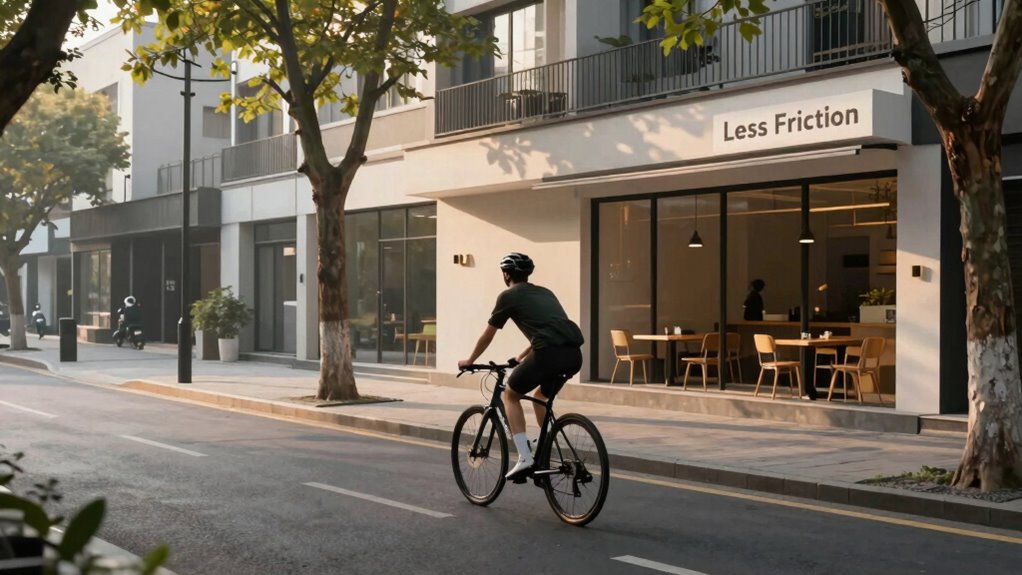
The “Less Friction” lifestyle is all about simplifying your digital interactions to make life easier and more intentional. You’ll focus on reducing app clutter, notifications, and digital distractions, enabling seamless experiences that fit effortlessly into your routine. This trend encourages you to prioritize clarity, usability, and meaningful connections, helping you reclaim time and energy. Embracing these changes leads to less stress and more purpose — and there’s plenty more to discover about making this shift smoothly.

Turn your wind-down time into listening time
- Thousands of audiobooks, podcasts and originals
- Listen on your phone, tablet or Echo — also offline
- Cancel anytime
Key Takeaways
- Increasing focus on digital minimalism reduces app clutter and notifications to enhance purposeful device use.
- Seamless integrations in technology simplify routines, minimizing effort and friction in daily interactions.
- Design principles prioritize intuitive interfaces, making digital tools easier and more enjoyable to adopt.
- Consumers favor brands offering user-friendly, frictionless onboarding and interconnected smart devices.
- A mindset shift toward intentional living emphasizes effortless experiences to reduce stress and boost clarity.

In today’s fast-paced world, people are increasingly seeking ways to simplify their lives, and the “less friction” lifestyle trend is at the forefront of this shift. You want tasks to be easier, smoother, more intuitive. This desire fuels a movement toward digital minimalism—cutting down on cluttered apps, notifications, and digital distractions so your devices serve you, not overwhelm you. It’s about decluttering your digital environment, focusing only on what truly matters, and eliminating unnecessary complexity. When you embrace digital minimalism, your digital interactions become more purposeful, allowing you to spend less time managing tech and more time on activities that bring genuine value.
At the core of this movement is the pursuit of seamless experiences. You’re looking for technology and services that integrate effortlessly into your daily routines, minimizing the effort needed to accomplish tasks. Whether it’s a smartphone that unlocks instantly with facial recognition or a payment app that completes transactions with a single tap, these seamless experiences remove friction points that slow you down. You start to notice how much energy is wasted on navigating complicated processes, and naturally, you seek alternatives that simplify. As a result, your interactions with technology become more intuitive and less burdensome, freeing you from the frustration of glitches, long loading times, or confusing interfaces. This trend is also driven by the desire for user-centric design, which prioritizes the needs and preferences of the user to enhance overall satisfaction. Incorporating digital simplicity into your daily life helps you maintain focus and reduces mental clutter. Recognizing the importance of intuitive interfaces can significantly enhance your experience and reduce the friction involved in learning new systems. When digital tools are designed with usability in mind, it becomes easier to adapt and integrate them into your routines seamlessly.
Seamless tech integrations effortlessly simplify routines, freeing you from frustration and making interactions more intuitive and stress-free.
This trend extends beyond gadgets and apps. You’re increasingly drawn to brands and services that prioritize user-friendly design and frictionless onboarding. For example, subscription services that automatically renew or smart home devices that work together seamlessly without constant tinkering. The goal isn’t just convenience but creating a flow that feels natural and effortless. You begin to appreciate how these small improvements contribute significantly to your overall mental clarity and productivity. Less friction means less stress, fewer interruptions, and more space for creativity and reflection.
As you adopt this “less friction” mindset, you’re also becoming more intentional about how you spend your time and energy. You’re less inclined to chase after every new gadget or app and more focused on those that genuinely enhance your life. This shift towards digital minimalism and seamless experiences ultimately helps you reclaim control over your daily routines, making life smoother and more manageable. It’s a quiet revolution—less about flashy tech and more about meaningful, effortless interactions that let you live more intentionally and with less hassle.
digital minimalism app organizer
As an affiliate, we earn on qualifying purchases.
As an affiliate, we earn on qualifying purchases.
Frequently Asked Questions
How Can I Start Adopting a Less Friction Lifestyle?
You can start adopting a less friction lifestyle by streamlining routines and minimizing commitments. Simplify your daily tasks by creating efficient systems, like automated bill payments or preset meal plans. Cut back on unnecessary obligations, focusing only on what truly matters. This approach reduces stress and frees up time, allowing you to enjoy a smoother, more intentional life. Small changes make a big difference in making everyday living easier and more fulfilling.
What Are Common Challenges When Reducing Daily Friction?
Reducing daily friction often feels challenging because automation efficiency can sometimes backfire, creating new complexities. You might struggle with technology simplicity, as new tools can be confusing or require significant setup. Resistance from habits or unfamiliarity also slows progress. To overcome this, focus on choosing intuitive tools, gradually automating routines, and staying patient through the learning curve. Embracing small, consistent changes makes friction reduction more manageable and sustainable.
Does a Less Friction Lifestyle Save Money?
Yes, a less friction lifestyle can save you money. By adopting cost-saving strategies like automating bills and shopping smarter, you reduce unnecessary expenses. Convenience enhancements, such as streamlined services and digital tools, cut down on time and effort, which often leads to lower costs. When you simplify routines and minimize hassle, you naturally avoid impulsive buys and late fees, ultimately boosting your savings and making your budget stretch further.
How Does This Trend Impact Mental Health?
This trend boosts your mental health by reducing stress and promoting cognitive ease. When you simplify routines and cut out unnecessary obstacles, you experience less daily frustration and anxiety. It’s easier to focus and stay present, which helps prevent burnout. By embracing less friction, you create a calmer, more manageable life, allowing your mind to relax and recover. Overall, this approach fosters better emotional resilience and a healthier mindset.
Are There Specific Demographics Most Interested in This Trend?
You’re likely to be most interested in this trend if you belong to younger generations like Millennials and Gen Z, who prioritize convenience and simplicity. Generational preferences lean toward streamlined digital experiences, and technological accessibility plays a big role. If you value reducing daily stress and making life easier, you’ll naturally gravitate toward the “less friction” lifestyle, which emphasizes seamless, tech-driven solutions that fit effortlessly into your routine.
As an affiliate, we earn on qualifying purchases.
Conclusion
Embracing the “less friction” lifestyle means simplifying your daily routines to remove unnecessary obstacles. Imagine switching to a single app that manages your bills, appointments, and grocery shopping—saving you time and mental clutter. Like Sarah, who streamlined her mornings by automating her coffee and wardrobe choices, you can enjoy more peace and freedom. By cutting out friction, you create space for what truly matters, making life smoother and more fulfilling every day.
As an affiliate, we earn on qualifying purchases.
As an affiliate, we earn on qualifying purchases.
Fall Picks
fall essentials
As an affiliate, we earn on qualifying purchases.