
TL;DR

Turn your wind-down time into listening time
- Thousands of audiobooks, podcasts and originals
- Listen on your phone, tablet or Echo — also offline
- Cancel anytime
The FDA has approved the first wearable device that continuously monitors ketone and blood sugar levels. This development could improve diabetes management and patient monitoring, though some details remain under review.
The U.S. Food and Drug Administration (FDA) has approved the first wearable device capable of continuously monitoring both ketone and blood sugar levels. This device, developed by a medical technology company, aims to enhance diabetes management by providing real-time data to users and healthcare providers. The approval marks a significant milestone in diabetes care technology, offering a non-invasive alternative to traditional blood tests and urine analysis.
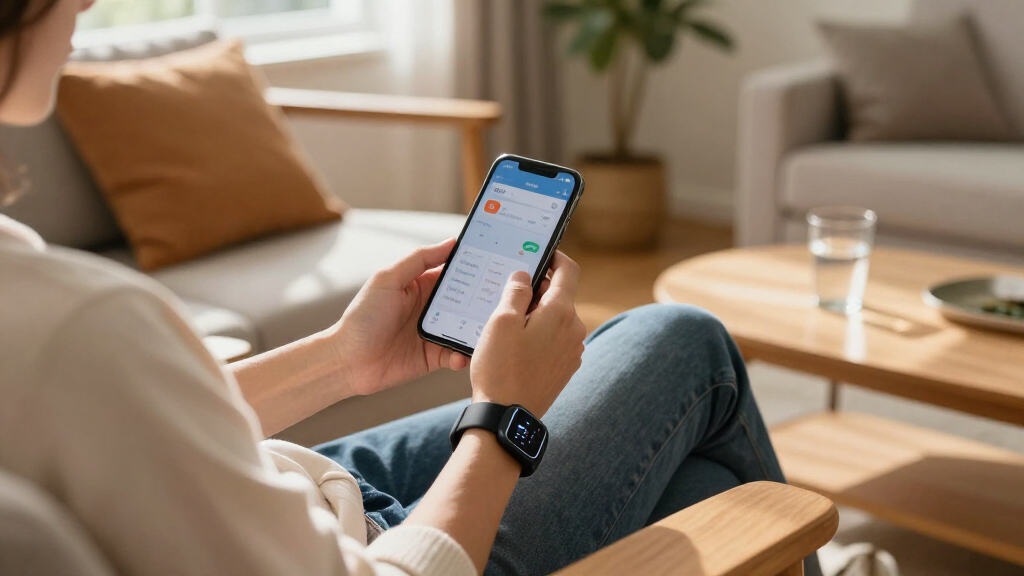
The device, named Ketosense, is designed to be worn on the arm and uses innovative sensors to measure ketone and glucose levels through the skin. According to the FDA, this marks the first time a wearable has received approval for dual monitoring of these critical biomarkers in a continuous, non-invasive manner. The device transmits data wirelessly to a smartphone app, allowing users to track their levels throughout the day and receive alerts if readings indicate potential health risks.
The FDA’s approval was based on clinical trials involving over 500 participants with type 1 and type 2 diabetes, demonstrating the device’s safety and accuracy. The trials showed that Ketosense’s readings correlated closely with traditional blood tests, with a margin of error within acceptable clinical limits. The device is intended for use by adults, with plans for future studies on pediatric applications.
Health authorities and medical professionals have expressed cautious optimism about the device’s potential to improve disease management and prevent complications associated with uncontrolled blood sugar and ketone levels, such as diabetic ketoacidosis and hypoglycemia. The manufacturer states that the device will be available for commercial use within the next six months, pending distribution agreements and insurance coverage negotiations.
Implications for Diabetes Management and Patient Care
This approval signifies a notable advancement in personalized, real-time health monitoring for individuals with diabetes. By providing continuous, non-invasive data on both ketone and blood sugar levels, the device could enable earlier intervention, reduce emergency hospitalizations, and improve overall disease control. Healthcare providers may also benefit from more comprehensive data to tailor treatments and adjust medications more precisely. However, experts caution that integration into routine care will require further validation and user training.
wearable device for blood sugar and ketone monitoring
As an affiliate, we earn on qualifying purchases.
As an affiliate, we earn on qualifying purchases.
Emergence of Wearable Technologies in Diabetes Care
Wearable health devices have increasingly become part of mainstream medical management, especially for chronic conditions like diabetes. Prior to this, continuous glucose monitors (CGMs) have been available for several years, but they do not measure ketones, which are crucial during episodes of diabetic ketoacidosis or nutritional ketosis. The development of dual-monitoring devices has been a goal within the industry for some time, driven by advances in sensor technology and miniaturization.
The FDA’s approval of Ketosense follows several years of research and smaller pilot studies. Previous efforts to develop non-invasive ketone monitors faced technical challenges, but recent innovations have made such devices more feasible. This approval could pave the way for broader adoption of multi-parameter wearables in managing other metabolic conditions.
“This is a groundbreaking step toward more comprehensive, non-invasive management of diabetes. We believe Ketosense will empower patients to take better control of their health in real time.”
— Dr. Lisa Monroe, chief medical officer at the device manufacturer
continuous glucose and ketone monitor
As an affiliate, we earn on qualifying purchases.
As an affiliate, we earn on qualifying purchases.
Unanswered Questions About Long-Term Use and Accessibility
While the device has demonstrated accuracy in clinical trials, it is not yet clear how well it performs in everyday, long-term use outside of controlled environments. Details about durability, user adherence, and data privacy are still emerging. Additionally, questions remain about insurance coverage, cost, and accessibility for diverse patient populations, especially those in underserved areas.
non-invasive diabetes management device
As an affiliate, we earn on qualifying purchases.
As an affiliate, we earn on qualifying purchases.
Next Steps for Clinical Adoption and Broader Testing
Following FDA approval, the manufacturer plans to initiate broader post-market surveillance and gather real-world data to confirm long-term safety and effectiveness. Regulatory agencies may also review additional applications, including pediatric use and integration with other health monitoring systems. Healthcare providers will likely begin training on device implementation, and insurance companies will evaluate coverage options. The device could become part of standard diabetes management within the next year, pending further validation.
dual biomarker wearable for diabetes
As an affiliate, we earn on qualifying purchases.
As an affiliate, we earn on qualifying purchases.
Key Questions
How does the device measure ketone and blood sugar levels non-invasively?
The device uses advanced sensors that analyze skin interstitial fluid to estimate levels of ketones and glucose without drawing blood. These sensors transmit data wirelessly to a smartphone app for real-time monitoring.
Is the device suitable for all types of diabetes?
The device has been approved for use by adults with type 1 and type 2 diabetes. Further studies are planned to assess its safety and efficacy in pediatric populations.
Will insurance cover the cost of this wearable device?
Insurance coverage is still under discussion. The manufacturer is negotiating with insurers, and coverage will likely vary depending on the provider and patient eligibility.
Can the device replace traditional blood tests?
While the device provides continuous, real-time data, it is intended to complement, not replace, traditional blood tests. Healthcare providers may still require blood tests for confirmation and treatment adjustments.
What are the potential limitations of the device?
Potential limitations include accuracy variability in different skin types, battery life, and user adherence. Long-term durability and data privacy are also areas under review.
Source: hn
Halloween Picks
halloween
As an affiliate, we earn on qualifying purchases.