
TL;DR
The FDA has released new findings on metals in tampons, prompting increased awareness of menstrual product safety. This article reviews available options, safety tips, and what consumers should know.
The U.S. Food and Drug Administration (FDA) has published new findings indicating the presence of metals in some tampon products, raising concerns about safety and prompting calls for increased consumer awareness. These findings are significant as millions of people who menstruate rely on these products daily, and understanding safe use is critical.
The FDA’s recent analysis identified trace amounts of metals such as aluminum, nickel, and lead in certain tampon brands. The agency clarified that these levels are generally below thresholds considered harmful, but emphasized the importance of ongoing monitoring and research. Manufacturers are now reviewing their products to ensure compliance with safety standards.
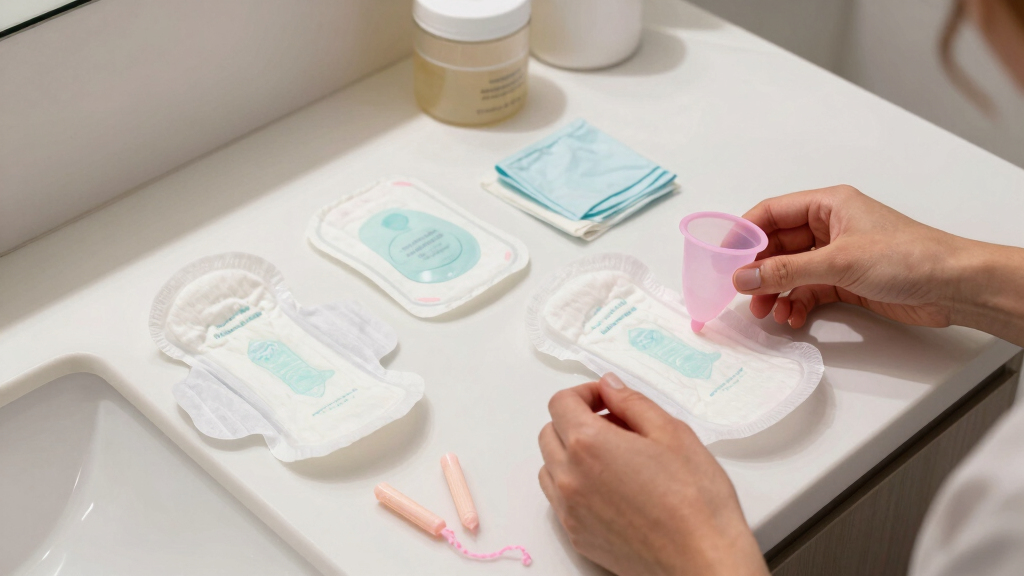
Menstrual products include a variety of options such as tampons, pads, menstrual cups, and period underwear. Each has different safety profiles, usage instructions, and environmental impacts. Experts recommend consumers choose products suited to their needs, following proper usage guidelines to minimize risks.
Health professionals note that while the presence of metals in tampons has not yet been linked to adverse health effects, continued research is necessary. Consumers are advised to follow product instructions carefully, change tampons regularly, and consider alternative options if concerned about safety.
Implications of FDA Findings for Menstrual Product Safety
This development matters because it highlights the importance of product transparency and safety monitoring in menstrual health. While current levels of metals are considered safe by the FDA, the findings may influence consumer choices and regulatory policies. Increased awareness can lead to better product standards, potentially reducing health risks and improving trust in menstrual products.
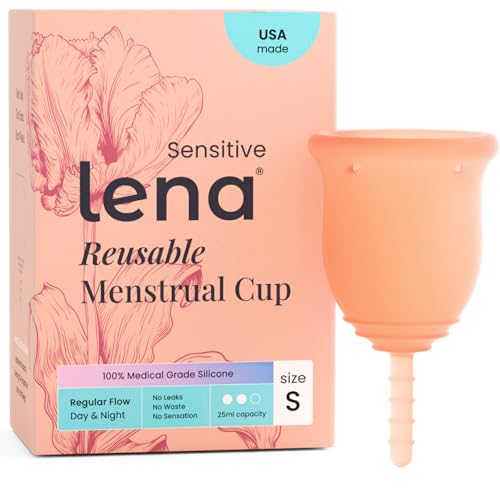
Lena Sensitive Menstrual Cup – Small – Ultra-Soft Reusable Silicone Period Cup for Sensitive Anatomy, 12-Hour Comfort, Gentle and Leak-Free Protection (LENA-COR-S)
ULTRA-SOFT MENSTRUAL CUP FOR SENSITIVE ANATOMY: The Lena Sensitive Cup is a premium, soft menstrual cup designed for…
As an affiliate, we earn on qualifying purchases.
As an affiliate, we earn on qualifying purchases.
Background on Menstrual Product Safety and Regulations
Menstrual products have been widely used for decades, with regulation primarily overseen by the FDA in the United States. Past concerns have centered on chemical additives, environmental impact, and hygiene. The recent FDA report on metals follows previous investigations into product safety, emphasizing the need for ongoing scrutiny. Manufacturers have historically been required to meet safety standards, but new findings suggest continuous review is necessary to ensure consumer protection.
“The levels of metals detected in some tampon products are below levels of concern, but we remain committed to ongoing surveillance and safety improvements.”
— FDA spokesperson

Rael Pads for Women, Organic Cotton Cover – Moderate Absorbency, Feminine Care, Ultra Thin, Sanitary Napkins with Wings, Unscented (Regular, 56 Total)
SUPER ABSORBENT CORE – Our ultra-premium, pillowy pad provides ultimate comfort and protection. Helps reduce leaks and sustains…
As an affiliate, we earn on qualifying purchases.
As an affiliate, we earn on qualifying purchases.
Unanswered Questions About Metal Levels and Long-Term Effects
It remains unclear whether long-term exposure to trace metals in tampons could pose health risks, especially for sensitive populations. The FDA’s current findings are based on limited data, and further research is needed to determine if certain brands or usage patterns increase potential risks. The full impact of these metals over extended periods has not yet been established.

Daye Organic Tampons Regular | 18ct | Pesticide & Metal Tested, 100% Organic Cotton, Best Absorbency | No-Shed Sleeve, Sugarcane Applicator
Experience Exceptional Purity & Performance – Choose pure confidence with Daye Organic Tampons. Crafted from 100% certified organic…
As an affiliate, we earn on qualifying purchases.
As an affiliate, we earn on qualifying purchases.
Next Steps in Monitoring and Consumer Guidance
The FDA is expected to continue evaluating menstrual products and releasing updated safety assessments. Manufacturers are reviewing their products to ensure compliance, and health authorities may issue new guidance for consumers. Researchers plan to conduct more comprehensive studies to clarify long-term safety, and advocacy groups are calling for greater transparency and regulation.

Hanes Women's Comfort, Period. Briefs, Super Leak Post-Partum & Period Underwear, 3-Pack
GET REIMBURSED, FSA/HSA/HRA ELIGIBLE – Period underwear is covered by Flexible Spending Arrangement (FSA), Health Savings Account (HSA),…
As an affiliate, we earn on qualifying purchases.
As an affiliate, we earn on qualifying purchases.
Key Questions
Are tampons unsafe to use now?
Currently, the FDA states that the levels of metals found in some tampons are below levels of concern. However, consumers should follow usage instructions carefully and stay informed about ongoing research and updates.
What alternatives exist if I am worried about metals in tampons?
Alternatives include menstrual cups, pads, and period underwear, which generally have different safety profiles. Consulting with a healthcare provider can help determine the best option for individual needs.
How can I reduce potential risks when using tampons?
Follow the product’s instructions, change tampons regularly (at least every 4-8 hours), and consider switching to different types or brands if you have concerns about safety or experience discomfort.
Will there be new regulations for menstrual products?
The FDA is reviewing current standards and may introduce new regulations or safety requirements based on ongoing research and findings from recent reports.
Source: google-trends