
TL;DR

Turn your wind-down time into listening time
- Thousands of audiobooks, podcasts and originals
- Listen on your phone, tablet or Echo — also offline
- Cancel anytime
Adult coloring books may offer short-term stress relief by redirecting focus and calming the mind. Choosing the right designs and tools makes the experience more enjoyable and effective as a leisure activity.
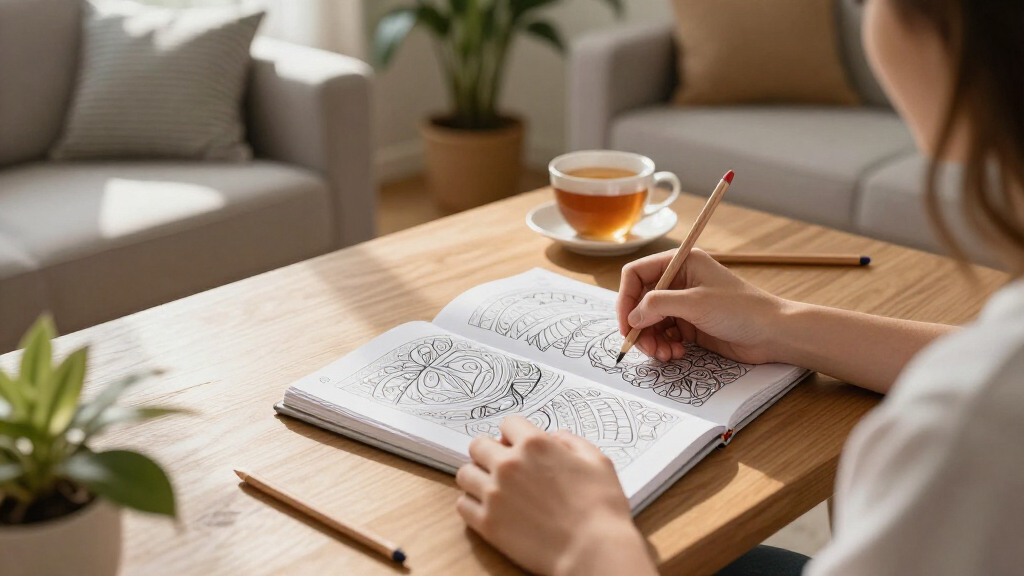
Imagine a quiet evening, soft light filtering through the window, a fresh set of colored pencils waiting. You open a coloring book filled with swirling mandalas or cozy scenes and let your mind drift into the simple act of filling shapes with color. That peaceful, almost meditative moment can do more than just pass the time—it can help ease the weight of stress.
Adult coloring books have surged in popularity because they’re an easy, accessible way to carve out calm in a busy life. No need for fancy skills or expensive equipment—just a few minutes, some colors, and a quiet space. In this guide, you’ll learn what makes a coloring book truly relaxing, how to pick the best tools, and practical ways to incorporate coloring into your stress-busting routine.
Choose designs that match your skill level and mood—simple shapes for quick relaxation, intricate patterns for longer, focused sessions.
Use thick, bleed-proof paper and single-sided pages to prevent frustration and protect your artwork.
Set a specific, quiet time and space for coloring—10 to 30 minutes can make a noticeable difference.
Don’t worry about perfection—enjoy the process and focus on the calming act of coloring itself.
Stay open to new trends like mindfulness prompts or digital apps to keep your routine fresh and engaging.
What makes adult coloring books good for calming down?
Adult coloring books tap into your natural desire for order and creativity. The best ones feature designs that strike a balance—complex enough to hold your attention, but not so intricate that they cause frustration. Think of a sprawling mandala or a lush botanical scene with big, inviting shapes.
When you focus on coloring, your brain shifts away from worries and onto a simple task—filling in the lines. This process can create a calming effect, similar to meditation, by helping you stay present. For example, a person might find that coloring a large, bold sunflower calms their racing thoughts after a stressful day.
Research suggests that structured activities like coloring can temporarily boost mood and reduce anxiety. However, responses vary—some find it deeply relaxing, others see only a mild boost. That’s why choosing the right images and setting is key.
Furthermore, the choice of design impacts the depth of relaxation. More repetitive, symmetrical patterns like mandalas encourage a meditative focus, allowing the mind to enter a flow state that can diminish stress. Conversely, overly complex or chaotic designs might increase frustration, defeating the calming purpose. Understanding these nuances helps you select images that truly serve your relaxation needs.
adult coloring books for stress relief
As an affiliate, we earn on qualifying purchases.
As an affiliate, we earn on qualifying purchases.
How to pick a coloring book that actually helps you chill out
Not all coloring books are created equal. Here’s what to look for:
- Design complexity: Beginners might prefer large, simple shapes, while experienced colorers can handle detailed mandalas or intricate patterns. Recognizing your skill level helps prevent frustration and encourages sustained engagement, which is essential for stress relief. Overly complicated images can lead to feelings of inadequacy or fatigue, while overly simplistic ones might not hold your interest long enough to be beneficial.
- Paper quality: Thick, bleed-proof pages prevent markers from ruining the next design and make coloring more enjoyable. Good paper quality also reduces the risk of tearing or warping, which can disrupt your focus and diminish the calming experience. Investing in quality paper supports longer, more satisfying coloring sessions.
- Single-sided pages: Protect the artwork and allow you to display finished pages without ruining others. This feature also provides flexibility—if you make a mistake or want to try a different medium, you can do so without affecting other images. It emphasizes the importance of creating a stress-free environment where mistakes don’t add to your anxiety.
- Theme and subject matter: Nature scenes, animals, or abstract patterns can evoke calm, but choose what personally relaxes you. The relevance of the imagery influences your emotional response—personal connection to the theme enhances engagement and the meditative quality of coloring. When the images resonate with your interests or evoke positive memories, they can deepen your immersion, making the activity more effective at reducing stress.
- Size and layout: Larger pages with plenty of space for detail can reduce frustration and make coloring easier. The physical size affects your ability to focus comfortably, especially if you have limited dexterity or prefer a more relaxed pace. Larger formats also allow for more expressive coloring, which can deepen your sense of calm. Choosing a size that fits your hand and workspace ensures that the activity remains accessible and enjoyable, avoiding unnecessary tension or fatigue.
For example, someone with limited dexterity might opt for a book with bold outlines and big shapes, making the activity accessible and soothing. Recognizing these tradeoffs ensures you select a coloring book that aligns with your needs and maximizes stress relief benefits.
mandala coloring books for relaxation
As an affiliate, we earn on qualifying purchases.
As an affiliate, we earn on qualifying purchases.
What coloring tools work best for stress relief?
The right tools can turn coloring into a soothing ritual. Colored pencils are popular because they offer control and don’t bleed through paper. They allow for subtle shading and blending, which can enhance the meditative quality of coloring. Markers produce vibrant, bold colors but often require thicker paper and can bleed, so their use should be balanced with an awareness of these tradeoffs—using quality marker paper or layering colors carefully minimizes frustration.
Gel pens add shiny metallic effects and small details, ideal for highlight touches that can make the activity feel more special. Crayons are inexpensive and comfortable, especially for younger or less dexterous users. The choice of supplies influences not only the aesthetic outcome but also your emotional experience. Using tools that feel good in your hand and match your mood fosters a relaxing, personal ritual.
For example, a person might keep a set of soft colored pencils nearby, ready to add gentle shading while listening to calming music. The tactile experience of choosing and using different tools can be inherently calming, as it engages your senses and promotes mindfulness. Additionally, experimenting with various mediums allows you to discover which ones evoke the most soothing feelings, making your coloring sessions more personalized and effective at stress relief.
As an affiliate, we earn on qualifying purchases.
Easy steps to turn coloring into your stress-busting routine
- Create a dedicated space: Find a quiet, clutter-free spot with good lighting. A cozy corner or a small table can work. Having a consistent, inviting environment helps your brain associate the space with calm, making it easier to relax and transition into coloring as a mindful practice.
- Set a timer: Start with 10–15 minutes, gradually increasing as you enjoy it. Time boundaries prevent the activity from feeling overwhelming or endless, which can sometimes lead to stress or guilt about taking time for yourself.
- Pick a calming design: Choose images that feel inviting, like flowers or mandalas. Selecting designs that resonate emotionally enhances your focus and deepens the meditative quality of coloring, making it easier to detach from daily worries.
- Silence distractions: Turn off notifications, and let others know you’re off-limits for a little while. Creating a distraction-free zone supports a state of flow and mindfulness, essential for stress reduction.
- Use gentle music or silence: Background sounds can deepen relaxation. Music with slow tempos or nature sounds can enhance the calming effect, helping your mind settle into a peaceful rhythm.
Imagine settling in after a long day, lighting a candle, and coloring quietly while sipping tea. The activity becomes a small retreat from stress, helping your mind reset. Recognizing that creating a consistent ritual around coloring can reinforce its calming effects is important. Over time, these regular moments of mindful coloring can build a mental sanctuary—a predictable, soothing routine that your mind begins to associate with peace and relaxation. This consistency not only deepens the calming effect but also transforms coloring from a sporadic activity into a dependable self-care practice.
Remember, it’s about enjoyment, not perfection. Whether you color for 10 or 30 minutes, it’s your time to unwind and nurture your well-being.
mindfulness coloring books for adults
As an affiliate, we earn on qualifying purchases.
As an affiliate, we earn on qualifying purchases.
The latest trends making adult coloring books more relaxing
Coloring books are evolving to meet diverse needs. Some recent trends include:
- Themed collections: Books focused on mindfulness, gratitude, or specific interests like gardening or animals. These themes deepen engagement by aligning with personal values or passions, which can enhance the calming effect and foster a sense of purpose during coloring. When the activity resonates on a personal level, it encourages sustained focus and emotional connection, amplifying its stress-relief potential.
- Incorporating mindfulness exercises: Pages with breathing prompts, reflection questions, or affirmations alongside designs. This integration transforms coloring from a purely visual activity into a holistic mindfulness practice, helping you cultivate awareness and presence. The combination of visual engagement and mental centering techniques can produce more profound relaxation, as it addresses both the mind and senses simultaneously.
- Simplified, cozy designs: Bold outlines, large shapes, and scenes that feel warm and inviting. These designs reduce cognitive load, making relaxation more accessible, especially for beginners or those feeling overwhelmed. By minimizing complexity, these designs lower frustration and help you enter a meditative state more quickly, making stress relief more achievable even during brief sessions.
- Digital coloring apps: Portable and easy to use, offering endless color options and undo features—though they lack the tactile feel of paper. They provide flexibility and can be customized to individual preferences, which can be particularly helpful for maintaining a consistent relaxation routine. The convenience of digital tools can remove barriers like storage space or material costs, making regular practice more feasible and adaptable to different environments.
- Inclusive designs: Larger print, culturally diverse images, and options for users with limited dexterity. These innovations ensure that stress relief through coloring is accessible to a broader audience, emphasizing the importance of inclusivity in wellness tools. When everyone can find designs that suit their needs and preferences, the activity becomes more inviting and sustainable, fostering a more universal sense of calm and well-being.
For example, a recent trend involves books that combine coloring with short mindfulness meditations, guiding you through breathing exercises or positive affirmations as you color. Such integrated approaches recognize that stress relief is multifaceted and that combining activities can produce a synergistic calming effect, making your coloring practice more effective and meaningful.
What to remember before you start coloring for stress relief
Coloring isn’t a cure-all, but a simple way to give your mind a break. It’s most effective when you approach it with patience and low expectations. Choose designs that don’t feel overwhelming, and use tools that make you comfortable.
Keep in mind that responses vary—what relaxes one person might not do the same for another. The key is to approach coloring as a personal, flexible activity. Over time, establishing a regular, unpressured routine can cultivate a sense of mindfulness and help you develop a calming ritual that fits into your lifestyle. Remember, the goal is to enjoy the process and create a space for mental respite, not perfection or artistic achievement.
Frequently Asked Questions
Do adult coloring books really reduce stress?
They can help some people feel calmer during and shortly after coloring. The activity redirects focus and creates a meditative state, but responses vary. It’s best seen as a short-term stress reliever rather than a cure.How long should I color to get the most benefit?
There’s no strict rule. Starting with 10–15 minutes is practical, and many find that longer sessions—up to 30 minutes—deepen the calming effect. The key is consistency and making it a relaxing ritual.Are mandalas better than other images for stress relief?
Not necessarily. Research shows geometric designs like mandalas can be soothing, but the most relaxing images are highly personal. Choose what makes you feel calm and interested.Can coloring replace meditation or therapy?
Coloring can support mindfulness and temporarily ease tension, but it isn’t a substitute for professional mental health care. Persistent stress or anxiety should be discussed with a healthcare provider.What supplies are best for beginners?
A simple set of colored pencils and a book with large, uncomplicated designs are affordable, easy to control, and less likely to bleed through pages. Start simple and expand as you feel comfortable.Conclusion
Adult coloring books offer a simple, accessible way to carve out moments of calm in a hectic world. The key is choosing designs and tools that feel inviting, then giving yourself permission to enjoy the process without pressure. In a busy life, even 10 minutes of mindful coloring can become a cherished pause.
So, grab your favorite set of pencils, pick a calming page, and start turning stress into color. Your mind will thank you—and you might discover a new favorite part of your daily self-care routine.
Columbus Day / Indigenous Peoples' Day Picks
long weekend sales
As an affiliate, we earn on qualifying purchases.