
TL;DR

Turn your wind-down time into listening time
- Thousands of audiobooks, podcasts and originals
- Listen on your phone, tablet or Echo — also offline
- Cancel anytime
Fit&Well published a four-exercise routine designed to build strength and balance for everyday tasks, including standing from a chair, carrying groceries and reaching overhead. The routine uses a sturdy chair and dumbbells, with two rounds suggested; the source presents it as practical guidance, not evidence that it prevents falls or guarantees independence.
Fit&Well has published a four-move strength and balance routine for people seeking to maintain abilities used in everyday life as they age. The exercises combine chair-based leg work, a one-sided leg raise, a weighted walk and an overhead press, with the report linking each move to tasks such as standing up, carrying bags and reaching shelves.
The routine calls for a sturdy chair and a pair of dumbbells. The report recommends two rounds, with eight repetitions for each exercise—or eight on each side where relevant—and a 30-second farmer carry. It advises choosing weights that can be controlled throughout each movement. It does not specify a universal dumbbell weight or say that readers should use weights that feel difficult.
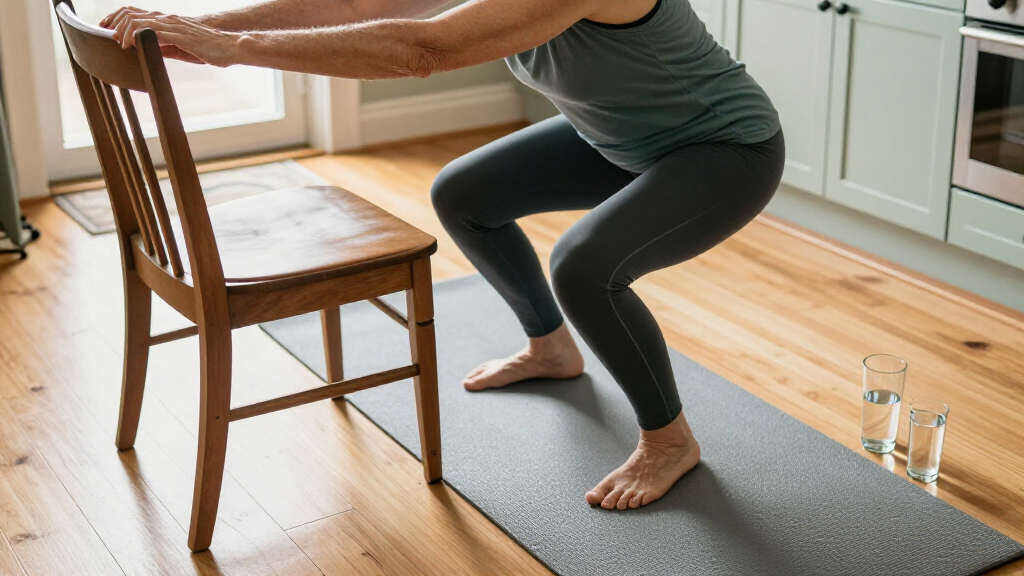
The first exercise pairs seated knee lifts with a sit-to-stand. From the front of a chair, the participant lifts and lowers each knee, then places both feet on the floor, leans forward slightly and stands before sitting down with control. The report says the knee lifts engage hip flexors used to move the legs, while standing works the thighs and glutes.
For the second move, a person holds one dumbbell and raises the opposite leg out to the side, then switches hands and legs. The farmer carry involves walking for 30 seconds with a dumbbell in each hand, keeping the torso upright. The final move is a shoulder press, done sitting or standing: weights are held at shoulder height and pressed overhead before being lowered slowly.
Training for Everyday Tasks
The report frames the routine around functional strength: the physical capacity involved in ordinary activities, rather than exercise performance alone. Getting up from a low seat, carrying shopping and placing an item on a high shelf require different combinations of leg, hip, arm and trunk control. Practising movements related to those tasks may give readers a concrete way to think about strength training.
Fit&Well’s contributor, who teaches chair workout classes for older adults, describes clients who want to remain independent. The report recounts examples of a client whose upper-body strength helped her get out of a hospital bed after hip replacement, another who found it easier to get in and out of a car, and a regular who could walk farther to a bus stop. These are personal accounts, not findings from a controlled study, and the material does not establish that this particular routine caused those outcomes.
The suggested exercises may be relevant to people planning for later life as well as older adults who already exercise. However, the report does not compare the routine with other programs, measure changes in strength or balance, or show that it reduces falls. Its value in the article is as an accessible set of movements connected to familiar activities.
As an affiliate, we earn on qualifying purchases.
How the Four Moves Fit Together
The routine combines exercises performed in place with a short walk carrying weights. The chair exercise uses a seat for knee lifts and practises rising and lowering; the side leg raise asks the participant to stay steady while one leg moves independently. The carry adds walking while holding a load, and the press targets overhead movement. Together, they address several kinds of everyday movement, though the report does not describe them as a complete fitness plan.
The contributor says experience teaching older adults has shaped the emphasis on independence. The report also argues that building strength in one’s 40s and 50s can support later-life activities. That is the contributor’s recommendation; the source material does not include research data or a named expert study to quantify the effect of starting at those ages.
Each move is described with basic form cues: keep the torso upright during the carry, avoid leaning during the side leg raise, and avoid arching the lower back during the shoulder press. The chair can be used for balance during the seated-to-standing sequence. These directions explain the exercise, but the report does not provide individualized instruction or assess whether the routine suits a particular reader.
“They all come for the same reason—they want to stay independent.”
— Fit&Well contributor and chair-workout instructor
As an affiliate, we earn on qualifying purchases.
Limits of the Exercise Report
The source is a fitness report with an instructor’s observations, not a clinical trial or formal exercise guideline. It does not provide evidence that these four moves are the best exercises compared with alternatives, despite the headline’s wording. Nor does it report measured outcomes for participants who followed the routine.
Other details are not addressed, including how often to repeat the two-round routine, how to progress the weights, and what modifications may be suitable for different mobility or health needs. The report does not set out screening advice or specific safety criteria. Readers with health conditions, pain, balance concerns or questions about whether weighted exercise is suitable can seek guidance from a qualified health or exercise professional before starting.
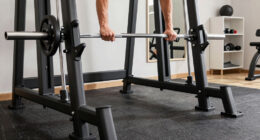
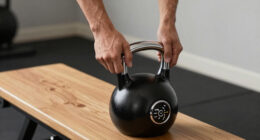
balance and strength training equipment
As an affiliate, we earn on qualifying purchases.
As an affiliate, we earn on qualifying purchases.
Using the Routine Safely
The report does not announce a follow-up study, trial or scheduled update. Its immediate next step for readers is to follow the written instructions with a stable chair and manageable weights, completing two rounds as described if the exercises are appropriate for them. Because no starting frequency or progression schedule is given, the article should not be read as a personalized training plan.
Any stronger claims about effectiveness would require information not included in the source, such as how participants’ strength or balance changed over time and whether results differed from other exercise approaches. For now, the confirmed development is the publication of a practical four-exercise routine, with its claimed benefits grounded in the contributor’s explanation and client anecdotes.
As an affiliate, we earn on qualifying purchases.
Key Questions
What are the four exercises in the routine?
The routine includes seated knee lifts followed by a sit-to-stand, a dumbbell hold with a side leg raise, a farmer carry and a shoulder press.
How many repetitions and rounds does the report suggest?
It suggests two rounds and eight repetitions per exercise, or per side where relevant. The farmer carry is done for 30 seconds, with 30 seconds of rest listed between carries.
What equipment is needed?
The report calls for a sturdy chair and two dumbbells. It advises starting with weights that can be controlled throughout each movement, but does not specify a weight size.
Does the report prove the routine prevents falls or preserves independence?
No. The article describes the exercises’ intended relevance to everyday tasks and includes the instructor’s client anecdotes. It does not provide trial data showing that the routine prevents falls or guarantees independence.
Who should check before trying the exercises?
The report does not give individualized medical guidance. People with health conditions, pain, mobility limitations or concerns about balance or using weights can ask a qualified health or exercise professional whether the movements are appropriate for them.
Source: rss
Fall Picks
fall essentials
As an affiliate, we earn on qualifying purchases.