
Your hormone health directly affects your skin’s appearance and resilience. Fluctuations, like those during menopause, can lead to dryness, fine lines, and loss of elasticity, while hormonal imbalances sometimes cause stubborn acne even in adulthood. Managing these changes involves understanding how hormones influence oil production, collagen, and moisture levels. By addressing hormonal shifts through skincare, lifestyle, or medical advice, you can support vibrant, healthy skin— if you explore this connection further, you’ll discover more ways to nurture your skin naturally.
Key Takeaways
- Hormonal fluctuations regulate skin health, affecting oil production, hydration, elasticity, and aging signs.
- Menopause-induced estrogen decline reduces collagen, leading to thinner, drier, and less resilient skin.
- Imbalanced hormones can cause breakouts, especially hormonal acne around the jawline and chin.
- Proper skincare, diet, stress management, and medical guidance can help mitigate hormone-related skin issues.
- Understanding hormonal impacts enables targeted treatments and proactive steps for maintaining healthy skin.
Your hormones play a vital role in maintaining healthy, clear skin, and when their balance is disrupted, you may notice changes like breakouts, dryness, or dullness. Understanding how hormones influence your skin helps you better manage these shifts, especially during significant life stages like menopause or hormonal fluctuations. Menopause symptoms, such as hot flashes, night sweats, and mood swings, often come with skin changes that can catch you off guard. You might see your skin become drier and less elastic, or develop fine lines more quickly. These changes happen because declining estrogen levels affect collagen production, leading to thinner, less resilient skin. Similarly, hormonal acne isn’t just a teenage problem; it can persist or reappear during menopause, caused by hormonal imbalances that increase oil production. Elevated androgens, the male hormones present in smaller amounts in women, can stimulate excess sebum, clog pores, and trigger breakout cycles.
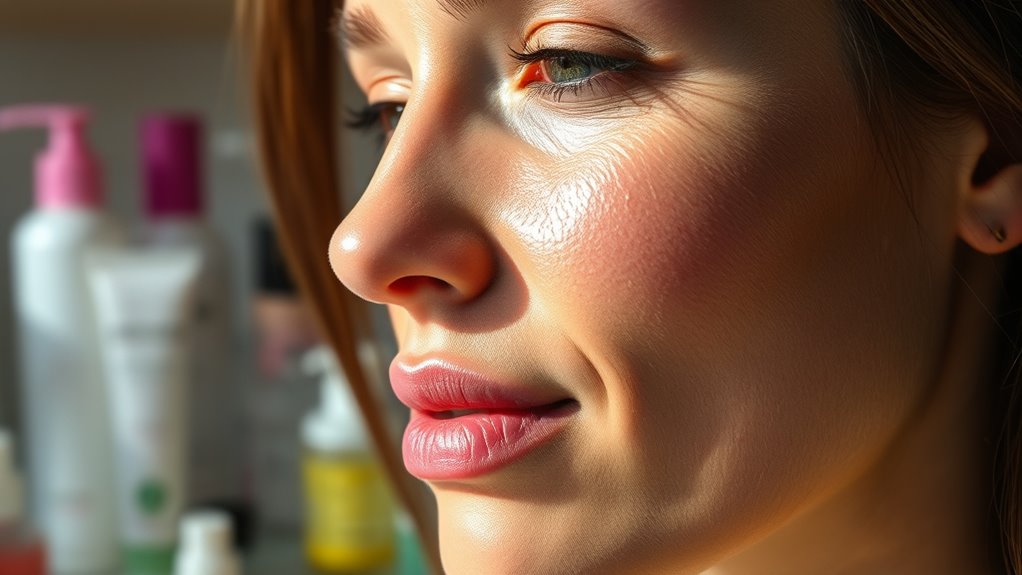
When your hormone levels shift, your skin’s oil production and hydration levels fluctuate too. During menopause, the drop in estrogen reduces the skin’s ability to retain moisture, making dryness and irritation more prominent. You might notice your skin becoming dull or feeling rough, which is a sign that your skin’s natural barrier needs extra support. Hormonal acne, on the other hand, often appears along the jawline and chin, especially during or after menopause. It’s characterized by deep, cystic pimples that can be painful and persistent. This type of acne isn’t caused by dirt or poor hygiene but by hormonal fluctuations that increase oil and inflammation. Understanding this helps you choose targeted treatments rather than just covering up the problem with makeup. Incorporating skincare ingredients like niacinamide, which reduces inflammation, or hyaluronic acid to boost hydration, can be especially beneficial during these times.
To support your skin through these changes, it’s essential to focus on balancing your hormones naturally and with the right skincare. Incorporate products with ingredients like niacinamide, which reduces inflammation, or hyaluronic acid to boost hydration. Maintaining a healthy diet rich in antioxidants, staying well-hydrated, and managing stress can also help stabilize your hormones and improve your skin’s appearance. If you’re experiencing severe menopause symptoms or persistent hormonal acne, consulting with a healthcare provider can lead to personalized strategies, including hormone therapy or other treatments. By recognizing the connection between your hormones and skin health, you empower yourself to take proactive steps, ensuring your skin remains as healthy and vibrant as possible through every stage of life.
Frequently Asked Questions
Can Hormone Therapy Improve Skin Aging Signs?
Yes, hormone therapy benefits include helping reduce skin aging signs. When you undergo hormone therapy, hormone levels like estrogen increase, which can boost collagen production and improve skin elasticity. This makes your skin look plumper, smoother, and more youthful. While it’s not a magic fix, many find that hormone therapy can slow down some visible effects of aging skin, giving you a fresher and more vibrant appearance.
How Do Birth Control Pills Affect Skin Health?
Imagine a time when your skin’s glow was radiant—birth control pills can help maintain that by balancing hormones. They often reduce pill side effects like hormonal acne, clearing up blemishes. However, they might also cause side effects such as dryness or mood changes. Overall, birth control pills influence skin health by regulating hormone levels, which can lead to clearer skin or, in some cases, unwanted reactions.
Are Hormonal Imbalances Linked to Specific Skin Conditions?
Yes, hormonal imbalances are linked to specific skin conditions like hormonal acne and menopause symptoms. When your hormones fluctuate, they can cause breakouts, especially around your chin and jawline, and worsen dryness or redness during menopause. These imbalances disrupt oil production and skin regeneration. To manage these issues, consider consulting a dermatologist who can recommend treatments to balance your hormones and improve your skin’s health.
What Lifestyle Changes Support Hormone and Skin Health?
Suppose you notice clearer skin after improving your sleep and diet; that’s no coincidence. To support hormone and skin health, you should make diet adjustments by eating nutrient-rich foods and reducing processed sugars. Prioritize sleep quality by establishing a calming bedtime routine. Exercise regularly, stay hydrated, and manage stress. These lifestyle changes balance hormones, reduce skin issues, and promote a radiant complexion.
Can Stress Management Influence Hormonal Impact on Skin?
Yes, managing stress can positively influence hormonal impact on your skin. When you practice stress reduction and incorporate mindfulness techniques, you help regulate cortisol levels, which can reduce breakouts and inflammation. By staying mindful and relaxed, you support your hormonal balance, leading to healthier skin. Making these habits part of your routine can improve your overall skin appearance and help your body’s natural processes work more effectively.
Conclusion
Understanding how your hormones affect your skin can empower you to take better care of yourself. Did you know that hormonal imbalances can cause up to 80% of acne cases? By maintaining hormonal balance through a healthy lifestyle, you can improve your skin’s appearance and overall health. So, pay attention to your body’s signals, stay proactive, and remember that loving your hormones is a step toward glowing, healthy skin every day.