

If you have a medical device like a pacemaker, metal implants, or dental work, microcurrent may not be safe for you. Pregnant or breastfeeding women should avoid it due to limited research and potential risks. If you have skin infections, open wounds, or neurological issues, microcurrent could worsen your condition. Always check with a healthcare professional before trying it, and you’ll discover more important safety tips ahead.

Turn your wind-down time into listening time
- Thousands of audiobooks, podcasts and originals
- Listen on your phone, tablet or Echo — also offline
- Cancel anytime
Key Takeaways
- Individuals with pacemakers, defibrillators, or metal implants should avoid microcurrent treatments unless approved by a healthcare professional.
- Pregnant and breastfeeding women are advised to consult healthcare providers before using microcurrent, as safety during pregnancy is not well-established.
- Those with active skin infections, open wounds, or skin conditions should refrain from microcurrent therapy until fully healed.
- People with neurological or seizure disorders should seek medical advice before using microcurrent to prevent potential triggering of symptoms.
- Always consult a healthcare professional to review personal medical history and ensure microcurrent therapy is safe for your specific health conditions.
microcurrent therapy contraindications
As an affiliate, we earn on qualifying purchases.
As an affiliate, we earn on qualifying purchases.
Who Should Avoid Microcurrent Therapy?

Certain individuals should avoid microcurrent therapy because it may pose risks or be ineffective for them. Microcurrent contraindications include anyone with pacemakers, implanted electrical devices, or metal implants near treatment areas. These devices can interfere with the microcurrent, risking malfunction or injury. Patients with active skin infections, open wounds, or severe skin conditions should also refrain from treatment to prevent worsening issues or infection spread. Additionally, those with epilepsy or seizure disorders need to exercise caution, as microcurrent may trigger episodes. Patient safety considerations demand careful screening before starting therapy. If you’re pregnant, have cancer, or suffer from heart conditions, consult your healthcare provider first. Always prioritize safety to ensure microcurrent therapy benefits without unintended harm. Using proper protective gear and following guidelines can help minimize risks during treatment.]
As an affiliate, we earn on qualifying purchases. As an affiliate, we earn on qualifying purchases.microcurrent device for sensitive skin
Why Pregnant and Breastfeeding Women Should Skip Microcurrent

During pregnancy, your hormonal levels fluctuate substantially, which can affect how microcurrent therapy interacts with your body. Since these changes might influence the developing baby, it’s safest to avoid treatments during this time. Skipping microcurrent helps protect both your health and your baby’s well-being. Additionally, the altered hormonal levels during pregnancy can interfere with the therapy’s effectiveness and safety. Moreover, the microcurrent technology itself is not well-studied in pregnant women, further emphasizing caution. For example, the safety profile of microcurrent in pregnant women remains limited, so erring on the side of caution is advisable. It is also important to consider that hormonal fluctuations can impact treatment outcomes, making cautious approaches necessary. Consulting with a healthcare provider about treatment safety is highly recommended before considering any therapy during pregnancy.
Hormonal Changes During Pregnancy
Because pregnancy causes significant hormonal shifts, using microcurrent treatments may interfere with these delicate changes. Hormonal fluctuations are vital for supporting pregnancy, maintaining balance, and ensuring healthy development. Introducing microcurrent during this time could disrupt this natural process, potentially leading to unpredictable effects on your hormonal levels. These pregnancy considerations emphasize the importance of avoiding treatments that alter or stimulate the body’s electrical signals during this sensitive period. Since your hormones are already in flux, any additional interference might cause unintended consequences. Additionally, home safety tips are crucial during pregnancy to prevent accidental harm. For these reasons, it’s safest for pregnant women to skip microcurrent therapy until after childbirth. Prioritizing hormonal regulation helps safeguard your health and your baby’s development during this critical stage. Understanding the role of hormones in pregnancy health is essential to appreciating why this caution is necessary. Moreover, avoiding microcurrent can help prevent unforeseen effects on hormonal balance, which is especially important during this transformative time.
Potential Effects on Developing Baby
Hormonal changes during pregnancy are delicate and vital for healthy fetal development. Microcurrent treatments may pose pregnancy risks by disrupting this balance or exposing your developing baby to unknown stimuli. Although microcurrent devices are generally considered safe for non-pregnant individuals, the effects on fetal development remain unclear. Electrical currents could potentially interfere with placental function or cause unintended effects on the developing nervous system. Because of these uncertainties, it’s safest to skip microcurrent therapy during pregnancy. Protecting your baby’s health means avoiding treatments that haven’t been thoroughly studied for use in pregnant women. Instead, focus on proven methods for maintaining your well-being and supporting fetal development, and consult your healthcare provider for personalized advice. Additionally, since pregnancy involves hormonal fluctuations, any treatments that could influence hormonal balance should be approached with caution. Being aware of fetal safety concerns and choosing gentle, well-established skincare routines can further help safeguard your pregnancy. It is also wise to consider water-based therapies that are generally safe and soothing during pregnancy. Research indicates that microcurrent safety is still being evaluated, so erring on the side of caution is recommended. Incorporating evidence-based skincare strategies can help you maintain your health without unnecessary risks.
microcurrent therapy safety gear
As an affiliate, we earn on qualifying purchases.
As an affiliate, we earn on qualifying purchases.
Risks for People With Pacemakers and Electronic Implants
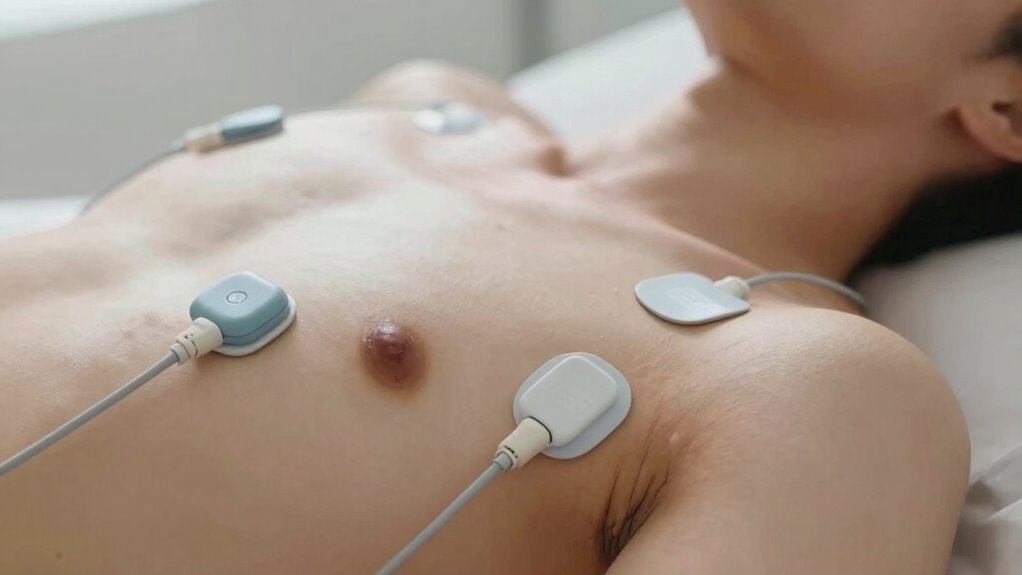
People with pacemakers or electronic implants should exercise caution with microcurrent treatments, as these devices can be sensitive to electrical signals. Microcurrents may cause device interference, risking malfunction or unintended activation. To safeguard your electronic safety: 1. Avoid microcurrent near the chest or areas with implants. 2. Consult your healthcare provider before treatment. 3. Be aware that even low-level currents can affect device operation. 4. Never attempt microcurrent if you have a pacemaker or implant without professional guidance. Additionally, the specific design of microcurrent devices can influence their safety, so understanding device compatibility is crucial before use. Recognizing device interference risks is essential in assessing microcurrent safety for individuals with implants. Because of the potential for device interference, microcurrent isn’t recommended for individuals with these implants. Your safety depends on understanding how electrical signals could disrupt your device’s function, making professional advice essential before proceeding. Moreover, being aware of electrical sensitivity can help individuals better evaluate their personal risk factors. Being informed about safety guidelines can further help users make educated decisions regarding microcurrent treatments. It is also important to stay updated on latest safety research to ensure comprehensive protection.
microcurrent devices for pregnancy
As an affiliate, we earn on qualifying purchases.
As an affiliate, we earn on qualifying purchases.
When Skin Infections or Open Wounds Make Microcurrent Unsafe
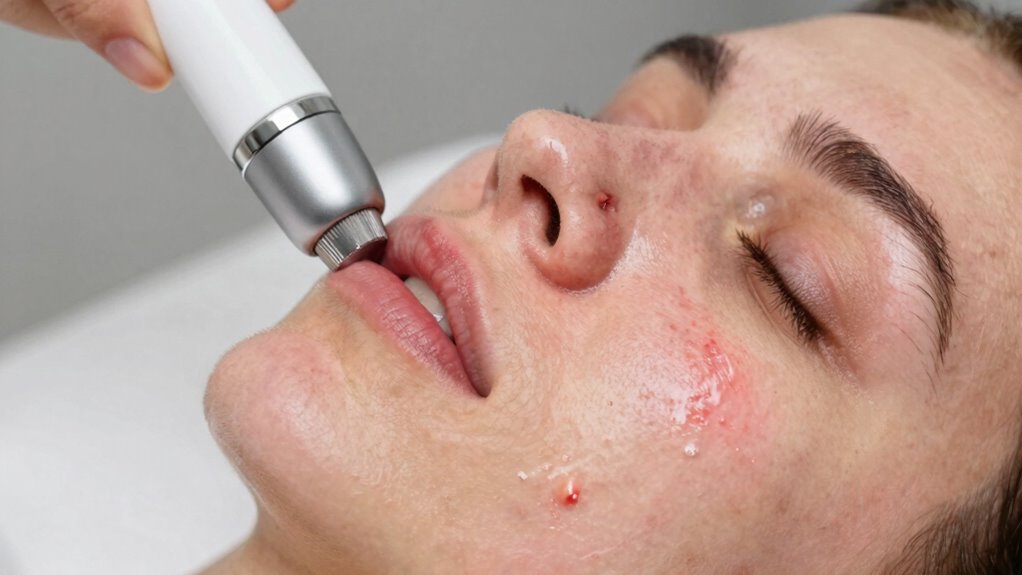
Applying microcurrent treatments on skin with infections or open wounds can worsen the condition or cause further complications. Skin infections create a vulnerable environment where bacteria or viruses can spread or intensify if exposed to electrical stimulation. Open wounds, on the other hand, leave your skin barrier compromised, increasing the risk of infection or delayed healing. Microcurrent devices can introduce bacteria deeper into tissues or interfere with the natural healing process. If you have active skin infections or open wounds, it’s best to avoid microcurrent therapy until these issues are fully resolved. Consulting a healthcare professional is recommended to determine when it’s safe to resume treatments, ensuring you don’t inadvertently worsen your skin’s condition. Proper wound care is essential to prevent complications and promote healing before considering microcurrent therapy. Additionally, understanding skin integrity helps in assessing whether your skin is ready for such treatments and reduces the risk of adverse effects. Maintaining healthy skin barriers is key to avoiding infections and ensuring safe microcurrent use. Recognizing the importance of professional evaluation can further protect your health and optimize healing outcomes. Being aware of infection signs can help you identify when it’s necessary to seek medical advice before proceeding with microcurrent treatments.
Should You See a Doctor If You Have Neurological Conditions?
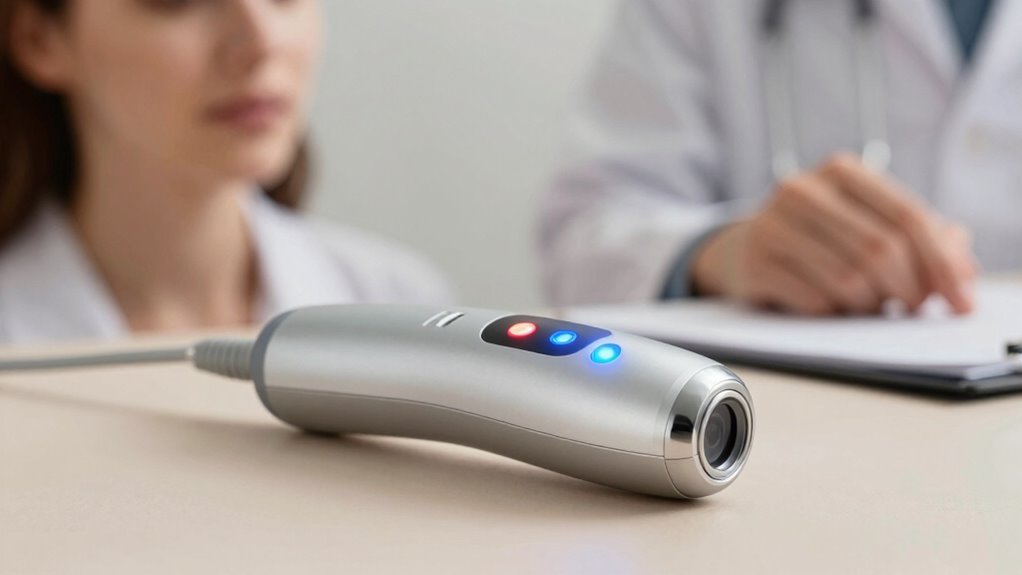
If you have a neurological condition, it’s important to consult a healthcare professional before using microcurrent therapy. Neurological disorders can affect how your nervous system responds, making microcurrent potentially risky. To verify safety, consider these steps:
- Seek a thorough medical consultation to evaluate your specific condition.
- Discuss any medications or treatments you’re currently undergoing.
- Ask if microcurrent therapy could interfere with your neurological health.
- Follow your healthcare provider’s recommendations before proceeding.
- Be aware that resilient landscaping techniques may influence how your body reacts to certain therapies.
- Understanding nervous system responses can help you better assess potential risks associated with microcurrent treatments.
Ignoring these precautions might worsen symptoms or cause unintended effects. Always prioritize professional advice when dealing with neurological disorders. A medical consultation helps determine whether microcurrent therapy is safe for your unique situation, giving you peace of mind and protecting your neurological health.
Are Metal Implants or Dental Work a Concern With Microcurrent?
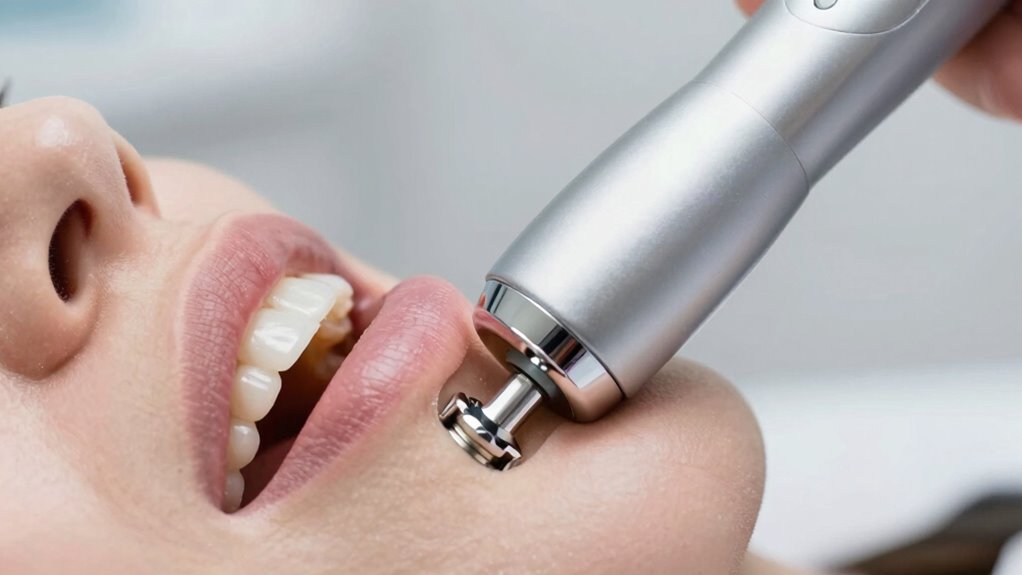
Metal implants and dental work are common concerns when considering microcurrent therapy, especially if you’ve recently had procedures or have devices embedded in your body. Microcurrent devices generate electrical signals that could potentially interact with metal implants or dental work, causing discomfort or disrupting the device’s function. While most people with metal implants or dental work don’t experience issues, it’s wise to consult your healthcare provider before starting treatment. Certain types of implants, like pacemakers or cochlear implants, may pose higher risks. Dental work, such as crowns or fillings, generally doesn’t interfere markedly, but caution is advised. Always inform your practitioner about any metal implants or dental work to ensure safe, tailored microcurrent therapy.
Additional Risks for People With Medical Devices or Conditions
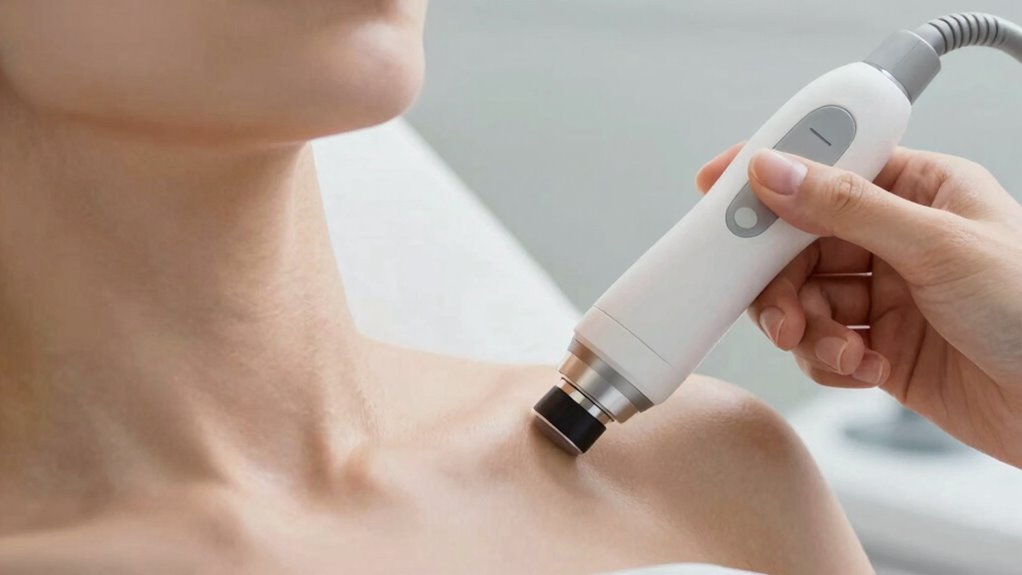
If you have a pacemaker, defibrillator, or other medical device, microcurrent treatments might pose risks to your health. Pregnant or breastfeeding individuals should also be cautious, as safety isn’t fully established. People with heart conditions or implants need to take into account potential complications before trying microcurrent therapies.
Pacemakers and Defibrillators
People with pacemakers or defibrillators need to exercise caution when considering microcurrent treatments, as these devices can be sensitive to electrical interference. Such interference may cause device malfunction, risking your health. To stay safe, keep these points in mind:
- Avoid microcurrent devices directly over the chest area where your device is implanted.
- Check with your healthcare provider before any treatment involving electrical stimulation.
- Be aware that even small electrical currents can disrupt device function.
- If you experience dizziness, irregular heartbeat, or discomfort during treatment, stop immediately and seek medical attention.
Microcurrent therapy’s electrical interference can compromise your device’s performance, making it essential to prioritize safety and professional guidance.
Pregnancy and Breastfeeding Risks
Are you pregnant or breastfeeding? Microcurrent treatments may pose risks during this time due to hormonal fluctuations and immune response changes. These fluctuations can make your body more sensitive to electrical stimulation, potentially affecting your pregnancy or milk production. While microcurrent is generally considered safe for many, the lack of extensive research on its effects in pregnant or breastfeeding women means caution is essential. The electrical pulses could influence hormonal balance or trigger unexpected responses, which might impact fetal development or milk quality. Because your immune response is also heightened or altered, there’s a chance of increased sensitivity or adverse reactions. To protect both you and your baby, it’s best to consult your healthcare provider before undergoing microcurrent therapy during pregnancy or breastfeeding.
Heart Conditions and Implants
Microcurrent treatments can pose specific risks for individuals with heart conditions or implanted medical devices. If you have heart health concerns or an implant, it’s vital to take into account implant safety before treatment. Here are four key points:
- Microcurrents may interfere with pacemakers or defibrillators, disrupting their functions.
- For those with arrhythmias, electrical stimulation could exacerbate irregular heartbeats.
- People with implanted defibrillators should avoid treatments that might cause unintended shocks.
- Underlying heart conditions might worsen if microcurrents affect nerve or muscle activity near the chest.
Always consult your healthcare provider to evaluate risks related to your heart health and implant safety before trying microcurrent therapy. Your safety depends on understanding how these devices and conditions interact with electrical treatments.
Final Tips: Is Microcurrent Safe for You?

Before trying microcurrent treatments, it’s important to contemplate your individual health conditions and consult with a healthcare professional. Microcurrent can offer notable cosmetic benefits, especially in skin rejuvenation, making your skin look more youthful and refreshed. However, it’s not suitable for everyone. If you have metal implants, pacemakers, or certain medical conditions, microcurrent might pose risks. Always discuss your medical history with a professional to determine if this therapy is safe for you. Remember, while many enjoy the skin benefits, individual responses can vary. Prioritize safety by seeking expert advice, and don’t rush into treatments without proper guidance. Making an informed decision ensures you can enjoy the potential skin rejuvenation benefits safely and effectively.
Frequently Asked Questions
Can Microcurrent Therapy Cause Skin Irritation or Allergic Reactions?
Microcurrent therapy can cause skin irritation or allergic reactions, especially if you have sensitive skin or allergies. To minimize risks, you should perform allergy testing beforehand and monitor your skin during treatment. If you notice redness, itching, or swelling, stop immediately. It’s best to consult with a professional if you have skin sensitivity or known allergies to ensure microcurrent therapy is safe for you.
Are There Age Restrictions for Microcurrent Treatment?
You should be aware that there are age limitations for microcurrent treatment, typically recommending it for adults over 18. Teen safety is a priority, so if you’re under 18, it’s best to avoid microcurrent therapy unless approved by a healthcare professional. This guarantees you’re protected from potential risks, as younger skin may be more sensitive. Always check with your provider to determine if microcurrent is suitable for your age.
How Long Should I Wait After Sun Exposure Before Microcurrent Sessions?
You should wait at least 24 to 48 hours after sun exposure before your microcurrent session. Sun sensitivity can increase your skin’s vulnerability and delay skin recovery, making treatment uncomfortable or risky. During this time, your skin needs to recover from UV damage. Always inform your practitioner about recent sun exposure so they can advise the best timing for safe, effective microcurrent treatments and protect your skin’s health.
Is Microcurrent Safe for People With Autoimmune Diseases?
Your immune system’s complexity can make microcurrent treatments seem like steering a minefield. If you have an autoimmune disease, it’s vital to take autoimmune considerations into account before trying microcurrent. While some find benefits, it can impact the immune system, potentially triggering flare-ups or adverse reactions. Always consult your healthcare provider first to weigh the risks, as individual responses vary, and safety should always come first.
Can Microcurrent Therapy Interfere With Other Skincare Treatments?
Microcurrent therapy can interfere with other skincare treatments if device compatibility isn’t checked or if treatments are scheduled too closely together. You should verify your microcurrent device is compatible with your current skincare products and procedures. To avoid issues, space out treatments appropriately and consult your skincare professional. This helps prevent adverse reactions and maximizes the benefits of both therapies, keeping your skin safe and healthy.
Conclusion
Before trying microcurrent, ask yourself: is this safe for you? If you have any medical devices, infections, or conditions, it’s better to be cautious—your health isn’t worth the risk. Think of your body as a delicate garden; introducing the wrong elements can cause weeds to grow. Always consult your healthcare provider to verify microcurrent won’t turn your wellness journey into a risky adventure. Stay safe, stay smart.
Fall Picks
fall essentials
As an affiliate, we earn on qualifying purchases.