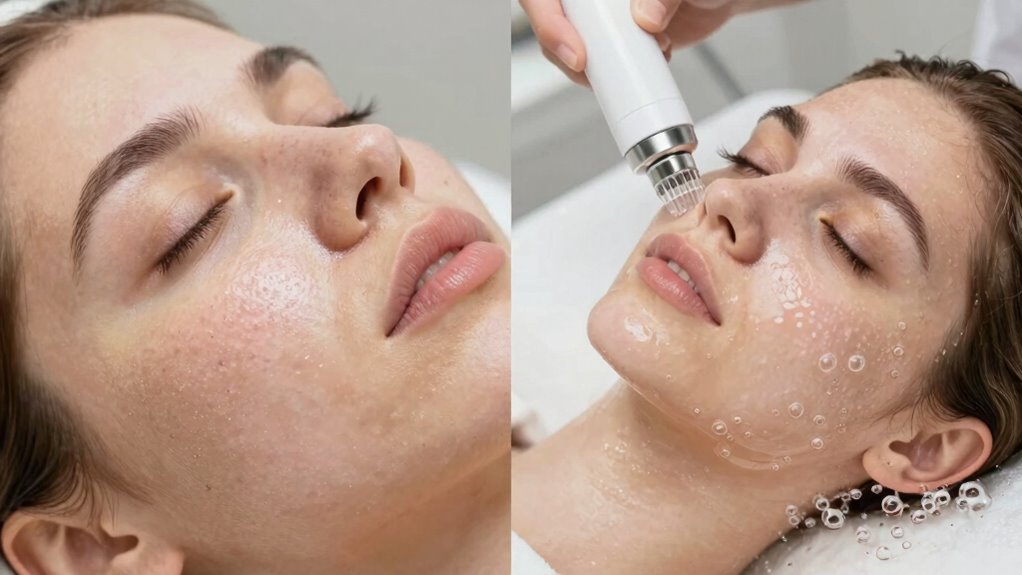

Microdermabrasion uses tiny crystals or diamond tips to physically exfoliate your skin, revealing a fresher, brighter layer. Hydrodermabrasion, meanwhile, employs pressurized water and serums for gentle cleansing, hydration, and smoothing. It’s less abrasive and ideal if you have sensitive or dry skin. The right choice depends on your goals and skin type. If you want to discover which treatment suits you best, keep exploring to find out more.
Key Takeaways
- Microdermabrasion uses physical exfoliation with crystals or diamond tips, while hydrodermabrasion employs water and serums for gentle cleansing.
- Microdermabrasion offers a more abrasive exfoliation, suitable for skin rejuvenation, whereas hydrodermabrasion provides a hydrating, soothing experience.
- Microdermabrasion is ideal for improving skin texture, dullness, and mild hyperpigmentation; hydrodermabrasion is better for sensitive, dry, or aging skin.
- Hydrodermabrasion tends to be more comfortable with less irritation, while microdermabrasion may cause mild redness or tingling post-treatment.
- Both treatments promote skin renewal, but the choice depends on skin type, concerns, and desired results, best guided by a skincare professional.
What Are Microdermabrasion and Hydrodermabrasion? Definitions and Key Differences
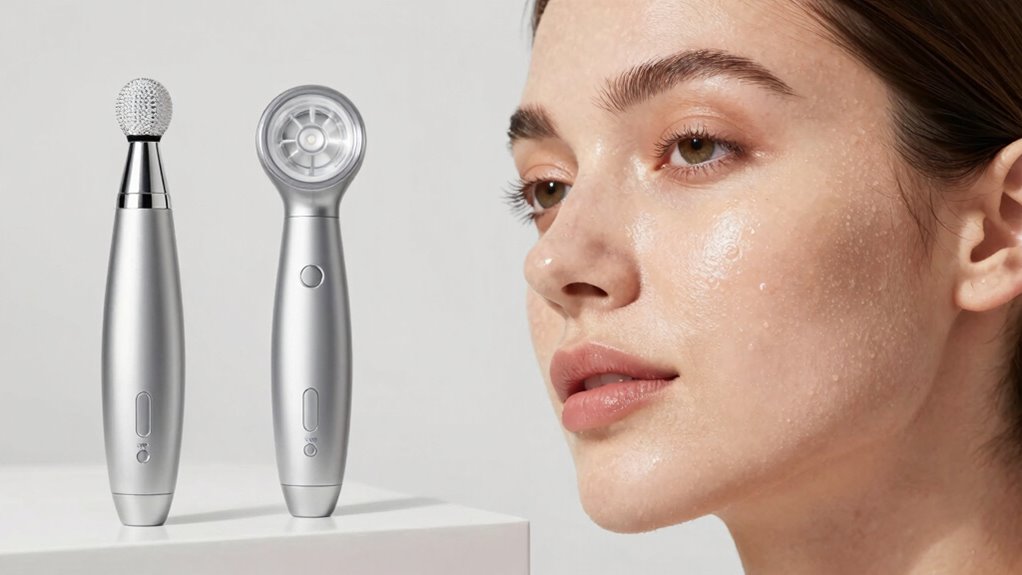
Microdermabrasion and hydrodermabrasion are popular skincare treatments designed to improve skin texture and appearance. Microdermabrasion involves physically exfoliating the skin’s surface with tiny crystals, removing dead skin cells to promote skin rejuvenation. In contrast, hydrodermabrasion uses a stream of pressurized water combined with serums to gently exfoliate and hydrate your skin. While microdermabrasion offers a more abrasive approach, hydrodermabrasion provides a gentler, more hydrating experience. Both treatments support chemical exfoliation processes, encouraging cell turnover and revealing fresher skin. Additionally, understanding the exfoliation methods used in each treatment can help you better tailor your skincare routine to your needs. For example, hydrodermabrasion’s hydration benefits make it especially suitable for dry or sensitive skin types. Understanding these differences helps you choose the right treatment for your skin’s needs, focusing on skin rejuvenation and improving overall texture. Choosing the right treatment depends on your skin type and goals.
Which Skin Concerns Can Microdermabrasion and Hydrodermabrasion Address?
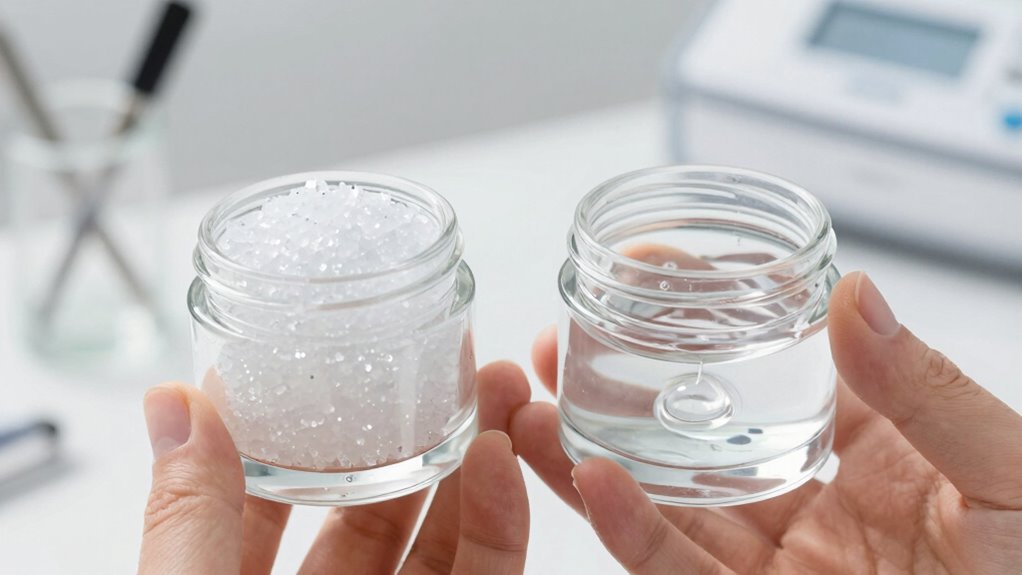
Both microdermabrasion and hydrodermabrasion effectively target a variety of skin concerns, making them popular choices for skin rejuvenation. If you’re dealing with dull skin, uneven texture, or mild hyperpigmentation, these treatments can help improve your complexion. They’re also effective for reducing the appearance of acne scars, smoothing out scars to give your skin a more even look. Microdermabrasion works by exfoliating the outer layer of your skin, revealing fresher skin underneath. Hydrodermabrasion combines exfoliation with infusion of hydrating serums, making it gentler and suitable for sensitive skin. While both treatments promote skin rejuvenation, they address different concerns, so your choice depends on your specific skin issues and goals.
How Do Microdermabrasion and Hydrodermabrasion Work? The Techniques Behind Each

Understanding how each treatment works can help you decide which one suits your skin needs best. Microdermabrasion uses a device that gently exfoliates the skin’s surface through skin exfoliation, often employing tiny crystals or a diamond-tip wand. This technique removes dead skin cells and stimulates collagen production, revealing fresher skin. Hydrodermabrasion, on the other hand, combines skin exfoliation with infusion technology. It uses a specialized wand that sprays a mixture of serums and water under gentle pressure, simultaneously cleansing, exfoliating, and hydrating your skin. The treatment technology in hydrodermabrasion allows for more controlled and less abrasive exfoliation, making it suitable for sensitive skin. Both methods aim to improve skin texture and clarity, but they achieve this through different mechanisms. skin exfoliation is a common goal shared by both treatments, but they utilize different mechanisms to reach it. For example, device-assisted exfoliation in microdermabrasion offers a more aggressive approach compared to the gentler infusion process of hydrodermabrasion. Additionally, understanding the technology differences can help you choose the most suitable treatment for your skin type and concerns. Incorporating contrast ratio considerations can also enhance the visual results of skin treatments, especially in creating a brighter, more vibrant complexion.
What Results and Comfort Can You Expect From These Treatments?
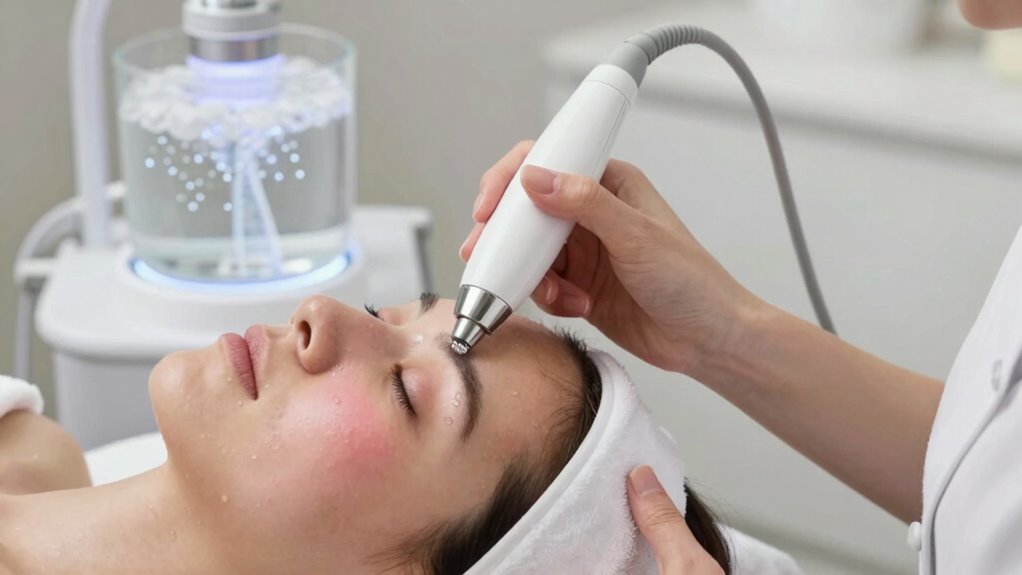
During these treatments, you’ll notice differences in comfort levels, with many finding hydrodermabrasion gentler. Expect visible improvements in your skin’s texture and clarity after sessions, though results may vary. You might also experience some sensations afterward, but they typically fade quickly as your skin recovers. Understanding how these procedures impact your skin’s microstructure can help set realistic expectations. Additionally, considering the skin’s response to treatment can optimize your overall experience. Being aware of the skin repair process can further enhance your recovery and satisfaction with the results. Recognizing how your skin reacts during the healing phase can also contribute to better outcomes. Incorporating appropriate post-treatment care can support your skin’s recovery and improve overall results.
Comfort Level During Treatment
When you undergo microdermabrasion or hydrodermabrasion, your comfort level largely depends on your skin’s sensitivity and the procedure’s intensity. Microdermabrasion can sometimes cause mild skin irritation, especially if you have sensitive skin, but pain levels are usually minimal and well-tolerated. Hydrodermabrasion tends to be gentler, with less discomfort and a soothing sensation during treatment. Both treatments are generally tolerable, but individual experiences vary. If your skin is prone to irritation, you might feel some redness afterward, although it typically subsides quickly. Overall, most people find these procedures comfortable, especially when performed by an experienced professional who adjusts the settings to suit your skin’s needs. Proper technique and equipment calibration also play a significant role in minimizing discomfort during these treatments. Additionally, choosing a provider knowledgeable about skin sensitivity can further enhance comfort and results. It’s also helpful to discuss your skin condition with your provider beforehand to ensure the best approach. Moreover, understanding the treatment intensity can help set realistic expectations for comfort during the procedure. Incorporating client feedback can also assist practitioners in customizing the experience to individual comfort levels.
Visible Skin Improvements
Both microdermabrasion and hydrodermabrasion deliver noticeable improvements in your skin’s appearance, often exceeding initial expectations. You’ll see a reduction in skin aging signs, such as fine lines and dullness, giving your complexion a more youthful glow. These treatments also help with pore reduction, making your skin look smoother and more refined. Microdermabrasion gently exfoliates the surface, revealing fresher skin beneath, while hydrodermabrasion provides deeper cleansing and hydration, resulting in a plumper, more radiant look. Both methods can diminish hyperpigmentation and uneven skin tone. Expect your skin to feel softer, appear brighter, and look visibly clearer after treatment. The results depend on your skin’s condition and treatment frequency, but most notice a healthier, more vibrant complexion after a single session. Incorporating glycolic acid into your skincare routine can enhance these results by promoting cell turnover and improving skin texture. Additionally, consistent use of exfoliation products can help maintain the benefits achieved from these treatments. Moreover, professional guidance can optimize your skincare plan for sustained results, especially when combined with proper skincare routines. Regular skincare assessments can further help tailor treatments to your evolving skin needs.
Post-Treatment Sensations
After your microdermabrasion or hydrodermabrasion treatment, you might notice different sensations and immediate results. Post-treatment sensations can include a feeling of smoothness or slight tingling, but some skin sensitivity is common. Microdermabrasion often causes temporary redness and a mild stinging sensation, which typically subsides quickly. Hydrodermabrasion tends to be gentler, with less discomfort and minimal skin sensitivity afterward. You may also experience a sensation of hydration and refreshed skin right after the procedure. It’s normal for your skin to feel slightly tender or sensitive for a few hours or up to a day, especially if your skin is naturally reactive. Additionally, post-treatment skin sensations can vary depending on your skin type and the specific procedure performed. Understanding skin sensitivity and how it can fluctuate is important for managing expectations and ensuring proper aftercare. Recognizing immediate skin responses can help you better prepare for recovery and care. Moreover, being aware of skin recovery time can assist in planning your activities post-treatment. To optimize healing, it’s also helpful to follow recommended post-treatment skincare routines. Overall, these treatments are designed to leave your skin feeling rejuvenated, with minimal downtime or discomfort.
Which Treatment Is Best for Your Skin Type and Goals?
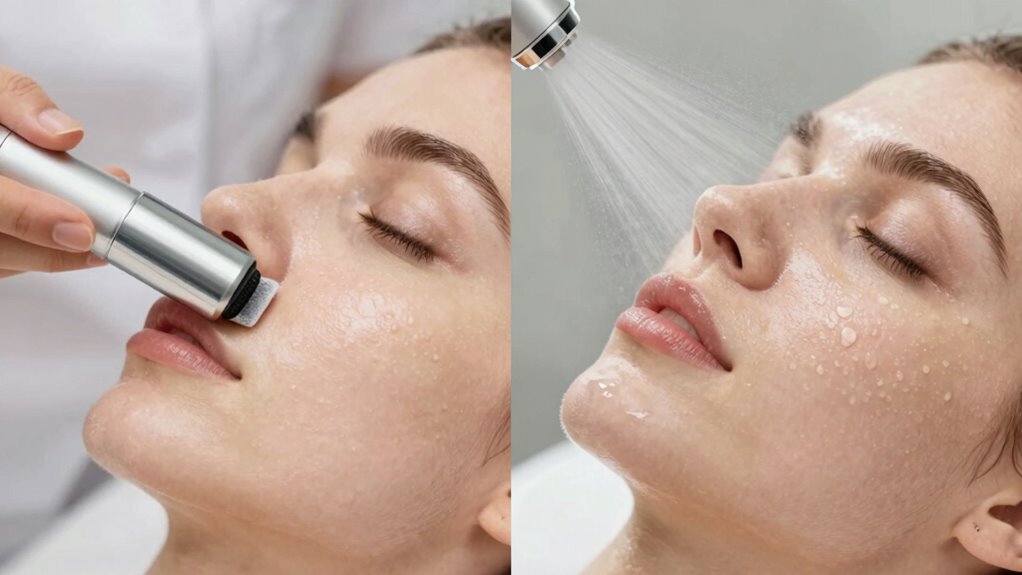
Choosing between microdermabrasion and hydrodermabrasion depends largely on your skin type and your specific goals. If you seek skin rejuvenation with minimal downtime, microdermabrasion offers effective exfoliation for most skin types. Hydrodermabrasion provides deep cleansing and hydration, making it ideal for sensitive or dry skin. To help you decide, here’s a quick comparison:
| Feature | Microdermabrasion | Hydrodermabrasion | Best For |
|---|---|---|---|
| Skin type compatibility | Oily, acne-prone, normal | Sensitive, dry, aging | Customizable for unique needs |
| Treatment focus | Exfoliation, skin rejuvenation | Deep cleansing, hydration | Targeted treatment goals |
| Downtime | Minimal | Minimal | Quick recovery |
| Sensitivity considerations | Less suitable for sensitive skin | Suitable for sensitive skin | Personalized skin care |
| Overall benefit | Brightening, refining skin tone | Hydration, smoothness | Achieving specific goals |
Your choice hinges on your skin’s needs and goals, ensuring effective treatment customization.
What Should You Expect Before, During, and After Your Microdermabrasion or Hydrodermabrasion Session?
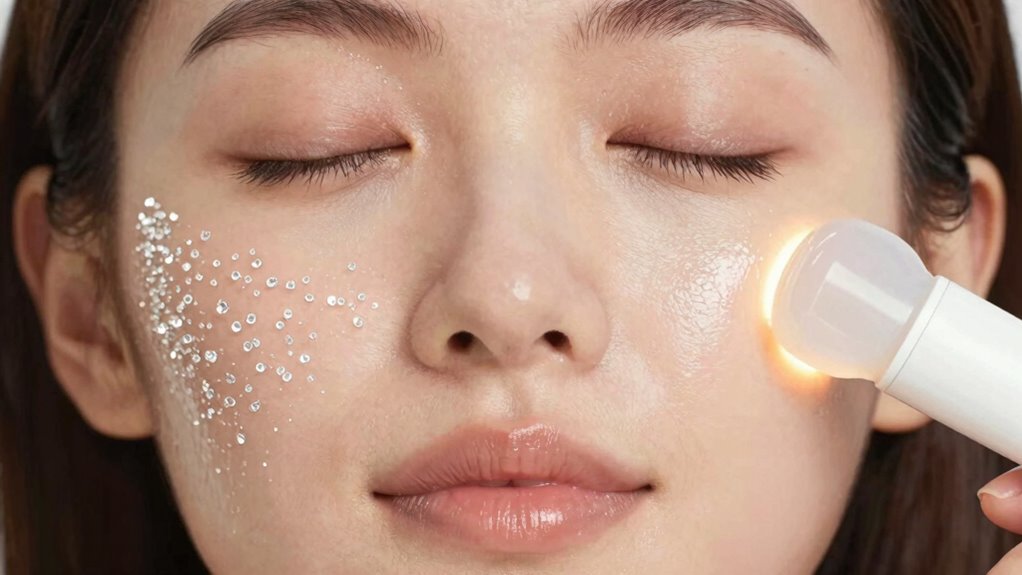
Before your microdermabrasion or hydrodermabrasion session, you’ll have a consultation with your skincare professional to discuss your skin concerns, goals, and any allergies or sensitivities. This helps tailor your treatment preparation and guarantees your skincare routines support ideal results. On the day of the session, expect the technician to cleanse your skin and may apply a numbing agent if needed. During treatment, you’ll feel a gentle scraping or suction, depending on the procedure. There’s minimal discomfort, and sessions usually last around 30 minutes. Afterward, your skin might appear slightly red or sensitive but should calm quickly. Post-treatment, avoid harsh skincare routines and protect your skin with sunscreen. Proper care enhances your results and supports skin recovery.
Frequently Asked Questions
Are Microdermabrasion and Hydrodermabrasion Suitable for Sensitive Skin?
If you have sensitive skin, microdermabrasion and hydrodermabrasion might still be suitable, but you should proceed with caution. Microdermabrasion can sometimes cause irritation, so it’s crucial to consult with a skincare professional to determine if it’s appropriate for your skin type. Hydrodermabrasion tends to be gentler and more hydrating, making it a better option if your skin easily reacts to treatments. Always prioritize personalized advice for safe treatment suitability.
How Often Should I Undergo These Treatments for Optimal Results?
Most people see ideal results with treatments every 4 to 6 weeks. This treatment frequency allows your skin to renew naturally, maximizing benefits like improved texture and clarity. Maintaining a consistent schedule is key; too frequent sessions can cause irritation, while infrequent ones might slow progress. Stick to a personalized maintenance schedule recommended by your skincare professional to ensure healthy, glowing skin over time.
Can These Treatments Be Combined With Other Skincare Procedures?
Yes, you can combine microdermabrasion and hydrodermabrasion with other skincare procedures, but it’s important to ensure treatment compatibility. Consult your skincare professional to develop a safe combination skincare plan tailored to your skin type and goals. They’ll ensure that these treatments complement each other without causing irritation or reducing effectiveness, giving you a comprehensive approach to achieving healthier, glowing skin.
Are There Any Long-Term Side Effects Associated With Microdermabrasion or Hydrodermabrasion?
Did you know that over 80% of microdermabrasion and hydrodermabrasion users report no long-term side effects? These treatments are generally safe when performed by a professional, but there are some safety considerations. Long-term effects are rare, but over-exfoliation can cause skin sensitivity or uneven tone. To minimize risks, follow your provider’s aftercare advice and avoid excessive treatments.
What Is the Cost Difference Between Microdermabrasion and Hydrodermabrasion?
You’ll find that microdermabrasion generally costs less than hydrodermabrasion, making it more affordable for many. Treatment costs for microdermabrasion typically range from $75 to $200 per session, while hydrodermabrasion can be $150 to $300 or more. The affordability comparison shows microdermabrasion as a budget-friendly option, but hydrodermabrasion offers more advanced hydration benefits. Your choice depends on your budget and skin goals.
Conclusion
Choosing between microdermabrasion and hydrodermabrasion is like selecting the perfect brush for your unique canvas. Both reveal your skin’s hidden glow, but each offers a different path to renewal. Trust your goals and skin type to guide you—like a compass leading to clearer, brighter days. Embrace the journey, knowing that with the right treatment, your skin can bloom like a well-tended garden, radiant and full of life.