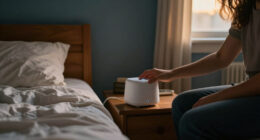
Sunrise alarm clocks for mood pair gradually brightening light with sounds or bedtime features to make waking feel less abrupt. My best overall pick is the Philips SmartSleep Sleep and Wake-Up Light HF3650/60, which stands out for a more focused light-based routine; the Hatch Restore 3 suits people seeking a connected sleep routine, while the Magicteam Sunrise Alarm Clock offers a broad selection of sounds and colored light options. The main tradeoffs are simplicity versus customization, and whether you want a dedicated light or a clock that also serves as a sound machine and mood lamp. Read on for the full comparison and guidance on matching features to your waking habits.

Give the gift of listening to someone who needs a break
- Choose a 1-, 3-, 6- or 12-month membership
- They pick the audiobooks they love
- Easy to send by email
Key Takeaways
- The Philips HF3650/60 and HF3520/60 stand apart as light-focused choices, while many other models combine sunrise alarms with sound machines, radios, or colored night lights.
- Hatch Restore 3 is the connected-routine pick; it is better suited to buyers who want a broader sleep setup than those seeking a straightforward bedside alarm.
- Magicteam emphasizes choice with dual alarms, 28 sounds, sunset simulation, and 12-color lighting, but that range may be more control than a minimalist sleeper needs.
- Sound variety is a major dividing line: models such as the JALL and Westclox add radio or speaker functions, while simpler clocks keep the bedside setup more focused.
- Room style and footprint matter alongside wake-up features: the REACHER wood-grain design and the khaki option offer different visual fits, but appearance alone does not replace checking controls and light behavior.
| Sunrise Alarm Clock with Sound Machine |  | Best for a Highly Customizable Wake-Up | Sunrise duration: 10–60 minutes | Sunrise brightness: 50+ to 600+ lux | Brightness levels: 20 | VIEW LATEST PRICE | See Our Full Breakdown |
| Sunrise Alarm Clock and Sound Machine with Wake-Up Light |  | Best for Beginners | Sunrise simulation: 0–120 minutes | Wake-up modes: Light and sound, alarm only, or light only | Sounds: 30 | VIEW LATEST PRICE | See Our Full Breakdown |
| Magicteam Sunrise Alarm Clock with Sunset Simulation, Dual Alarms, 28 Sounds, and 12-Color Night Light |  | Best for a Matched Evening-and-Morning Routine | Sunrise simulation: Begins 10 minutes before the alarm | Alarms: Dual alarms with four scheduling modes | Snooze: Six snoozes, 9 minutes each | VIEW LATEST PRICE | See Our Full Breakdown |
| Sunrise Alarm Clock with Sound Machine and Moon Lamp | 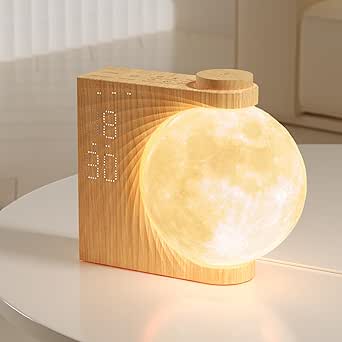 | Best for Decorative Mood Lighting | Alarms: 2 | Alarm tones: 15 | Nature sounds: 10 | VIEW LATEST PRICE | See Our Full Breakdown |
| Glocusent Sunrise Alarm Clock and Sound Machine |  | Best for App and Audio Flexibility | Alarm sounds: 10 | White-noise sounds: 30 | Speaker output: 5 W | VIEW LATEST PRICE | See Our Full Breakdown |
| Sunrise Alarm Clock with White Noise Machine, Khaki |  | Best for Shared Schedules | Sunrise simulation: 10–60 minutes before alarm | Alarms: 2 independent alarms | Wake-up sounds: 10 | VIEW LATEST PRICE | See Our Full Breakdown |
| Sunrise Alarm Clock with Sound Machine and Gentle Wake-Up Light |  | Best for Beginners | Sunrise simulation: 10–60 minutes | Brightness: 13 levels | Volume: 32 levels | VIEW LATEST PRICE | See Our Full Breakdown |
| Philips SmartSleep Sleep and Wake-Up Light, HF3650/60 |  | Best for a Full Wind-Down Routine | Model: HF3650/60 | Wake-up: Customizable sunrise with light and sound | Wind-down: Sunset simulation and RelaxBreathe guided breathing | VIEW LATEST PRICE | See Our Full Breakdown |
| KEPLUG Sunrise Alarm Clock with Dual Alarm, Sound Machine, and Dimmable RGB Night Light |  | Best Compact Color-Light Pick | Dimensions: 5.47 in W × 6.3 in H | Sunrise duration: 0–60 minutes | Alarms: 2 | VIEW LATEST PRICE | See Our Full Breakdown |
| Philips SmartSleep Wake-Up Light with Sunrise and Sunset Simulation, FM Radio, and Reading Lamp (HF3520/60) |  | Best for Reading Before Bed | Model: HF3520/60 | Display: Digital with automatic dimming | Wake-up sounds: 5 natural sounds | VIEW LATEST PRICE | See Our Full Breakdown |
| JALL Sunrise Alarm Clock with White Noise, Nature Sounds, FM Radio, and Bluetooth Speaker |  | Best for an All-in-One Bedside Setup | Sunrise simulation: 10–60 minutes | Alarm schedules: Daily, weekday, and weekend | Sleep sounds: 25 | VIEW LATEST PRICE | See Our Full Breakdown |
| Hatch Restore 3 Sunrise Alarm Clock and Sleep Sound Machine, Putty |  | Best Premium App-Guided Routine | Sleep sounds: 80+ | Connectivity: 2.4 GHz Wi-Fi and Bluetooth | Display: Digital, dimmable clock | VIEW LATEST PRICE | See Our Full Breakdown |
| Westclox Sunrise Wakeup Light Alarm Clock with Nature Sounds and Wireless Speaker |  | Best for Sunrise-and-Sunset Lighting | Lighting routines: Gradual sunrise and sunset | Light modes: 16 color modes with adjustable brightness | Sounds: 10 nature sounds and lullabies | VIEW LATEST PRICE | See Our Full Breakdown |
| DREYNAR Sunrise Alarm Clock with Sleep Sound Machine and RGB Mood Light |  | Best for Multiple Household Alarms | Alarms: 4 independent alarms | Sunrise simulation: 10–90 minutes; red to warm white | Wake-up sounds: 10 | VIEW LATEST PRICE | See Our Full Breakdown |
| REACHER Wood Grain Sunrise Alarm Clock with Sound Machine and Nightlight |  | Best Simple, Bedroom-Friendly Pick | Sunrise duration: 5–60 minutes | Sleep sounds: 26 | Sound and nightlight timer: 5–180 minutes | VIEW LATEST PRICE | See Our Full Breakdown |
More Details on Our Top Picks
Sunrise Alarm Clock with Sound Machine
For a mood-focused routine that needs fine control over morning light, this model offers a 10–60-minute sunrise with 20 brightness levels and a stated range from 50+ to 600+ lux. That gives more room to tune the ramp than the Magicteam clock, whose sunrise begins just 10 minutes before the alarm. Its 30 non-looping sounds, Bluetooth audio, and sleep timer also make it a more flexible bedside sound hub than the moon-shaped lamp, which has fewer nature sounds and fixed timer choices. The tradeoff is a busy feature set: adjusting alarms, light, sound, and display settings may take patience. Its listed maximum sound pressure level is high enough that cautious sleepers should keep volume low. I’d choose it for customization, not for a stripped-back bedside setup.
Pros:- Sunrise duration adjusts from 10 to 60 minutes, with 20 brightness levels
- Includes 30 non-looping white-noise and nature sounds with a sleep timer
- Bluetooth audio adds a playback option beyond built-in sounds
- Dual alarms, snooze, and an adjustable night light combine several bedside functions
Cons:- The many adjustable settings may take time to configure
- The listed maximum sound pressure level of 101.4 dB ±3 dB may be excessive for sensitive sleepers
Best for: Sleepers who want to fine-tune sunrise duration and brightness while using varied sounds or Bluetooth audio at bedtime
Not ideal for: People who want simple controls or are sensitive to loud audio and would rather avoid a device with many settings
- Sunrise duration:10–60 minutes
- Sunrise brightness:50+ to 600+ lux
- Brightness levels:20
- Built-in sounds:30: 10 white-noise options and 20 nature sounds
- Speaker:52 mm full-range, 5 W
- Sleep timer:10–480 minutes or continuous play
- Alarms:Dual alarms with snooze
- Connectivity:Bluetooth
Our verdict“Choose this if you want unusually flexible light and audio controls; skip it if you prefer a simpler clock with fewer settings.”
Sunrise Alarm Clock and Sound Machine with Wake-Up Light
The standout here is an unusually broad 0–120-minute sunrise range, paired with three clear wake-up choices: light and sound, alarm only, or light only. That flexibility can help a new sunrise-clock user start with a gentle light cue and add sound only if needed. Compared with the first clock in this lineup, its USB-powered design and more limited sleep-timer range make it less of an all-purpose audio hub, but its independent display and light dimmers give useful control over nighttime brightness. The 12-color night light adds a separate mood-light option. One practical limitation matters: USB power is required for normal operation, and the two AAA batteries only preserve time settings during an outage. I’d favor it for straightforward routine-building over cord-free flexibility.
Pros:- Sunrise simulation adjusts from 0 to 120 minutes
- Three wake-up modes let users choose light, sound, or both
- Independent display and light dimmers help limit unwanted nighttime brightness
- Offers 30 sounds, a 12-color night light, and adjustable brightness
Cons:- USB power is required for normal clock operation
- AAA batteries are not included and preserve time settings only during an outage
Best for: First-time sunrise-clock buyers who want several wake-up modes, a long adjustable light ramp, and separate controls for the display and lamp
Not ideal for: People who need a clock that operates normally on batteries or want a longer sleep timer than 120 minutes
- Sunrise simulation:0–120 minutes
- Wake-up modes:Light and sound, alarm only, or light only
- Sounds:30
- Light brightness:20 levels
- Night-light colors:12 RGB colors
- Sleep timer:15–120 minutes
- Power:USB; wall plug included
- Backup:Two AAA batteries, not included; preserves time settings only
Our verdict“Pick this for an adjustable, beginner-friendly light routine, but not if battery-powered operation is a requirement.”
Magicteam Sunrise Alarm Clock with Sunset Simulation, Dual Alarms, 28 Sounds, and 12-Color Night Light
The Magicteam is the clearest choice here for pairing a short sunrise with a gradual sunset. Its light begins brightening 10 minutes before the alarm, then sunset mode dims the light while reducing sound—an evening wind-down feature absent from the Glocusent clock’s listed functions. That makes it better suited to someone seeking bookend lighting cues than someone who wants to fine-tune a long morning ramp. The dual alarms and four scheduling modes add flexibility for changing weekday and weekend routines, while the 28 ringtones and 12 light colors offer variety. Its main compromise is the fixed 10-minute sunrise start; the first two clocks allow longer or more adjustable ramps. It also needs corded power, though its memory function retains settings during outages.
Pros:- Combines sunrise lighting with a sunset mode that dims light and decreases sound
- Dual alarms offer four scheduling modes
- Provides 28 ringtones, 12 light colors, and 10 brightness levels
- Memory function retains settings during power outages
Cons:- Sunrise simulation begins only 10 minutes before the alarm
- Corded electric power can limit where it sits
Best for: People who want both a brief wake-up light and a gradual, sound-reducing wind-down routine, especially households with different alarm schedules
Not ideal for: Sleepers who want to customize a long sunrise duration or need flexible placement away from a power outlet
- Sunrise simulation:Begins 10 minutes before the alarm
- Alarms:Dual alarms with four scheduling modes
- Snooze:Six snoozes, 9 minutes each
- Sounds:28 ringtones
- Light colors:12
- Brightness:10 levels
- Timer:10–90 minutes or continuous playback
- Power:Corded electric, 5 V DC
Our verdict“Choose the Magicteam for paired evening and morning cues, but choose a longer-ramp model if you want a slower wake-up.”
Sunrise Alarm Clock with Sound Machine and Moon Lamp
This clock puts its decorative lamp first: the moon-shaped light, 10 color effects, and breathing-light mode make it a more ambient bedside accent than the more function-led Magicteam. For waking, though, its gradual light applies to alarm 1 only and starts just 10 minutes before the alarm. That is a narrower routine than the first two clocks, which allow a wider range of sunrise durations. The two alarms, 15 tones, and 10 nature sounds cover everyday alarm and wind-down needs, with 30-, 60-, or 90-minute sound timers. I’d pick it when the lamp’s appearance and color effects matter as much as the wake-up cue. The plastic moon cannot rotate, RGB brightness is not adjustable, and continuous adapter power limits placement.
Pros:- Moon-shaped lamp offers 10 color effects and a breathing-light mode
- Two alarms and 15 alarm tones provide options for different routines
- Alarm 1 can gradually brighten or be set to light-only waking
- Nature sounds have 30-, 60-, and 90-minute timer options
Cons:- Wake-up light starts only 10 minutes before alarm 1
- Requires continuous adapter power and has no built-in battery
- Plastic moon cannot rotate, and RGB brightness is not adjustable
Best for: Buyers who want a decorative moon-style bedside lamp with basic sunrise waking, selectable colors, and nature sounds
Not ideal for: People who prioritize a long, adjustable sunrise, adjustable RGB brightness, or a lamp that can be positioned without continuous power
- Alarms:2
- Alarm tones:15
- Nature sounds:10
- Wake-up light:Gradually brightens 10 minutes before alarm 1
- Lighting:10 color effects, 3 night-light brightness levels, and 1 breathing light
- Sound timer:30, 60, or 90 minutes
- Power:Corded electric; continuous adapter power required
- Dimensions:2 × 2.7 × 8 inches
Our verdict“Pick this for decorative bedside mood lighting with a simple sunrise cue, not for the most adjustable wake-up routine.”
Glocusent Sunrise Alarm Clock and Sound Machine
The Glocusent is the most varied audio pick in this group: alongside 30 relaxing sounds, it adds Bluetooth streaming and FM radio, while app and button controls give buyers two ways to adjust the routine. That makes it a stronger fit for listeners who want to switch between built-in sound and outside audio than the Magicteam, which focuses on built-in ringtones and sunset playback. Its dual alarms and 20 brightness levels support separate schedules and light tuning, while a 1000mAh backup battery is intended for temporary interruptions. The tradeoff is that the product data does not state a sunrise duration or lux range, so buyers seeking precise light-ramp specifications may prefer the first or second clock. The manufacturer also recommends the included cable, and the backup battery is not presented as normal operating power.
Pros:- Combines 30 relaxing sounds, Bluetooth streaming, and FM radio
- Offers dual alarms and 20 brightness levels
- Settings can be controlled through physical buttons or an app
- 1000mAh backup battery is provided for temporary power interruptions
Cons:- Sunrise duration and light output in lux are not specified in the product data
- Manufacturer recommends use of the included power cable
- Backup battery is described for temporary interruptions rather than regular operation
Best for: Listeners who want built-in sleep sounds plus Bluetooth and FM radio, with app controls and a backup for temporary power interruptions
Not ideal for: Buyers who need a specified sunrise duration or lux output, or expect the backup battery to replace regular powered use
- Alarm sounds:10
- White-noise sounds:30
- Speaker output:5 W
- Sleep timer:10–180 minutes
- Lighting:12 modes and 20 brightness levels
- Audio sources:Built-in sounds, Bluetooth, and FM radio
- Controls:Physical buttons and app
- Backup battery:1000 mAh
Our verdict“Choose the Glocusent for flexible listening and app control, but favor a clock with stated sunrise timing if light specifications guide your decision.”
Sunrise Alarm Clock with White Noise Machine, Khaki
Two independent alarms and customizable schedules make this a stronger fit for couples or households with different wake times than the single-routine Philips HF3520/60. Its 10–60-minute sunrise and 20 brightness levels give you room to shape a gradual, visually soothing start, while 30 calming sounds and Bluetooth playback add ways to personalize the bedside atmosphere. The khaki finish and compact tabletop footprint also keep it practical as a nightstand light rather than just an alarm.
There is a meaningful sound tradeoff: white noise turns off during sunrise simulation, so it cannot maintain that sound continuously through the light-based wake-up. A backup battery retains settings, but it does not make the alarm work during a full outage. Compared with the simpler B0DSPVRXD2, this model adds Bluetooth and two alarms, but asks you to accept that split between sound and sunrise.
Pros:- Two independent alarms and flexible schedules suit different wake times
- Sunrise can begin 10–60 minutes before the alarm, with 20 brightness levels
- 30 soothing sounds, 10 wake-up sounds, and Bluetooth audio playback offer varied mood-setting options
- Backup battery retains clock settings during power outages
Cons:- White noise turns off while sunrise simulation is active
- Alarm will not sound during a complete power outage
- Bluetooth is for audio playback, not controlling alarm or lighting settings
Best for: Couples or households with different wake times who want customizable light, sound, and Bluetooth playback in one bedside unit
Not ideal for: People who need white noise to continue throughout sunrise or want an alarm that sounds during a power outage
- Sunrise simulation:10–60 minutes before alarm
- Alarms:2 independent alarms
- Wake-up sounds:10
- Soothing sounds:30
- Lighting:17 modes: 8 static colors and 9 RGB
- Brightness:20 dimming levels
- Connectivity:Bluetooth 5.3 and USB-C
- Dimensions:6.5 in W × 6.23 in H
Our verdict“Choose this if two wake schedules and flexible bedside audio matter more than continuous white noise during sunrise.”
Sunrise Alarm Clock with Sound Machine and Gentle Wake-Up Light
This is the most straightforward mood-focused choice in this group: a gradual 10–60-minute sunrise paired with 30 white-noise and nature sounds, without the extra Bluetooth and color-light features found on the khaki clock. That simpler feature mix may suit someone building a calming morning routine for the first time. Its 13 brightness levels and 32 volume levels also offer fine control over how noticeable the light and sound feel at bedtime or wake-up.
Compared with the KEPLUG, it lists more volume levels and a longer sleep-timer range, but the description does not identify its dimensions or power source, making bedside fit and setup harder to judge before buying. Customizing light and sound also involves adjusting multiple settings. The memory function, snooze, and dimmable display support routine use, though this is less of an all-in-one mood lamp than the Philips HF3650/60, which adds sunset and guided breathing features.
Pros:- Sunrise duration adjusts from 10 to 60 minutes
- 13 brightness levels and 32 volume levels allow detailed light and sound adjustment
- Includes 30 sounds, split between white noise and nature sounds
- Sleep timer, snooze, memory function, and dimmable display support bedside routines
Cons:- Light and sound customization requires adjusting multiple settings
- Product details do not specify dimensions or power source
Best for: First-time sunrise-clock buyers who want adjustable natural sounds and light without Bluetooth or elaborate lighting modes
Not ideal for: Buyers who need confirmed dimensions or power details, or want guided breathing and sunset simulation in the same device
- Sunrise simulation:10–60 minutes
- Brightness:13 levels
- Volume:32 levels
- Sounds:30 total: 10 white noise and 20 nature sounds
- Sleep timer:30–480 minutes
- Display dimmer:5 levels
- Additional features:Continuous play, memory function, snooze, and backlit buttons
Our verdict“Pick this for a relatively simple sunrise-and-sound routine, but choose a better-documented model if size or power setup is a deciding factor.”
Philips SmartSleep Sleep and Wake-Up Light, HF3650/60
The HF3650/60 treats mood as part of the whole sleep-wake cycle rather than only the morning alarm. Customizable sunrise and sunset profiles let light and sound support both waking and winding down, while RelaxBreathe guided breathing gives bedtime a structured, screen-free cue. That broader routine sets it apart from the KEPLUG, which offers colorful light and sleep sounds but no listed sunset or breathing program.
This Philips also combines an FM radio, speaker, phone charging dock, midnight light, and smart snooze, making it the most feature-rich option among these five. The tradeoff is that its description provides no dimensions or power requirements, so I cannot judge bedside footprint or outlet setup from the supplied details. Buyers who want only a gradual morning light may find the extra routine features unnecessary; the more focused HF3520/60 keeps sunrise, sunset, radio, and reading light without the guided breathing emphasis.
Pros:- Customizable sunrise and sunset profiles support both waking and winding down
- RelaxBreathe guided breathing adds a structured bedtime activity
- Combines FM radio, speaker, phone charging dock, and midnight light
- Smart snooze and auto-dimming display add bedside convenience
Cons:- Product details do not specify physical dimensions
- Product details do not specify power requirements
- Its broad set of routine features may be unnecessary for buyers seeking only a sunrise alarm
Best for: People who want a coordinated bedtime and morning routine, especially those interested in guided breathing as well as sunrise light
Not ideal for: Minimalists who only need a wake-up light, or buyers who must confirm exact dimensions and power requirements before choosing
- Model:HF3650/60
- Wake-up:Customizable sunrise with light and sound
- Wind-down:Sunset simulation and RelaxBreathe guided breathing
- Radio:FM radio
- Charging:Phone charging dock
- Lighting:Midnight light and auto-dimming display
- Other features:Speaker, backup power, and smart snooze
Our verdict“Choose the HF3650/60 if you want bedtime breathing and sunset cues alongside a customizable morning wake-up.”
KEPLUG Sunrise Alarm Clock with Dual Alarm, Sound Machine, and Dimmable RGB Night Light
At 5.47 inches wide, the KEPLUG takes up less listed width than the khaki sunrise clock, making it a practical choice when nightstand space is tight. It still covers the core mood-building basics: a sunrise that can begin up to an hour early, 30 sleep sounds, two alarms, and an RGB light with 20 brightness levels. The eight color choices make it more adaptable as a dim night light than the Philips HF3520/60, whose listed lighting strength is its adjustable reading lamp rather than a multicolor mood light.
The limits are functional, not cosmetic. It needs USB power for normal operation, and the optional two AAA batteries preserve settings only; they cannot run the clock through an outage. Its timer tops out at 180 minutes, shorter than the B0DSPVRXD2’s listed 480-minute maximum. For a compact, colorful bedside glow this is well equipped, but it is less suited to long sound sessions or power-independent use.
Pros:- Compact listed width helps it fit crowded bedside tables
- Sunrise duration adjusts from 0 to 60 minutes
- Two alarms, seven alarm sounds, and 30 sleep sounds support varied routines
- Eight RGB colors and 20 brightness levels offer flexible night lighting
Cons:- Requires USB power for normal operation
- Two AAA backup batteries are not included and preserve settings only
- Sleep timer is limited to 180 minutes, shorter than the B0DSPVRXD2’s listed maximum
Best for: People with limited nightstand space who want dual alarms, soothing sounds, and a colorful dimmable bedside light
Not ideal for: Buyers who need long sleep-sound timers or want the clock to operate normally during a power outage
- Dimensions:5.47 in W × 6.3 in H
- Sunrise duration:0–60 minutes
- Alarms:2
- Alarm sounds:7
- Sleep sounds:30
- Lighting:8 RGB colors and 20 brightness levels
- Volume:16 levels
- Sleep timer:15, 30, 60, 90, 120, or 180 minutes
- Battery backup:2 AAA batteries, not included; preserves time settings only
Our verdict“Choose the KEPLUG for a compact, colorful sunrise-and-sound setup, not for extended timers or outage operation.”
Philips SmartSleep Wake-Up Light with Sunrise and Sunset Simulation, FM Radio, and Reading Lamp (HF3520/60)
The HF3520/60 stands out for pairing sunrise and sunset simulation with a proper reading lamp, so its mood appeal extends beyond the alarm itself. Twenty brightness settings give you control over bedside reading light, while the five natural wake-up sounds, FM radio, tap snooze, and auto-dimming display cover the basics without crowding the routine with the guided breathing and charging features of the Philips HF3650/60.
Compared with the KEPLUG, this is a more focused light-and-radio setup, but it gives up RGB color options and a listed sound-machine library. The reading lamp may suit someone who wants a calmer pre-sleep habit, yet buyers seeking lots of white noise or nature tracks should look elsewhere. It is corded electric, and its plastic construction may feel less substantial than the idea of a dedicated bedside mood lamp suggests. The supplied details also list USB connectivity without describing its function.
Pros:- Sunrise and sunset simulation support both morning and evening routines
- Reading lamp offers 20 brightness settings
- Five natural wake-up sounds and FM radio provide audio choices
- Tap snooze and an automatically dimming display suit bedside use
Cons:- Requires corded electric power
- No white-noise or broader sleep-sound library is specified
- Plastic construction and no listed dimensions may leave fit and finish unclear
Best for: Readers who want a sunrise alarm and adjustable bedside reading light, plus a simple sunset cue before sleep
Not ideal for: People who prioritize a large white-noise library, RGB mood colors, or cordless operation
- Model:HF3520/60
- Display:Digital with automatic dimming
- Wake-up sounds:5 natural sounds
- Brightness:20 settings
- Lighting features:Sunrise and sunset simulation; reading lamp
- Additional features:FM radio, tap snooze, and motion sensor
- Power and connectivity:Corded electric; USB connectivity
- Weight:1113 g
- Material and mounting:Plastic; tabletop
Our verdict“Pick the HF3520/60 if reading light and a simple sunset routine matter more than RGB lighting or a broad sound library.”
JALL Sunrise Alarm Clock with White Noise, Nature Sounds, FM Radio, and Bluetooth Speaker
The JALL suits buyers who want a sunrise light plus several ways to wind down without relying on an app. Its sunrise can be set from 10 to 60 minutes, and separate daily, weekday, and weekend alarms help keep changing schedules from disrupting a wake-up routine. Compared with the REACHER Wood Grain Sunrise Alarm Clock, JALL adds FM radio and a Bluetooth speaker, making it more flexible for listening; REACHER is the simpler choice if labeled controls and a wood-grain look matter more.
The tradeoff is a feature-heavy setup that may be more than someone seeking only gentle morning light needs. It also requires corded USB power, and the product data gives conflicting dimensions, so I would check the available bedside space before buying. Screen blackout is a useful mood-friendly touch for people sensitive to nighttime light, though the listed lighting effects may be less appealing to anyone who prefers a restrained bedside glow.
Pros:- Sunrise duration adjusts from 10 to 60 minutes for a more gradual wake-up.
- Separate daily, weekday, and weekend alarms support changing routines.
- Includes 25 sleep sounds, FM radio, and a 5W Bluetooth speaker.
- Screen blackout mode can keep the display from adding light at night.
Cons:- Requires USB corded power for operation.
- Product data lists conflicting dimensions, making bedside fit harder to judge.
- The range of audio and lighting options may feel excessive for buyers who want a basic wake-up light.
Best for: People who want sunrise waking, multiple alarm schedules, sleep audio, radio, and phone-streamed sound in one bedside device.
Not ideal for: Minimalists who want a simple light alarm, or anyone who needs a battery-powered clock or precise published dimensions.
- Sunrise simulation:10–60 minutes
- Alarm schedules:Daily, weekday, and weekend
- Sleep sounds:25
- Lighting effects:17: 8 solid colors and 9 dynamic RGB modes
- Audio:FM radio, 76–108 MHz; 5W Bluetooth speaker
- Sleep timer:10–480 minutes
- Power:USB, corded electric; requires 1 AA battery
- Listed dimensions:12.4 × 10.2 × 3.2 inches; separate item dimensions listed as 7.2 × 7.2 inches
Our verdict“Choose JALL if you want one corded bedside device for gradual waking, sleep sounds, radio, and Bluetooth audio.”
Hatch Restore 3 Sunrise Alarm Clock and Sleep Sound Machine, Putty
The Hatch Restore 3 is the strongest fit here for someone who wants a guided bedtime-to-morning routine, not just a sunrise alarm. More than 80 sleep sounds, customizable lighting and audio, a dimmable clock, and app-based bedtime content give it a broader routine-building approach than the DREYNAR Sunrise Alarm Clock, which keeps its settings on the device and works without Wi-Fi. That app connection may suit people who like choosing meditation or bedtime content from a phone, while the dimmable display helps limit a bright clock face at night.
The important tradeoff is ongoing access: some content and features require a Hatch+ subscription after the 30-day trial. It also needs corded power and a 2.4 GHz Wi-Fi network for connectivity, so it is less appealing to buyers who want an offline, self-contained alarm. I’d choose Hatch for its content-led routine, not simply for a gradual morning light.
Pros:- More than 80 sleep sounds offer a broad choice for bedtime audio.
- Customizable audio and lighting can support a consistent evening and morning routine.
- Dimmable clock is designed to keep the room dark while sleeping.
- Hatch Sleep app provides bedtime content and meditations.
Cons:- Some features and content require a Hatch+ subscription after the 30-day trial.
- Connectivity requires a 2.4 GHz Wi-Fi network, alongside corded power.
- App dependence may be a poor fit for people who want to control everything directly on the clock.
Best for: Sleep-routine builders who want a large sound library, app-based meditations, customizable lighting, and a dim clock display.
Not ideal for: Buyers who prefer offline controls, do not want subscription-dependent content, or lack a 2.4 GHz Wi-Fi network.
- Sleep sounds:80+
- Connectivity:2.4 GHz Wi-Fi and Bluetooth
- Display:Digital, dimmable clock
- Routine features:Customizable audio and lighting; sunrise alarm
- App content:Hatch Sleep bedtime content and meditations; some features require Hatch+ after a 30-day trial
- Power:Corded
- Dimensions:2.43 in W × 5.31 in H
- Warranty:1-year limited manufacturer warranty
Our verdict“Pick Hatch Restore 3 if app-guided bedtime content matters more to you than subscription-free, offline simplicity.”
Westclox Sunrise Wakeup Light Alarm Clock with Nature Sounds and Wireless Speaker
Westclox stands out for pairing gradual sunrise and sunset lighting, which gives mood-focused buyers a way to shape both waking and winding down. Its 16 color modes and adjustable display add flexibility, while nature sounds, lullabies, FM presets, and a wireless speaker cover several familiar bedside listening needs. Compared with the JALL Sunrise Alarm Clock, Westclox includes a stated sunset routine and a simpler set of 10 sounds; JALL instead offers 25 sleep sounds and a Bluetooth speaker with a stated 5W output.
This is a reasonable match for someone who wants light cues at both ends of the day without a connected app. The tradeoffs are corded-only operation and a plastic frame, and the product details do not specify a sunrise duration. That missing timing information makes it harder to compare how gradually the light can build against models with a defined adjustment range.
Pros:- Sunrise and sunset lighting can support both waking and bedtime routines.
- Offers 16 color modes with adjustable brightness.
- Includes 10 nature sounds and lullabies, plus FM radio with up to 12 presets.
- Built-in wireless speaker adds an audio option beyond the clock’s sound library.
Cons:- Requires corded power and access to an outlet.
- Plastic frame may feel less refined than the REACHER wood-grain design.
- Product details do not state the sunrise simulation duration.
Best for: Bedside users who want both sunrise waking and sunset lighting, plus radio presets and a wireless speaker.
Not ideal for: Buyers who need a specified sunrise duration, battery-powered operation, or a more premium frame material.
- Lighting routines:Gradual sunrise and sunset
- Light modes:16 color modes with adjustable brightness
- Sounds:10 nature sounds and lullabies
- Radio:FM with up to 12 station presets
- Speaker:Built-in wireless speaker
- Display:Digital LED, adjustable
- Power:Corded electric
- Dimensions and weight:8 in W × 4.25 in H; 1.3 lb
Our verdict“Choose Westclox if you value sunset lighting as much as a gentler wake-up and can accept corded power.”
DREYNAR Sunrise Alarm Clock with Sleep Sound Machine and RGB Mood Light
DREYNAR makes the most sense when several people or schedules share one clock: four independent alarms give it an advantage over the REACHER, which is presented more as a simple personal bedside option. Its sunrise can run for 10–90 minutes and warms from red toward warm white, so buyers can choose a longer lead-in for a less abrupt start. Sunset lighting, white noise, and a sleep timer extend the mood-focused use into bedtime, while the six display themes let owners tailor the clock’s appearance.
Unlike the Hatch Restore 3, DREYNAR needs no Wi-Fi or app, which favors direct, offline use; the tradeoff is that it lacks Hatch’s app-based meditations and larger sound library. It is also corded, and its 10 wake-up sounds and 10 white-noise tracks may not satisfy people who want a very broad audio selection. I’d favor it for flexible alarms and lighting controls, not connected sleep coaching.
Pros:- Four independent alarms can accommodate multiple people or changing schedules.
- Sunrise duration adjusts from 10 to 90 minutes, with a red-to-warm-white light progression.
- Sunset lighting, white noise, and a sleep timer support more than the wake-up routine.
- Works without Wi-Fi or an app and automatically adjusts for daylight saving time.
Cons:- Requires corded electric power.
- No app or Wi-Fi connectivity for remote control or connected sleep content.
- The listed sound selection is smaller than Hatch Restore 3’s 80+ sleep sounds.
Best for: Households or shift workers who need up to four separate alarm settings and want adjustable sunrise, sunset, and mood lighting without an app.
Not ideal for: People seeking app-based sleep content, wireless operation, or an especially large library of sounds.
- Alarms:4 independent alarms
- Sunrise simulation:10–90 minutes; red to warm white
- Wake-up sounds:10
- White-noise tracks:10 non-looping tracks
- Lighting:8 dynamic effects, 12 solid colors, and 10 brightness levels
- Sleep timer:5–120 minutes
- Display:2.4-inch circular IPS HD display with 6 clock themes
- Power and connectivity:Corded electric; no Wi-Fi or app required
- Daylight saving time:Automatic adjustment
Our verdict“Pick DREYNAR if multiple alarms and app-free lighting controls matter more than connected content or a large sound library.”
REACHER Wood Grain Sunrise Alarm Clock with Sound Machine and Nightlight
REACHER is the straightforward choice for a buyer who wants gradual light, sleep sounds, and a restrained bedside design without radio or app features. Its sunrise range starts at five minutes, shorter than the JALL’s 10-minute minimum, and extends to 60 minutes; that gives buyers a wider choice of lead-in, though those seeking very long sunrise ramps should look at DREYNAR’s 90-minute maximum. The dimmable display and eight-color nightlight make it easier to set a softer nighttime environment, while labeled controls aim to keep daily adjustments simple.
The wood-grain finish helps it feel less like a small electronics hub, but this model is less versatile than JALL, which adds FM radio, Bluetooth, and separate weekday and weekend alarms. REACHER’s 26 sleep sounds and timer are useful for bedtime, though sound preferences are personal and the device still needs corded power. It suits buyers who value a simpler setup over extra audio and alarm tools.
Pros:- Sunrise duration adjusts from 5 to 60 minutes.
- Includes 26 sleep sounds and a 5–180-minute timer.
- Display dims from 0–100%, and the nightlight offers eight colors.
- Labeled controls and wood-grain styling suit a simple bedroom setup.
Cons:- Requires corded electric power.
- No radio or Bluetooth speaker is listed, unlike the JALL.
- The sleep-sound selection may not match every listener’s preferences.
Best for: People who want a compact-looking, easy-to-operate bedside light with adjustable sunrise, sleep sounds, and a dimmable display.
Not ideal for: Buyers who need multiple scheduled alarms, radio, Bluetooth audio, or a battery-powered option.
- Sunrise duration:5–60 minutes
- Sleep sounds:26
- Sound and nightlight timer:5–180 minutes
- Display brightness:0–100% dimmable
- Nightlight:8 colors
- Material and finish:Wood; wood-grain color
- Dimensions:6.7 × 2.7 × 6 inches
- Weight:11.2 ounces
- Power and warranty:Corded electric; 1-year warranty
Our verdict“Choose REACHER for an uncomplicated sunrise clock with a dimmable display and bedroom-friendly styling, rather than extra connectivity.”

How We Picked
I compared the 15 clocks by how well their feature sets support a gentler morning and a more comfortable bedroom routine. The main criteria were the presence and flexibility of sunrise and sunset lighting, alarm and sound choices, ease of setting routines, usefulness as a night light or bedside sound machine, and whether extra functions such as radio or Bluetooth add practical value. I also considered how the product’s stated design and controls fit different users, from someone wanting a simple wake-up light to someone building a more involved sleep routine.
The ranking favors useful mood-related features and a clear role over long feature lists. The Philips light-focused models and Hatch Restore 3 rise for buyers who prioritize a more deliberate light or routine experience; the Magicteam ranks as a flexible feature-rich alternative. Multi-function clocks such as JALL and Westclox suit buyers who want audio options, while simpler or style-led picks make more sense when a calmer setup matters more than extensive customization. Since the listed products vary in detail, I avoid assuming unprovided performance or technical specifications.
Factors to Consider When Choosing Sunrise Alarm Clocks For Mood
Choosing a sunrise clock for mood is less about collecting the most functions and more about deciding what kind of bedroom routine you will actually keep using. I would start with how you want light, sound, and controls to work together, then check whether added features make that routine easier or busier.
Decide Whether Light or Sound Is the Main Event
A sunrise clock can help shape a waking routine through light, but many models also promise to mask noise or provide calming audio. If waking to a gradual change in brightness is your main goal, a light-focused option may be easier to live with than a clock crowded with audio extras. If sound is part of how you settle or wake, look for a model whose sound choices and alarm controls suit that habit. More sounds do not automatically mean a better mood fit; too many choices can add setup friction. Check whether the light and audio can be used independently, since that affects how useful the clock is at bedtime. Match the device to the routine you already want rather than buying features in hopes of creating several new habits at once.
Match Customization to Your Patience for Setup
Dual alarms, color choices, multiple sounds, and sunset modes can help a clock adapt to different schedules or preferences. They can also mean more settings to learn and more chances of leaving the device configured in a way that does not suit you. A single-user routine may benefit more from direct controls than from extensive customization. Shared bedrooms are different: separate alarms can be useful when people rise at different times, but check how the clock handles those schedules before choosing. Do not assume a longer feature list means more intuitive operation. If you want a low-effort habit, prioritize controls you can understand quickly and settings you can adjust without rebuilding your routine.
Treat Sound Features as a Separate Buying Decision
Sound machines, nature audio, FM radio, and Bluetooth speakers serve different needs, even when they appear in the same product category. A built-in sound machine can reduce bedside clutter if you already use steady audio, while radio or Bluetooth can suit someone who wants familiar listening options. Those additions may be unnecessary if your bedroom is quiet or you prefer a separate speaker. Check whether audio is part of the alarm routine you want, rather than treating every sound feature as an upgrade. Think about whether you need sound for falling asleep, waking up, or both. This distinction can narrow the field more effectively than comparing the number of listed audio modes.
Choose Mood Lighting Without Overloading the Bedroom
Colored night lights and mood lamps can make a clock more useful after dark, but a bright or visually busy bedside device may not suit a room intended for rest. Decide whether you want a dedicated low-light companion or simply a gradual wake-up lamp. A model with several colors offers flexibility, yet that flexibility matters only if the light options fit your routine and are easy to control. Consider how the clock will look and feel in your room when it is not sounding an alarm. A wood-grain finish may blend into a softer, more natural decor, while other designs may prioritize a more contemporary look. Avoid choosing by color effects alone; the everyday controls and the lighting routine still need to work for you.
Pay More for a Routine You Will Use, Not a Longer Feature List
A premium or connected option makes sense when its broader routine features match the way you want to manage sleep and waking. It is harder to justify if you only need a gradual light and a dependable alarm. Before paying for added complexity, list the functions you expect to use every week, then separate those from features that merely sound appealing. For a first sunrise clock, a straightforward model can be a better way to learn whether this style of waking suits you. For a shared or highly customized routine, extra alarm and sound flexibility may have more day-to-day value. The strongest purchase is the one whose controls and functions support a repeatable habit without turning bedtime into another task.
Frequently Asked Questions
Is a sunrise alarm clock a good choice if I mainly want a mood light?
It can be, but the best fit depends on whether you want a wake-up light that also works as a bedside lamp or a dedicated mood-lighting feature. The Magicteam, KEPLUG, and DREYNAR listings include colored lighting, while the Philips models put more emphasis on sunrise and sunset routines. A colored lamp is not the same as a gradual morning light, so check which use matters more to you. If you plan to use it mostly at night, prioritize straightforward dimming and controls over the number of color options. If your main goal is a gentler alarm, focus first on the wake-up light routine.
Should I choose a clock with a sound machine or buy a separate one?
A combined clock can keep the bedside setup simpler if you already use audio at bedtime or want sounds alongside a light-based alarm. Models such as the JALL and the sound-machine-focused options combine several roles, while a light-led model may suit someone who wants fewer functions. A separate sound machine can be easier to replace or reposition, and it avoids making the alarm clock responsible for every bedroom task. Before choosing a combined unit, check whether you can use its audio without activating the alarm or light routine. The right decision depends on whether consolidation helps your habits or makes the controls feel crowded.
Are dual alarms worth choosing if two people share a bedroom?
Dual alarms can help when people need different wake times, which is why a model such as the Magicteam may suit a shared room better than a single-routine clock. They are less useful if both sleepers follow the same schedule and prefer a simple setup. Consider whether the second alarm can be set and checked easily, since an extra alarm that is hard to manage can create confusion. Also think about whether the light will affect the person who is not waking; separate alarm times do not necessarily mean separate light experiences. If schedules differ widely, compare how the clock handles each alarm before deciding.
What should I prioritize if I have never used a sunrise alarm before?
Start with ease of setup and a clear waking routine rather than a large set of sounds, colors, and connected features. A beginner is more likely to stick with a clock that makes its alarm and light settings easy to understand. The Philips light-focused choices may appeal if you want the waking-light idea to remain central, while a simpler sound-machine model can make sense if you already know you want audio too. Avoid assuming that the most customizable clock is the easiest place to start. Once you know which parts of the routine help you, you can decide whether extra options would add real value.
Will a sunrise alarm clock replace my regular alarm?
That depends on the clock’s alarm functions and how reliably you respond to a light-based wake-up. Many options in this roundup combine sunrise lighting with an audible alarm or sound features, but buyers should verify the exact alarm controls for the model they choose. If you are a heavy sleeper or must wake at a fixed time, keeping a backup alarm during the adjustment period is a sensible precaution. You may also want to check whether the light and sound can be set independently. A sunrise clock is best treated as a different kind of wake-up cue, not an automatic guarantee that you can stop using other alarms.
Conclusion
For the strongest all-around fit, I would start with the Philips SmartSleep Sleep and Wake-Up Light HF3650/60, which leads this roundup for buyers focused on a more deliberate light-based routine. The Magicteam Sunrise Alarm Clock is my best value-style pick for people who want dual alarms, many sound choices, sunset simulation, and colored lighting in one device. For a best premium connected routine, choose the Hatch Restore 3 if its broader sleep setup matches your needs. Beginners should favor a light-focused or otherwise straightforward clock rather than paying for settings they may not use. If you specifically want radio and Bluetooth speaker functions, compare the JALL and Westclox; for a wood-inspired bedside look, the REACHER is the more style-led choice. The best pick is the one that fits your actual waking and bedtime habits without making the routine harder to maintain.