
TL;DR

Get self-care and calm essentials delivered free — and shop member deals
- Fast, free delivery on millions of items
- Access to Prime Big Deal Days deals on October 6–7
- Prime Video, Amazon Music and more included
A study of 21 healthy young adults found that three measures of bowel sounds increased within one to two minutes after a 20-minute treadmill walk, then began to fade within minutes. The study measured short-term gut activity, not bowel movements or constipation relief, so it does not show that a walk will promptly relieve constipation.
Researchers at Fujita Health University found that three measures of bowel-sound activity increased within one to two minutes after a 20-minute walk in a study of 21 healthy young adults. The results show a short-term change in a measure linked to intestinal movement; the study did not test whether walking produced a bowel movement or relieved constipation.
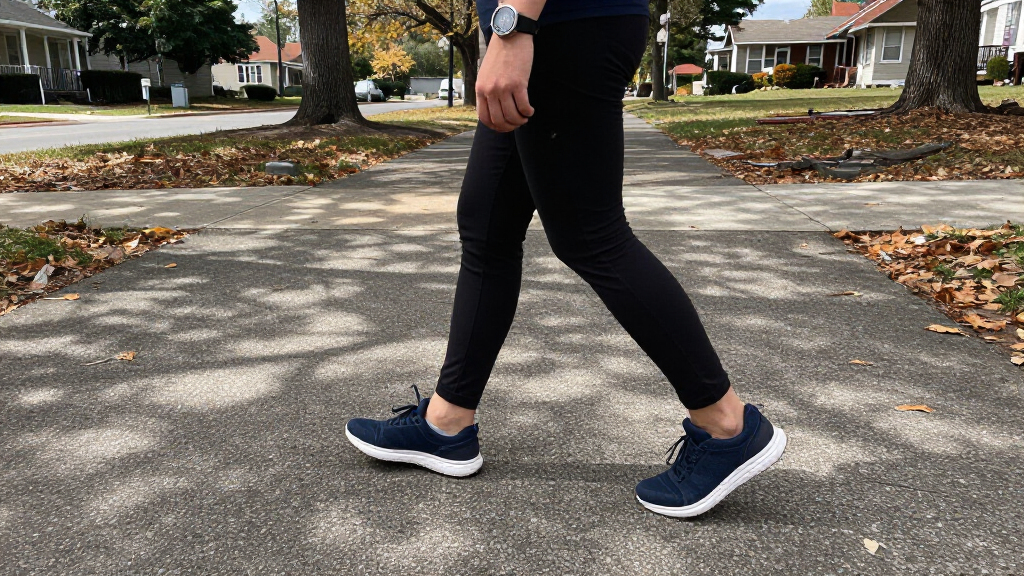
In the experiment, participants first rested while researchers recorded one minute of baseline bowel sounds with an electronic stethoscope and signal-processing software. They then walked on a treadmill for 20 minutes at a pace they chose as comfortable. Afterward, researchers recorded sounds while participants lay down during the next 15 minutes.
The team assessed bowel activity using three measures: the overall amplitude of sounds, the share of recording time in which sounds could be detected, and the number of sound events per minute. All three measures rose significantly in recordings taken one to two minutes after walking. The report says sound amplitude nearly doubled compared with resting levels.
The changes were brief: the increases began to diminish within two to three minutes, according to the study report. The researchers used bowel sounds as an indirect, non-invasive indicator of gut motility. They did not report that participants had constipation, measure bowel movement frequency, or assess whether symptoms improved.
What the Short-Term Gut Response Shows
The findings offer a possible explanation for why physical activity is often recommended as part of constipation management: movement may produce a rapid, measurable change in intestinal activity. They also suggest that bowel sounds could help researchers track short-term responses to everyday behaviors without relying on invasive testing.
But the result should not be read as evidence that a 20-minute walk will make someone with constipation have a bowel movement almost immediately. The study involved healthy young adults, not people seeking treatment for constipation, and the measured outcome was sound activity rather than symptom relief. It therefore points to a biological response, not a proven immediate remedy.
digestive health probiotic supplements
As an affiliate, we earn on qualifying purchases.
As an affiliate, we earn on qualifying purchases.
How Researchers Tracked Bowel Activity
Physical activity is commonly associated with healthier bowel function, while inactivity is often linked with slower digestion. The ScienceDaily report says much previous research has focused on exercise over longer periods; this study instead examined how quickly gut activity changed after movement.
Bowel sounds arise as gas and fluid move through the intestines. Because those movements relate to contractions that move digestive contents, researchers can use sound recordings as an indirect clue to gut motility. The study, published in Scientific Reports, used that approach to compare resting recordings with measurements collected after treadmill walking.
The authors proposed that changes in the autonomic nervous system or reflexes associated with the body’s motion might help explain the response. Those are possible mechanisms, not conclusions established by the reported measurements.
“Walking can serve as an effective, immediate tool for stimulating bowel function.”
— Professor Yohei Otaka, senior author of the study, as quoted in the ScienceDaily report
fiber supplements for constipation
As an affiliate, we earn on qualifying purchases.
As an affiliate, we earn on qualifying purchases.
Limits of the Constipation Evidence
The report does not establish whether the short-lived rise in bowel sounds leads to more effective intestinal transit, a bowel movement, or relief from constipation. It also does not provide evidence about how long any practical benefit might last or whether the response applies to older adults, people with chronic constipation, or other patient groups.
The study included just 21 healthy young adults. The supplied report does not give further details about the participants’ characteristics or a comparison group that did not walk. The proposed nervous-system and movement-reflex explanations are possibilities, not confirmed causes. Larger studies involving people with constipation would be needed to determine whether walking changes symptoms or bowel habits.
As an affiliate, we earn on qualifying purchases.
Testing Walking in Constipation Care
The next research step would be to test whether the observed sound changes also occur in people with constipation and whether they correspond to meaningful outcomes, such as symptom relief or changes in bowel movements. Researchers could also examine different walking durations and paces, and track how long any effects last. The ScienceDaily report does not describe a planned follow-up study or provide a timeline for further results.
For now, the study adds evidence of a brief gut response to walking, but it does not establish an immediate treatment for constipation. People with persistent or concerning symptoms should seek guidance from a qualified health professional rather than relying on this small study to make medical decisions.
As an affiliate, we earn on qualifying purchases.
Key Questions
Did the study show that a 20-minute walk relieves constipation immediately?
No. Researchers recorded bowel-sound measures in healthy young adults. They did not test constipation symptoms or establish that participants had a bowel movement after walking.
How soon did bowel-sound activity change?
All three measures rose significantly in recordings taken one to two minutes after the walk. The increases began to diminish within two to three minutes, according to the report.
Who took part in the experiment?
The study included 21 healthy young adults. The findings may not apply to people with chronic constipation or other groups that were not studied.
Why did the researchers record bowel sounds?
Bowel sounds are produced as gas and fluid move through the intestines. The researchers used them as a non-invasive, indirect measure of gut activity, not as a direct measure of constipation relief.
Source: rss
Halloween Picks
halloween
As an affiliate, we earn on qualifying purchases.