TL;DR

Turn your wind-down time into listening time
- Thousands of audiobooks, podcasts and originals
- Listen on your phone, tablet or Echo — also offline
- Cancel anytime
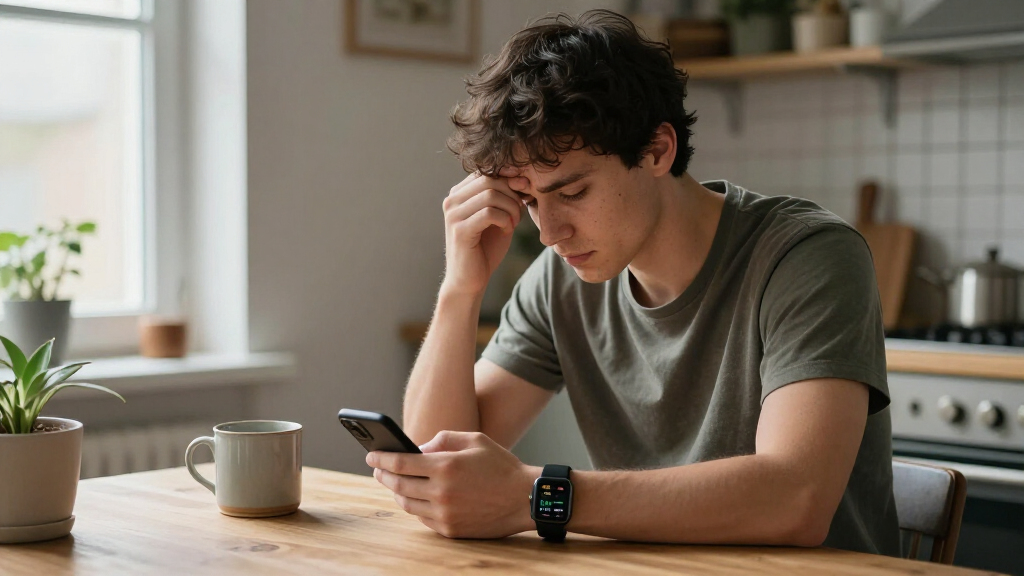
A headline about health tracking asks whether fitness trackers can increase stress and refers to six potential downsides. The article body was unavailable, so no specific downsides, research findings, expert comments or conclusions can be verified from the material provided.
A headline asks whether fitness trackers can increase stress and points to six possible downsides of health tracking, but the article body was not available. The supplied material does not identify those downsides or provide evidence, named experts or study findings, so the claim cannot be assessed in detail.
The available headline is framed as a question: “Can fitness trackers increase stress?” It presents health tracking as a topic to examine, rather than supplying a confirmed finding that trackers cause stress. No specific device, user group, study, survey or health authority is identified in the material provided.
The headline also refers to six downsides, but does not list them. It is not possible to establish whether the original article discusses anxiety about readings, pressure to meet targets, sleep disruption, privacy, inaccurate measurements or other concerns. Those examples should not be treated as claims made by the unavailable article.
No quotes or attributable statements were included. There is also no information about how any potential effects were measured, how common they may be, or whether the article distinguishes between individual experiences and findings supported by research. The confirmed development is limited to the headline’s subject and framing.
Why Tracker Stress Concerns Matter
People may use wearable devices and health apps to monitor activity, sleep, heart rate or other measures. A report asking whether tracking can add stress addresses a practical question for users deciding how much attention to give those readings. But the headline alone does not establish that tracking harms users or that any effect is widespread.
That distinction matters because health metrics can be interpreted differently depending on a person’s circumstances, expectations and reason for using a device. A number or alert may prompt some users to change a routine, while others may find frequent monitoring distracting or concerning. The supplied material contains no evidence to compare these experiences, so readers should not infer a general effect from the headline.
For now, the story is a prompt to examine potential trade-offs, not a basis for medical conclusions or a recommendation to stop tracking. Decisions about using a device for health-related purposes may depend on individual needs; people with concerns about readings or symptoms can discuss them with a qualified health professional.
As an affiliate, we earn on qualifying purchases.
What the Available Headline Says
The item was supplied as a headline-only extract, with the original article body unavailable. Its wording links fitness trackers, stress and possible disadvantages, but does not name a publication’s findings or describe how the six downsides were selected.
Without the article text, there is no verified timeline, prior development or accompanying research to add. In particular, the headline does not say whether it is based on published research, interviews, clinical guidance or general commentary. Keeping that limitation clear is necessary to avoid turning a question in a headline into a factual claim about health effects.
As an affiliate, we earn on qualifying purchases.
The central uncertainty is what the article actually says. The supplied extract does not identify the six downsides, provide supporting evidence, or explain whether the effects discussed are established, possible or anecdotal. It also gives no author, publication date, named source or direct quotation that could clarify the claims.
Accordingly, it remains unclear whether the article reports a new study or simply offers general advice, and whether any conclusions apply to particular trackers or users. The headline alone cannot confirm that fitness tracking increases stress, quantify any effect, or show that the concern applies broadly.
As an affiliate, we earn on qualifying purchases.
Full Article Needed for Assessment
A fuller assessment depends on access to the original article or its underlying evidence. That material would be needed to identify the six concerns, check any cited research and distinguish direct findings from interpretation. Until then, no specific conclusion about the relationship between health tracking and stress can be attributed to the item.
Readers considering a tracker can treat the headline as a question rather than a finding. If tracking feels distressing or if device readings raise health concerns, they can adjust how they use the device and seek advice from a qualified professional when making medical decisions. The available information does not establish what action, if any, the article recommends.
Source: RSS headline listing. The linked article body was not available in the supplied material, so its specific claims and supporting sources could not be independently identified.
As an affiliate, we earn on qualifying purchases.
Key Questions
Does the available material show that fitness trackers cause stress?
No. The headline asks whether trackers can increase stress, but the article body and supporting evidence were unavailable. It does not establish a causal effect.
What are the six downsides mentioned?
The headline refers to six downsides but does not name them. Specific examples cannot be verified from the material provided.
Is the report based on a study?
The supplied extract does not identify a study, survey, researcher or other evidence. Whether the article relies on research remains unknown.
Should people stop using health trackers?
The available headline does not make that recommendation. People with concerns about their health or device readings can consult a qualified health professional for advice relevant to their circumstances.
Source: rss
Fall Picks
fall essentials
As an affiliate, we earn on qualifying purchases.