You’ll notice texture is taking center stage because it creates richer, more engaging visual experiences than color alone. It adds depth, personality, and tactile qualities that make spaces and objects feel alive. Texture also evokes emotions and moods more effectively, turning simple designs into immersive environments. While color still plays a role, it’s often seen as a backdrop compared to the tactile impact textures bring. Keep exploring, and you’ll discover how this shift transforms modern aesthetics.

Turn your wind-down time into listening time
- Thousands of audiobooks, podcasts and originals
- Listen on your phone, tablet or Echo — also offline
- Cancel anytime
Key Takeaways
- Texture adds visual depth and tactile richness, creating more engaging and immersive environments than color alone.
- Material complexity enhances emotional resonance, allowing designs to tell stories beyond simple color schemes.
- Textured surfaces prevent flatness in minimalistic spaces, adding personality and intrigue effortlessly.
- Diverse textures evoke specific moods, making environments more dynamic and perceptually interesting.
- Texture’s multi-sensory appeal fosters interaction and curiosity, making it more impactful than color as a design element.
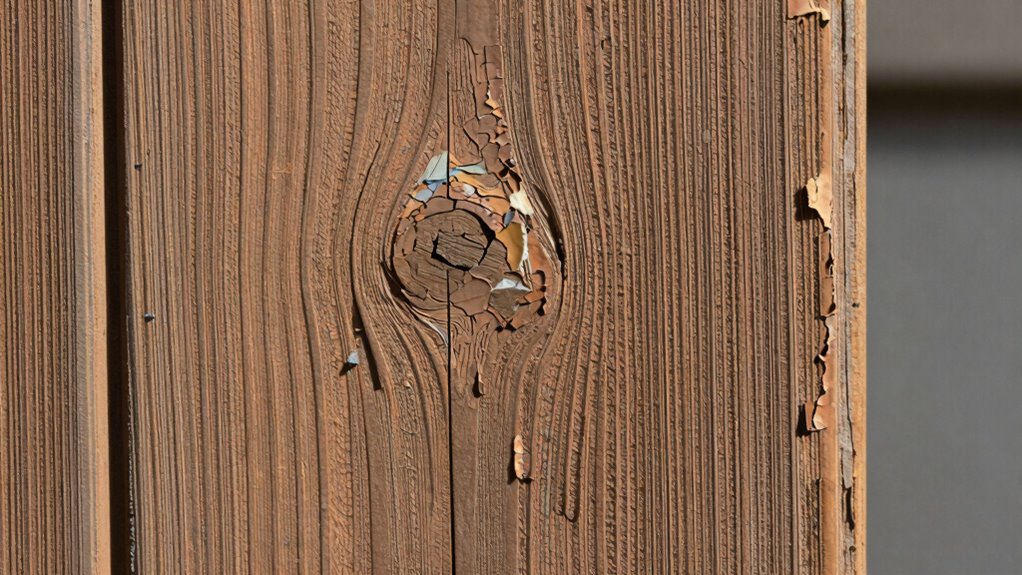
Have you ever wondered whether texture or color has a stronger impact on a design’s overall feel? Lately, texture has been stepping into the spotlight, doing more of the heavy lifting than color. This shift isn’t accidental; it’s driven by a desire for richer, more engaging visual experiences. When you focus on material complexity, you add layers of meaning and interest that color alone can’t achieve. Texture creates a tactile quality that makes a space or object feel alive, inviting you to explore it with your eyes—and sometimes even your hands. It’s about more than just appearance; it’s about creating a sense of depth that pulls you in.
Texture elevates design with tactile richness and depth, inviting exploration beyond visual appeal.
In today’s design landscape, visual depth is becoming a top priority, and texture plays a pivotal role in achieving it. Instead of relying solely on bold or vibrant colors, designers are leaning into the subtle variations that different materials bring. Think of a wall with a rough plaster finish versus a sleek, smooth paint job. Both might share the same color palette, but the textured wall offers a richer, more layered experience. It’s this material complexity that enhances visual depth, giving a flat surface a sense of dimension. When you incorporate different textures—think matte versus gloss, rough versus smooth—you’re adding a multi-sensory element that keeps the eye moving and engaged. Exploring different material combinations can also evoke specific moods or atmospheres, making the space more memorable. Incorporating material diversity allows designers to craft environments that are not only visually interesting but also emotionally resonant. Recognizing the importance of material interaction enables designers to create more dynamic and engaging environments.
Color, of course, remains essential, but it’s often used as a backdrop or accent rather than the main feature. Texture, on the other hand, commands attention by offering something tangible and real. It invites curiosity and encourages interaction. Modern designs are often minimalistic, but they compensate by using textured surfaces to add personality and intrigue. This way, a room doesn’t feel sterile or flat; instead, it feels layered and thoughtfully curated. You can achieve this by mixing materials—wood, metal, fabric, stone—to create a tapestry of visual depth that’s compelling without overwhelming.
Ultimately, texture’s ability to introduce material complexity makes it more versatile and powerful at delivering emotional impact. It transforms a simple color scheme into a dynamic, immersive experience. When you prioritize texture in your designs, you’re not just adding visual interest—you’re crafting a story, a tangible atmosphere that resonates on a deeper level. Texture and material complexity are key factors in creating engaging and multi-dimensional environments, highlighting how texture can do more work than color in shaping perception. That’s why, right now, texture is doing more work than color, shaping how we perceive and feel about the spaces and objects around us.
As an affiliate, we earn on qualifying purchases.
Frequently Asked Questions
How Does Texture Influence Emotional Responses in Design?
Texture influences your emotional responses by engaging tactile psychology, making designs feel more relatable and immersive. When you encounter rough, smooth, or layered textures, they evoke emotional resonance, fostering feelings of comfort, excitement, or even tension. You instinctively respond to these tactile cues, which shape your perceptions and mood. So, in design, texture’s ability to trigger emotional reactions makes it a powerful tool for creating memorable and impactful experiences.
Can Texture Be Used to Create Visual Illusions?
Texture acts like a magician’s cloak, transforming flat surfaces into illusions that challenge your visual perception. You can use it to craft optical illusions, making objects seem to ripple, bulge, or recede. By playing with rough or smooth textures, you trick the eye into perceiving depth and movement where there’s only surface. This technique allows you to manipulate how viewers interpret space, adding intrigue and dimension to your design.
What Materials Offer the Best Tactile Experience?
You’ll find that natural fibers like wool, linen, and cotton offer the best tactile experience, providing warmth, softness, and a pleasing texture. Tactile coatings, such as textured paints or embossed surfaces, enhance sensory engagement by adding depth and dimension. These materials invite touch and create a rich, inviting feel, making any space or product more dynamic and interactive. Your hands will appreciate the variety and authenticity they bring.
How Does Lighting Affect the Perception of Texture?
Lighting impacts texture like a spotlight highlighting a sculpture; it emphasizes surface contrast and can make textures appear more pronounced or subtle. When light diffuses softly, textures seem smoother and less detailed, while harsh, direct light creates stark shadows that enhance perceived depth. You notice this effect on surfaces, as well as in photography and design, where thoughtful lighting showcases or minimizes texture, shaping overall perception and mood.
Is Texture More Sustainable Than Color in Eco-Friendly Design?
Texture is more sustainable than color in eco-friendly design because it often relies on eco-conscious materials that require fewer dyes and chemicals. You can achieve rich, tactile experiences using natural fibers or reclaimed materials, reducing environmental impact. By emphasizing texture, you support sustainable design principles, minimizing waste and chemical use, making it a smarter choice for eco-conscious projects. Texture’s tactile appeal enhances aesthetics while aligning with eco-friendly values.
As an affiliate, we earn on qualifying purchases.
Conclusion
So, when you’re designing, remember that texture is your secret weapon—it’s the engine that drives visual interest and depth, much like the engine under a car’s hood. While color may grab attention swiftly, texture keeps your audience engaged, inviting them to explore further. Think of texture as the rhythm in a song—subtle yet powerful—making your design not just seen, but felt. Embrace it, and let your work truly stand out.
As an affiliate, we earn on qualifying purchases.
As an affiliate, we earn on qualifying purchases.
Fall Picks
fall essentials
As an affiliate, we earn on qualifying purchases.