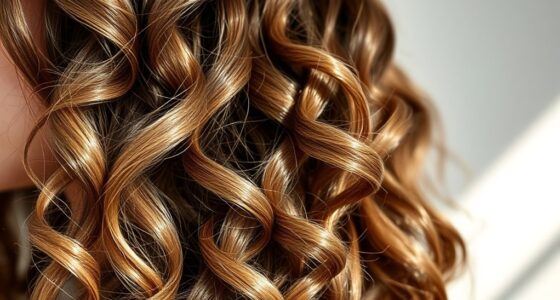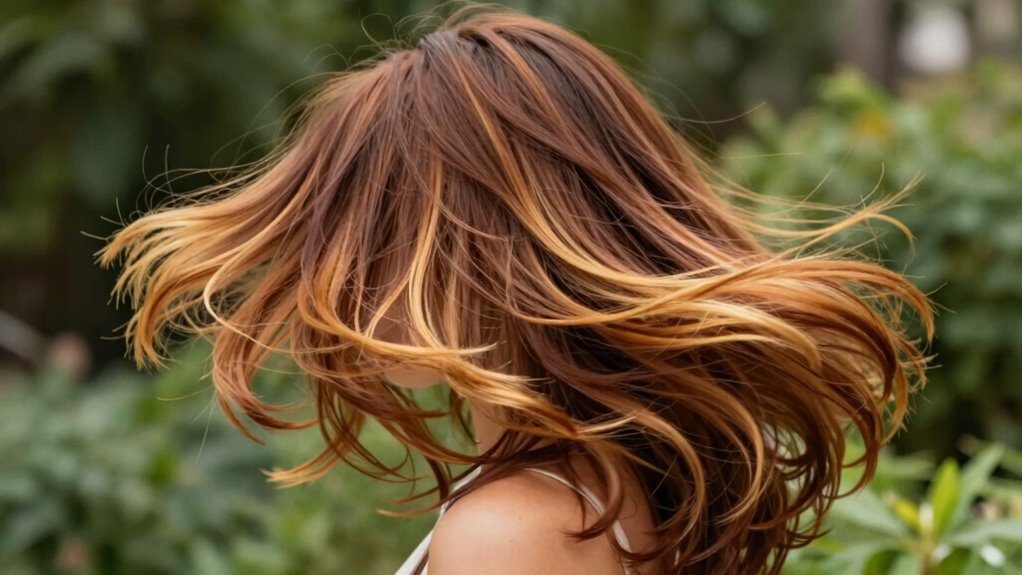

The New Hair Goal is all about embracing hair that moves naturally and feels full of life. Instead of stiff styles, focus on enhancing your hair’s natural texture and energy. Use lightweight products, avoid heavy products and over-styling, and opt for air-drying or gentle styling techniques. Celebrate your hair’s unique rhythm and flow, allowing it to breathe and stay flexible. Keep exploring ways to reveal effortless, lively hair that truly reflects your natural beauty.

Turn your wind-down time into listening time
- Thousands of audiobooks, podcasts and originals
- Listen on your phone, tablet or Echo — also offline
- Cancel anytime
Key Takeaways
- Prioritize lightweight, moisture-enhancing products that promote natural texture and flexibility.
- Minimize heat styling and harsh treatments to preserve hair’s vitality and movement.
- Use gentle styling techniques like scrunching and loose braids to encourage flow.
- Regular trims and minimal manipulation maintain healthy, lively hair with natural bounce.
- Embrace and celebrate your hair’s unique texture and natural rhythm for effortless beauty.
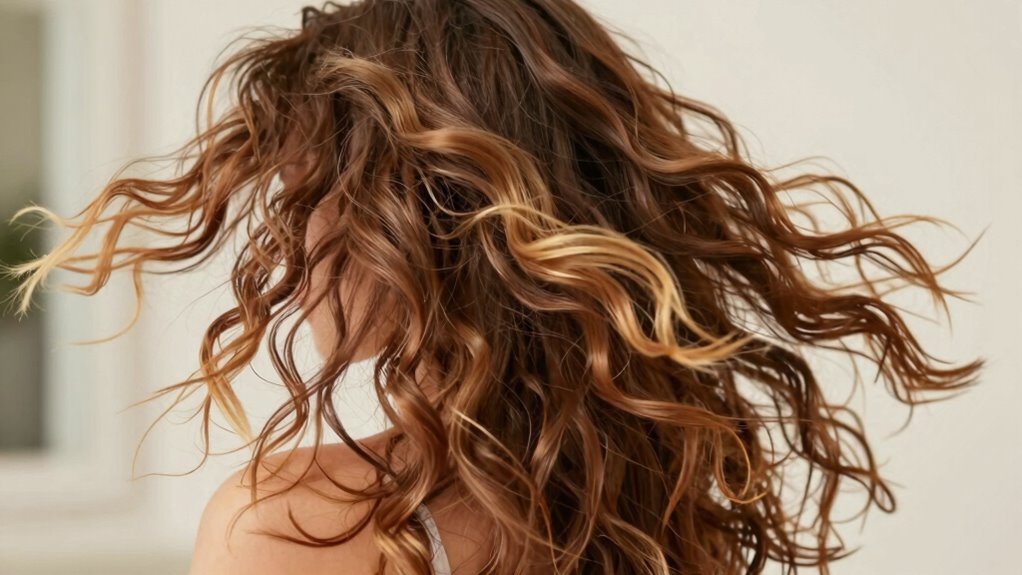
Have you ever wondered what your ideal hair goal should be? These days, it’s not about perfectly stiff, unmovable strands but about embracing movement and flexibility. The concept of “The New Hair Goal” centers on hair that feels alive, dynamic, and full of natural bounce. Instead of obsessing over flawless, rigid styles, you’re encouraged to prioritize hair that moves effortlessly with you. Achieving this requires a shift in your hair care routines and styling techniques. You want your hair to look healthy, vibrant, and free-flowing, which means ditching heavy products that weigh hair down and opting for lighter, nourishing formulas that promote natural movement.
Embrace movement and flexibility for lively, natural-looking hair that flows effortlessly with you.
Your hair care routines play an essential role in this new goal. Start by choosing shampoos and conditioners that enhance your hair’s natural texture and add moisture without buildup. Incorporate lightweight leave-in conditioners or serums that improve flexibility and reduce stiffness. Avoid excessive heat styling and harsh chemical treatments that can damage your hair’s structure, making it stiff and brittle. Instead, let your hair air dry whenever possible, and when you do use styling tools, keep the temperature moderate. Regular trims also help maintain healthy ends, preventing breakage that hampers movement and bounce. Additionally, understanding your hair’s natural texture can help you tailor your routine for optimal movement and flexibility. Incorporating techniques that respect your hair’s natural pattern can further enhance this goal.
When it comes to styling techniques, the focus shifts from creating stiff, structured looks to embracing effortless, free-flowing styles. Use minimal product and focus on techniques that enhance your hair’s natural texture. For example, scrunching damp hair with a light mousse or curl-enhancing cream can boost natural waves without weighing them down. When you style, consider loose braids or tousled waves that emphasize movement. Avoid over-brushing or pulling your hair tight into stiff ponytails or buns, which can restrict natural flow and cause damage over time. Instead, opt for loose, relaxed styles that let your hair breathe and move freely.
This new approach to hair is about feeling confident in your natural beauty and accepting your hair’s unique texture and movement. It’s a mindset shift that encourages you to focus on health and vitality rather than perfection in stiffness. By refining your hair care routines and adopting styling techniques that promote flexibility, you’ll find your hair becomes more lively, resilient, and full of effortless elegance. Remember, the goal isn’t to control your hair rigidly but to celebrate its natural rhythm and flow—because that’s what truly makes hair beautiful.
lightweight leave-in conditioner for natural hair
As an affiliate, we earn on qualifying purchases.
As an affiliate, we earn on qualifying purchases.
Frequently Asked Questions
How Do I Measure Hair Movement Versus Stiffness?
To measure hair movement versus stiffness, observe how your hair reacts to styling techniques. Gently shake or run your fingers through your hair—if it moves freely and bounces, you have a more natural, flowing hair texture. If it feels rigid or resists movement, it’s stiffer. Experiment with different styling techniques like diffusing or using lightweight products to enhance movement, making your hair look more lively and less stiff.
Which Hair Types Benefit Most From Movement-Focused Styling?
You’ll find that wavy and curly hair textures benefit most from movement-focused styling because their natural patterns enhance fluidity. To achieve this, use lightweight styling techniques like diffusing or scrunching, avoiding heavy products that add stiffness. For straight hair, gentle waves can be created with curling tools. Emphasizing movement over stiffness helps your hair look lively, healthy, and full of natural bounce.
Are There Specific Products That Promote Hair Flexibility?
Yes, certain products with ingredients like aloe vera, glycerin, and lightweight oils promote hair flexibility. Look for styling creams, leave-in conditioners, and mousses that emphasize moisture and smoothness. Use styling techniques such as finger-combing or scrunching to enhance movement. Avoid heavy products that weigh hair down. By choosing the right ingredients and techniques, you’ll achieve more natural, fluid hair movement without stiffness.
Can Movement Training Damage Hair if Overdone?
Yes, overdoing movement training can damage your hair if you’re not careful. Excessive stretching or manipulation weakens hair elasticity and can lead to breakage. To protect your scalp health and maintain healthy movement, balance your routine with proper conditioning and avoid harsh treatments. Listen to your hair’s signals, and give it time to recover. Moderation guarantees you improve flexibility without risking damage.
How Often Should I Adjust My Hair Routine for Movement?
You should adjust your hair routine as often as your hair’s texture and styling needs change. Typically, updating weekly or bi-weekly keeps movement manageable and maximizes styling versatility. Pay attention to how your hair responds—if it feels stiff or weighed down, tweak your products or techniques. Consistent care, coupled with careful adjustments, keeps your hair lively, allowing you to enjoy natural movement without risking damage.
moisturizing curl-enhancing cream
As an affiliate, we earn on qualifying purchases.
As an affiliate, we earn on qualifying purchases.
Conclusion
Remember, your hair’s movement should reflect liveliness, not stiffness. Embrace products and routines that promote flexibility and natural flow. Did you know that over 60% of people report healthier, more dynamic hair after switching to movement-focused hair care? It’s time to ditch the stiff, weighed-down strands and celebrate your hair’s true spirit. With the right approach, you’ll achieve that effortless, lively look you’re aiming for—so go ahead and let your hair move freely!
air dry styling products for natural movement
As an affiliate, we earn on qualifying purchases.
As an affiliate, we earn on qualifying purchases.
As an affiliate, we earn on qualifying purchases.
Fall Picks
fall essentials
As an affiliate, we earn on qualifying purchases.