
TL;DR

Turn your wind-down time into listening time
- Thousands of audiobooks, podcasts and originals
- Listen on your phone, tablet or Echo — also offline
- Cancel anytime
In a Nov. 2, 2026, advice column, R. Eric Thomas answered a reader who said unwanted photos at social events have made them avoid gatherings they otherwise enjoy. Thomas suggested ways to limit tagging and photo sharing while recognizing that a person can refuse to pose; the column does not establish how often others knowingly ignore such requests.
Advice columnist R. Eric Thomas responded Nov. 2 to a reader who said unwanted photographs at parties and other gatherings had led them to avoid social events. Thomas recommended asking people not to share photos featuring the reader and adjusting tagging settings, while stressing that the reader does not have to pose; the exchange highlights the tension between personal boundaries and casual group photography.
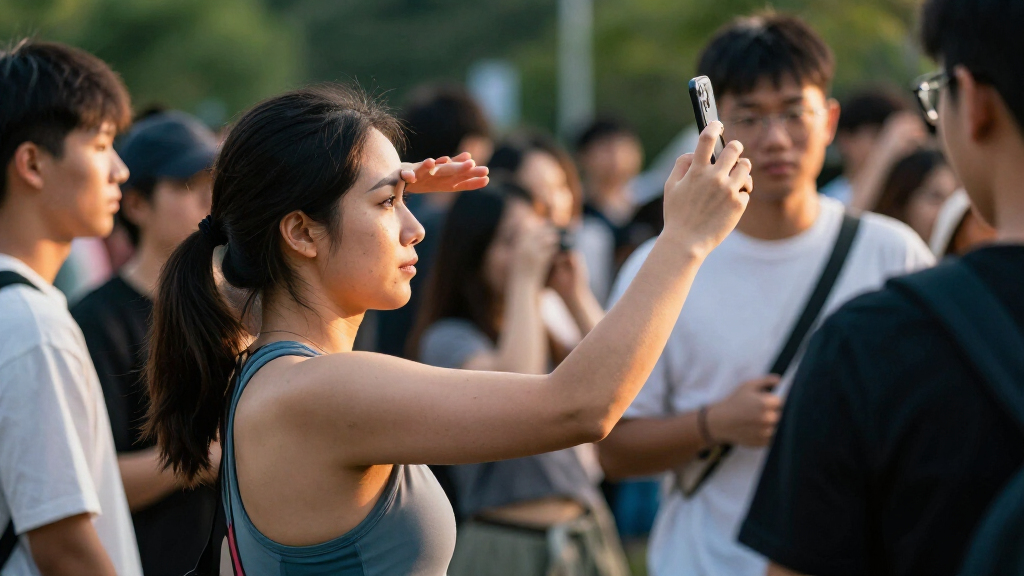
The reader, who signed the letter “Camera-Unfriendly Reader,” said posed pictures and candid shots both cause distress, and that smartphone cameras make it difficult to avoid being included. They described raising a hand to block a camera or walking away, and said the issue had shifted from dread to avoiding gatherings they would otherwise enjoy. The letter framed the problem as a question of privacy and respect for a stated boundary.
Thomas asked whether people were disregarding the request intentionally or simply taking group photographs as part of familiar social customs. He noted that people may appear in the background of pictures even when they are not posing, and suggested that the reader consider whether photos were being tagged or shared online. The columnist proposed changing social media settings to prevent others from tagging the reader and asking friends not to share pictures that include them.
Thomas also offered an emotional perspective, suggesting that the reader’s view of their appearance may differ from how friends and relatives see them. He wrote that loved ones may take pictures because they value the reader’s presence and want to remember them. That perspective was presented as reassurance, not as a reason the reader must consent to photographs. Thomas’s response maintained that the reader can decline to be photographed.
The exchange addresses a common social friction: photography is easy and routine, while consent to be photographed may be personal and explicit. A person who dislikes their image being taken can find that a request is difficult to enforce when phones are out at weddings, birthdays or neighborhood events. For the reader, the reported consequence was not limited to discomfort with an image; it had begun to affect attendance at valued social occasions.
Thomas’s suggestions separate different parts of the problem. A person may not be able to prevent every candid or background appearance, but may be able to reduce online tagging and circulation through settings and direct requests. The column does not resolve what friends should do in every situation, but it offers practical steps without treating the reader’s discomfort as a reason to withdraw from social life.
Products Worth Considering

Hyperice Hypervolt Go 3 Portable Percussion Massage Gun with Carry Case

Garmin Venu® 3 Premium Fitness Smartwatch 45mm Black

Garmin Forerunner 55 GPS Running Smartwatch, Black
As an affiliate, we earn on qualifying purchases.
A Reader’s Question on Cameras
The item appeared in Seniors Guide’s “Asking Eric” advice coverage and was written by R. Eric Thomas. The letter describes a setting in which smartphones make photography commonplace at social gatherings, including when some attendees would rather not appear in pictures. The reader said they had already asked not to be photographed but were still sometimes included in group shots.
Thomas’s answer combined practical suggestions with a question about intent: whether the reader’s wishes were being ignored deliberately or overlooked amid ordinary group-photo customs. His response did not offer a legal assessment of photography rights. It focused on what the reader might communicate to friends and how they might manage tags and shared images.
“This is a boundary issue for me.”
— The reader, writing as “Camera-Unfriendly Reader”
Intent and Photo Sharing Remain Unclear
The column does not establish how often the reader’s requests are knowingly ignored, whether particular friends shared photos without permission, or whether the reader is mainly distressed by being photographed, seeing the images later, or both. Thomas raised those distinctions but the published exchange contains no follow-up from the reader.
It also gives no information about the reader’s social media platforms, privacy settings or the responses of friends and relatives to requests not to tag or share images. The advice is personal guidance, not a finding about legal rights or a broader survey of how people handle photography at gatherings.
Practical Steps for Future Gatherings
The column points to direct communication and platform controls as the next steps available to the reader: ask friends not to share photos that include them, review tagging settings, and state clearly when they do not want to pose. The reader may also choose how to respond when a camera appears, though the published advice does not prescribe a single approach for every gathering.
No further response or outcome from the reader was included. It is therefore unknown whether the suggestions changed their experience or helped them return to events they had been avoiding. The advice column invites readers to submit questions to Thomas through its listed email or mailing address.
Key Questions
What did R. Eric Thomas advise the reader to do?
Thomas suggested changing social media settings to prevent tags and asking people not to share photos that include the reader. He also said the reader does not have to pose for photographs.
Why had the reader started avoiding social events?
The reader said unwanted candid and group photographs caused distress, and that repeated experiences had led them to avoid gatherings they would otherwise enjoy.
Did the column confirm that friends were deliberately ignoring the reader’s request?
No. Thomas asked whether the requests were being ignored intentionally or unintentionally. The column does not provide an answer.
Did Thomas say the reader should accept being photographed?
No. He offered the possibility that loved ones see the reader differently than the reader sees themselves, but also said they do not have to submit to photos.
Source: seniorsguide.com