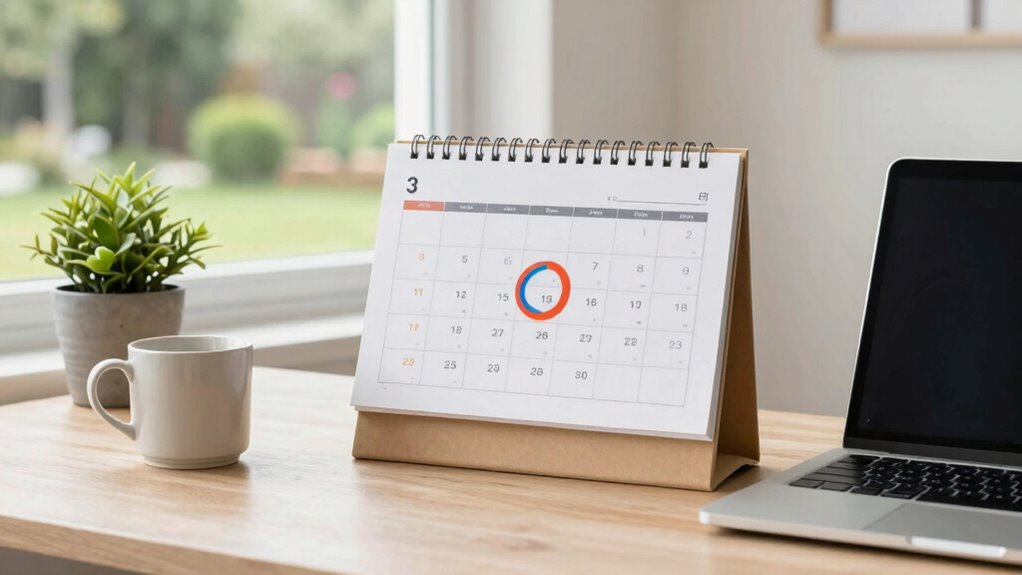

To make recovery more visible in your schedule, start by planning regular mindful pauses and scheduled breaks, treating them as important appointments. Use alarms or sticky notes as visual cues to remind yourself to pause and breathe. Track your recovery efforts daily in a journal or app to see patterns and progress. By actively incorporating these practices, recovery becomes a natural part of your routine. Keep exploring, and you’ll discover even more ways to prioritize your well-being.

Turn your wind-down time into listening time
- Thousands of audiobooks, podcasts and originals
- Listen on your phone, tablet or Echo — also offline
- Cancel anytime
Key Takeaways
- Schedule regular mindful pauses and breaks to explicitly allocate time for recovery.
- Use visual cues like alarms, sticky notes, or reminders to prompt recovery moments throughout the day.
- Track recovery activities in journals or apps to monitor consistency and recognize patterns.
- Treat recovery as an essential appointment, integrating it into your daily calendar like other commitments.
- Reflect on post-break feelings to reinforce the importance of recovery and adjust routines accordingly.

Recovering from burnout, illness, or stress often falls by the wayside when your schedule is packed, but making recovery visible is vital for maintaining your well-being. When your days are filled with deadlines and commitments, it’s easy to overlook the importance of pause moments that support your mental and physical health. Incorporating mindful pauses into your routine allows you to check in with yourself, breathe deeply, and reset your focus. These pauses aren’t just breaks; they’re intentional moments to slow down and reconnect with your body and mind, making recovery more tangible.
Making recovery visible through mindful pauses and scheduled breaks supports your well-being amid busy days.
Scheduled breaks are another essential tool. Instead of waiting until exhaustion hits, plan these breaks into your calendar just as you would meetings or work tasks. Setting specific times for rest signals to your brain that recovery isn’t optional but an integral part of your day. These breaks should be meaningful—step away from screens, stretch, get some fresh air, or simply sit quietly without distraction. By consistently scheduling these moments, you make recovery visible and concrete, reducing the risk of burnout creeping in unnoticed. Recognizing the importance of intentional planning can significantly enhance your ability to maintain a balanced and healthy schedule.
To keep recovery front and center, you can also create visual cues. Use alarms or reminders to prompt you to take a mindful pause or a scheduled break. Placing sticky notes on your workspace that say, “Breathe,” or “Take a Break,” reinforces the importance of these moments. Over time, these cues help you develop habits that prioritize your well-being, making recovery a natural, visible part of your daily routine rather than an afterthought. Incorporating mindfulness into your daily activities can further deepen your awareness and commitment to self-care, making recovery more ingrained in your lifestyle.
Tracking your recovery efforts can further reinforce their importance. Use a journal or an app to log your mindful pauses and breaks. Note how you feel afterward—more focused, relaxed, or energized. Seeing your progress on paper or screen makes these efforts tangible and encourages you to stick with them. It also helps you notice patterns, like times of day when you’re most in need of a break, so you can adjust accordingly.
Ultimately, making recovery visible involves intentional planning and mindfulness. When you actively allocate time for pauses and breaks, you validate their importance. This not only supports your recovery process but also cultivates a sustainable routine that guards against future stress and burnout. By integrating these simple yet powerful practices into your schedule, you guarantee that recovery isn’t just a vague goal but a consistent, visible part of your everyday life.
As an affiliate, we earn on qualifying purchases.
Frequently Asked Questions
How Can I Prioritize Recovery Without Neglecting Other Responsibilities?
You can prioritize recovery by balancing responsibilities and managing stress effectively. Schedule specific time slots for rest and recovery just like you do for work or chores. Recognize that taking breaks boosts your productivity and well-being. Communicate your needs, set boundaries, and avoid overcommitting. By consciously making recovery visible and integral to your routine, you guarantee it doesn’t get neglected while maintaining a healthy balance with other responsibilities.
What Tools Best Help Track Recovery Activities?
Think of your recovery as a garden that needs tending. Tracking apps, like MyFitnessPal or Strava, act as your digital watering cans, helping you monitor progress. Journaling methods serve as your compass, guiding reflection and awareness. Together, these tools make recovery activities visible, ensuring you stay connected to your well-being. Use them daily to nurture your growth and keep your recovery journey thriving amidst life’s demands.
How Often Should Recovery Periods Be Scheduled?
You should schedule recovery periods, like rest days and mental breaks, at least once a week or after particularly intense activities. Listening to your body helps determine the right frequency; if you’re feeling fatigued or stressed, add more rest. Incorporate these recovery periods regularly to prevent burnout and enhance overall performance. Consistency in scheduling rest and mental breaks guarantees your body and mind get the downtime they need.
How Can I Communicate My Recovery Needs to Others?
You can communicate your recovery needs by openly sharing your mental health journey, setting clear boundaries, and asking for social support. Be honest about what helps you recharge and what drains you, painting a vivid picture of your needs. Use active language to express your boundaries, invite understanding, and foster empathy. When you voice your needs confidently, you create a supportive environment that nurtures your well-being and encourages others to respect your recovery process.
What Signs Indicate My Recovery Schedule Needs Adjustment?
You notice your mental health feels overwhelmed or your physical rest isn’t enough, signaling your recovery schedule needs adjustment. If you’re feeling consistently fatigued, anxious, or irritable, it’s a sign you should slow down and prioritize self-care. Pay attention to how your body and mind respond; if they’re showing signs of strain, it’s time to re-evaluate your schedule to better support your recovery.
As an affiliate, we earn on qualifying purchases.
Conclusion
By making recovery a visible part of your schedule, you’re like a gardener tending to delicate plants—you nurture them regularly, and they flourish. Prioritize rest just as you would any important task, and don’t shy away from marking it clearly. When recovery becomes a regular, visible habit, it’s easier to stay balanced and energized. Remember, taking care of yourself isn’t a luxury; it’s the foundation for sustained success and well-being.
As an affiliate, we earn on qualifying purchases.
As an affiliate, we earn on qualifying purchases.
Fall Picks
fall essentials
As an affiliate, we earn on qualifying purchases.