
TL;DR

Turn your wind-down time into listening time
- Thousands of audiobooks, podcasts and originals
- Listen on your phone, tablet or Echo — also offline
- Cancel anytime
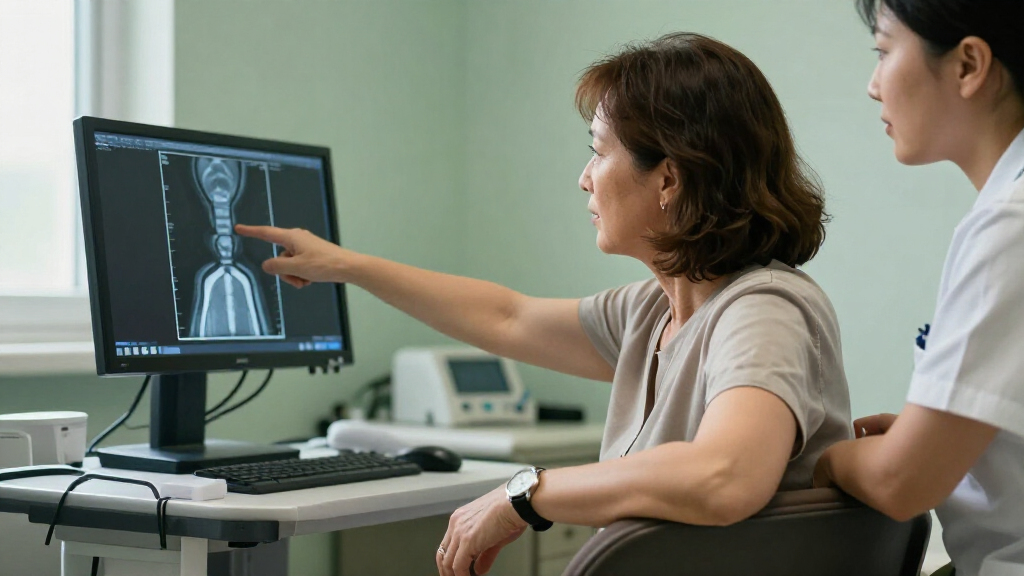
A Fit&Well report describes how the Royal Osteoporosis Society’s free online bone-health assessment identified risk factors the writer had not considered, including a previous fracture after a minor collision. The quiz can suggest whether someone may benefit from discussing bone health with a medical professional; it does not diagnose osteoporosis.
A free online bone-health assessment from the Royal Osteoporosis Society (ROS) flagged risk factors for a Fit&Well writer who had assumed her risk of osteoporosis was low, including a past fracture after a minor collision. The tool is intended to help people consider whether they may benefit from advice from a medical professional; it is not presented as a diagnosis.
The writer, who said she was 39 and regularly exercised, reported that the assessment prompted her to reconsider her risk after she entered details about her health and history. One factor was a hand fracture sustained about five years earlier after a collision with a fence during a five-a-side soccer game. The report says the injury was a spiral fracture of the fifth metacarpal.
The ROS checker identifies a range of factors that can be associated with osteoporosis risk. These include age, menopause, low body mass index, ethnicity, smoking and higher alcohol consumption, as well as a parent having broken a hip. The tool also asks about certain medical conditions, including an overactive thyroid and coeliac disease, which the report says can affect how the body absorbs food.
The assessment’s result is a prompt for consideration, not a finding that a person has osteoporosis. ROS representative Julia Thomson said a broken bone does not automatically indicate a bone-health problem. The tool may instead help someone decide whether to discuss the circumstances of a fracture with a doctor or seek a fuller fracture-risk assessment.
A Past Fracture Can Prompt Review
Osteoporosis can progress without obvious symptoms, so people may not know their bone strength has declined until a fracture occurs. The ROS checker offers a way to review several possible risk factors and decide whether to ask for professional advice. That may be relevant to people who, like the writer, associate bone-health concerns mainly with older age and do not recognize a previous injury as something worth mentioning.
The report cites the International Osteoporosis Foundation’s estimate that one in three women and one in five men over 50 will experience a fracture due to osteoporosis worldwide. That statistic concerns people over 50 and should not be read as an estimate of an individual’s personal risk. A quiz cannot establish a diagnosis or replace clinical assessment, but it may help bring relevant history into a conversation with a health professional.
calcium and vitamin D supplement for bone health
As an affiliate, we earn on qualifying purchases.
As an affiliate, we earn on qualifying purchases.
How the Bone Checker Works
The ROS launched the online assessment to address what the report describes as a gap in public awareness about osteoporosis risk. It asks users about factors that can affect bone health or the likelihood of fracture, then indicates whether further advice may be worth considering. The article does not provide a clinical validation study or describe the tool as a diagnostic test.
Among the factors outlined in the report are the loss of bone strength with age and changes in estrogen around menopause. It also notes that a body mass index below 18.5, a parental history of hip fracture, smoking, and drinking more than 14 units of alcohol per week can be relevant. The ROS’s guidance, as reported by Fit&Well, also discusses vitamin D and dietary calcium. These points are general information from the source, not individualized instructions for treatment or supplement use.
“Not all broken bones immediately indicate you may have a problem with your bone health.”
— Julia Thomson of the Royal Osteoporosis Society, as quoted by Fit&Well
As an affiliate, we earn on qualifying purchases.
What the Quiz Cannot Establish
The report does not state when the ROS assessment launched, how its risk categories are calculated, or whether the tool has been independently evaluated. It also does not give the writer’s complete result or describe any subsequent clinical examination. The account is one person’s experience, not evidence that the quiz will identify risk accurately for every user.
A flagged factor does not mean someone has osteoporosis, and an unflagged result should not be treated as a medical clearance. The source does not specify what assessment or testing a doctor might recommend in a particular case. Decisions about symptoms, past fractures, supplements or other health concerns should be discussed with a qualified professional.
As an affiliate, we earn on qualifying purchases.
Taking a Result to a Clinician
The next step suggested by the report is to use the checker’s guidance to decide whether to speak with a medical professional. Anyone concerned about a previous fracture or other listed risk factors can share the relevant history and ask whether further assessment is appropriate. The ROS representative says the discussion can help distinguish a fracture linked to bone health from an injury caused by other circumstances.
The source does not announce a further update to the tool or a formal evaluation schedule. For now, the reported development is the availability of the free online assessment and its role as an initial prompt—not a replacement for professional advice.
As an affiliate, we earn on qualifying purchases.
Key Questions
Does the ROS bone checker diagnose osteoporosis?
No. The report describes it as a risk assessment that can suggest whether someone may benefit from professional advice. It does not diagnose the condition.
Does a previous broken bone mean I have osteoporosis?
No. ROS representative Julia Thomson said that not every broken bone indicates a bone-health problem. The circumstances of the injury may be worth discussing with a doctor, particularly if the assessment suggests follow-up.
What risk factors does the assessment ask about?
The report lists factors including age, menopause, low BMI, parental hip fracture, smoking, alcohol intake and certain medical conditions. It also discusses fracture history and bone-health considerations such as calcium and vitamin D.
What should I do if the result suggests further advice?
Consider discussing the result and relevant health history with a qualified medical professional. The checker can prompt a conversation, but the report does not specify what assessment would be appropriate for an individual.
Source: rss
Fall Picks
fall essentials
As an affiliate, we earn on qualifying purchases.