TL;DR

Turn your wind-down time into listening time
- Thousands of audiobooks, podcasts and originals
- Listen on your phone, tablet or Echo — also offline
- Cancel anytime
The International Hearing Society is using October’s National Protect Your Hearing Month to encourage people to protect their hearing and get annual evaluations. The group cites World Health Organization projections that nearly 2.5 billion people will have some degree of hearing loss by 2050.
The International Hearing Society (IHS) is using October’s National Protect Your Hearing Month to urge people to protect their hearing and seek annual hearing evaluations, citing the scale of current and projected hearing loss worldwide. The organization’s campaign focuses in particular on noise-induced hearing loss, which it describes as largely preventable.
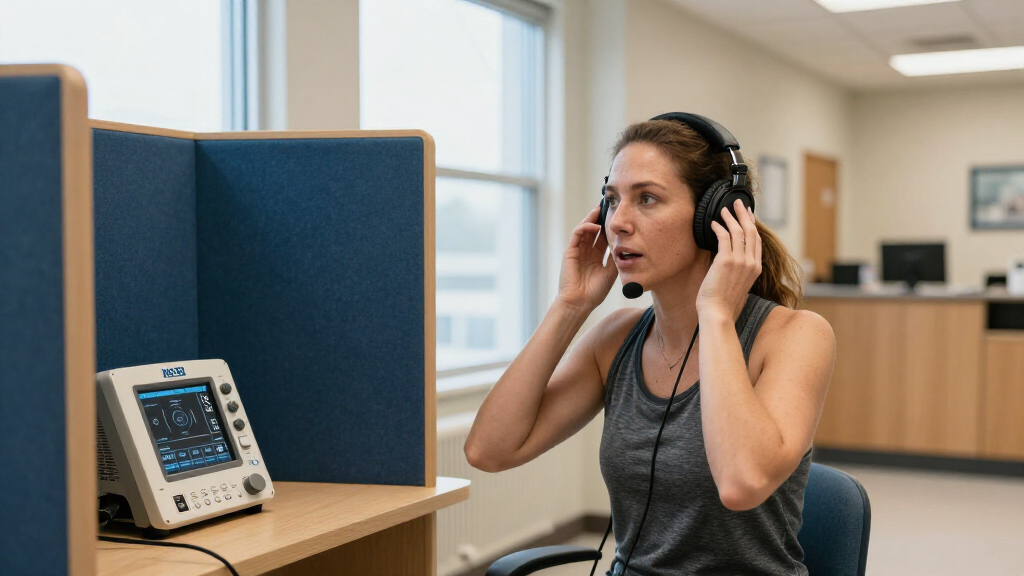
IHS is encouraging consumers to establish a hearing baseline with a qualified hearing healthcare provider. A baseline can give a clinician a point of comparison for later evaluations and help identify changes in hearing, the organization says. IHS also directs people to its provider locator at ihsinfo.org to find hearing aid specialists and other hearing healthcare professionals.
IHS president Michael Andreozzi, a board-certified hearing instrument specialist, said people should give hearing health the kind of attention they give vision. In a statement shared in a release, he recommended that people have their hearing evaluated once a year. That recommendation is IHS’s public guidance; the source report does not cite a clinical guideline or specify whether annual evaluations are appropriate for every person.
The campaign’s rationale includes figures from the World Health Organization: an estimated 1.5 billion people currently live with some degree of hearing loss, and WHO projects that nearly 2.5 billion will do so by 2050. More than 700 million people are projected to need rehabilitation by then. These are global estimates and projections, not counts of people who have received a diagnosis or completed a hearing evaluation.
Why Routine Hearing Checks Matter
The campaign connects an individual health step—checking hearing over time—with a large and growing global health burden. A baseline evaluation may help a provider compare results over time and identify changes, while attention to noise exposure may help people reduce a preventable source of hearing damage. IHS is asking readers to treat hearing care as routine rather than waiting until a change becomes noticeable.
The figures also signal potential demand for hearing rehabilitation and care. WHO projects that more than 700 million people will need rehabilitation by 2050, underscoring the importance of access to assessment and services. The source report does not quantify how many cases could be prevented through the campaign’s recommended actions, so the projections should not be read as evidence that annual evaluations alone will reduce the global burden.
As an affiliate, we earn on qualifying purchases.
The October Hearing Campaign
National Protect Your Hearing Month provides IHS with an annual opportunity to share information about hearing protection and noise-induced hearing loss. In its October effort, the organization is directing both consumers and hearing healthcare professionals toward prevention and early monitoring. It says professionals can use the month to discuss protection and establish baseline evaluations with patients.
IHS says it works alongside WHO in raising awareness of noise-induced hearing loss and hearing protection strategies. Founded in 1951, the membership association represents hearing healthcare professionals worldwide, including hearing aid specialists. Its members may perform hearing assessments, select and fit hearing instruments, counsel patients and provide follow-up care, according to the source report.
“Hearing is one of those senses that everybody needs to pay close attention to — no different than your eyes and vision. We suggest that people have their hearing evaluated once a year.”
— Michael Andreozzi, IHS president
As an affiliate, we earn on qualifying purchases.
Limits of the Annual Check Recommendation
The source report does not provide details about how the annual evaluation recommendation was developed, identify groups for whom it is intended, or compare it with guidance from public health authorities or clinical bodies. It also does not describe a specific screening method, cost, or coverage arrangements. Readers should not interpret the campaign statement as a personalized medical recommendation.
The WHO numbers are global estimates and future projections; they do not specify how much of the projected hearing loss is noise-related or how many cases routine evaluations could prevent. The source material also does not report participation figures, campaign targets, or whether IHS will publish results from its October outreach.
noise-canceling hearing protection
As an affiliate, we earn on qualifying purchases.
As an affiliate, we earn on qualifying purchases.
Where Consumers Can Find Providers
During October, IHS is encouraging people to learn about hearing protection and arrange an evaluation with a qualified hearing healthcare provider. Its provider locator at ihsinfo.org is the resource identified in the campaign. The source report gives no date for a later announcement or a measure of the campaign’s reach, so further outcomes have not been specified.
People who have questions about their hearing or whether an evaluation is appropriate can discuss them with a qualified healthcare professional. IHS’s annual-check message is general campaign guidance; individual needs may differ.
As an affiliate, we earn on qualifying purchases.
Key Questions
What is IHS announcing?
IHS is using National Protect Your Hearing Month in October to promote hearing protection, noise-induced hearing loss awareness and routine hearing evaluations.
Does IHS recommend annual hearing evaluations?
Yes. IHS president Michael Andreozzi said the organization suggests people have their hearing evaluated once a year. The source does not specify whether that schedule applies to everyone or cite a formal clinical guideline.
What is a hearing baseline?
A baseline is an initial assessment that can give a hearing healthcare provider a point of comparison for future evaluations. IHS recommends establishing one with a qualified provider.
How can someone find a hearing healthcare provider?
IHS directs consumers to its provider locator at ihsinfo.org to find hearing aid specialists and other hearing healthcare professionals.
What does WHO project about hearing loss?
WHO projects that nearly 2.5 billion people will have some degree of hearing loss by 2050, and that more than 700 million will need rehabilitation. These are global projections, not confirmed counts of future diagnoses.
Source: rss
Fall Picks
fall essentials
As an affiliate, we earn on qualifying purchases.