A study of 316,542 South Korean adults found dementia-risk associations at both low and high hemoglobin levels, but did not establish cause.
Browsing Category
Self-Care & Wellness
488 posts
Elderly People Could Live Independently For Longer Thanks To New Home Sensor System Which Detects Emergencies
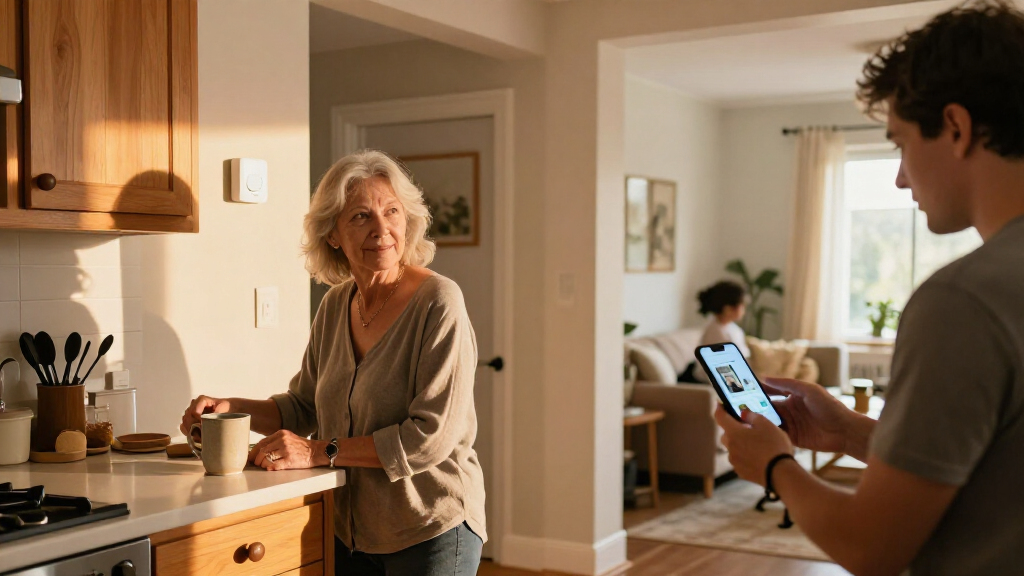
Nottingham Trent researchers tested a privacy-focused radar, thermal-sensor and smart-plug system designed to flag unusual activity at home.
HHS Launches $27.8M Initiative To Reduce Older Adult Falls
HHS named eight recipients for three-year fall-prevention funding supporting STEADI, Stepping On and partnerships between health care and community groups.
New Immune Aging Map Helps Decode Future Chronic Disease Risks
A study of blood cells and UK Biobank records links an immune-cell pattern with later chronic disease and mortality risk, but not individual diagnoses.
Bonn Researchers Successfully Rejuvenate Human Cells In A Test Tube
Bonn researchers directly converted human blood-cell precursors into neural stem cells, tracking a gradual reset of epigenetic age in the lab.
What Is Posterior Cortical Atrophy? One Couple’s Road To Diagnosis
Retired psychiatrist Scott Cunningham was diagnosed with posterior cortical atrophy after years of visual and spatial problems that eye treatment did not resolve.

ADHD As A Circadian Rhythm Disorder: Evidence And Implications For Chronotherapy (2025)
A 2025 Frontiers perspective links circadian delays with ADHD in some patients and calls for trials of behavioral and light-based approaches.
Does Extra Protein Protect Aging Muscle During Fasting?
A four-week trial in older men found protein and leucine supplements did not prevent lean-mass loss during alternate-day fasting.
Adults With ADHD Face Higher Risk Of Developing Dementia Later In Life
A U.S. study of more than 187,000 adults found an association between ADHD and later cognitive impairment, but it does not show ADHD causes dementia.
What Three Health Notifications Taught Me About Alzheimer’s Risk
Patient advocate Ron Carr describes how genetic, heart-scan and blood-test notifications reshaped his thinking about Alzheimer’s risk and prevention.