
Using more colors on your LED mask isn’t always better because targeting specific skin concerns with focused wavelengths yields better results. Overloading your skin with multiple colors can cause irritation, overstimulation, and reduce effectiveness. Instead, choose treatments that match your goals and stick with them for consistent use. If you keep these tips in mind, you’ll discover how to optimize your LED therapy for safer, more visible improvements — and why simpler is often better.
Key Takeaways
- Multiple colors can cause skin irritation and overstimulation, reducing treatment effectiveness and increasing discomfort.
- Focusing on specific colors for targeted concerns yields better results than using all options simultaneously.
- Overloading with colors dilutes the therapy’s focus, weakening the benefits for each skin issue.
- Complex color combinations may lead to eye strain, headaches, and sensory overload, especially for sensitive skin.
- Simplifying treatments with fewer, targeted colors enhances safety, effectiveness, and personalized skincare outcomes.
What Do You Need to Know Before Buying an LED Mask?

Before purchasing an LED mask, it’s important to understand how different features can impact its effectiveness and safety. One key aspect is color therapy, which uses specific wavelengths to target skin concerns. For instance, red light can promote skin revitalization by stimulating collagen production, helping you achieve a more youthful appearance. Blue light, on the other hand, can reduce bacteria and improve acne. When selecting a mask, check if it offers multiple color options to customize treatments based on your skin’s needs. Understanding light wavelengths can help you choose the most suitable options for your skincare goals. Additionally, knowing about light therapy principles can provide insight into how different colors work together for comprehensive skin benefits. Recognizing the importance of device safety features**, such as automatic shut-off and adjustable intensity, can further enhance your safety during use. Being aware of clinical studies** and user reviews can also help you determine the efficacy and reliability of the device. By understanding these features, you’ll ensure your investment supports your skincare goals effectively while minimizing potential risks.
How Do Different LED Colors Benefit Your Skin?

Different LED colors target specific skin concerns by emitting wavelengths that influence skin cells in unique ways. This is the basis of color therapy, where each hue promotes different benefits. For example, red light stimulates collagen production, supporting skin rejuvenation and reducing fine lines. Blue light, on the other hand, kills acne-causing bacteria, helping clear breakouts. Green light can help even out skin tone and reduce pigmentation, while yellow light boosts circulation and calms inflammation. Additionally, some LED masks incorporate skin response to adapt treatments based on individual skin conditions, making the process more effective. Understanding skin response mechanisms can help you better comprehend how your skin reacts to different wavelengths and improve treatment outcomes. This personalized approach enhances the overall benefits by customizing therapy to your skin’s specific needs. By choosing the right color, you can tailor your treatment to your skin’s needs. This targeted approach maximizes benefits without unnecessary complexity. Remember, each color serves a specific purpose, so understanding their roles helps you get the most out of your LED mask for healthier, more vibrant skin. Recognizing light therapy as a scientifically supported technique can further optimize your skincare routine. Understanding skin response can help you select the most effective LED treatments for your individual needs.
Are Multi-Color LED Masks Necessary or Overkill?

Are multi-color LED masks truly necessary, or are they just overkill for most users? If you’re seeking benefits like color therapy, multi-color devices can seem appealing, but they often add unnecessary device complexity. While different colors target specific skin concerns, a single or dual-color mask can deliver effective results without the overwhelming variety. More colors mean more settings to learn and maintain, which can be confusing and time-consuming. For many, a simple, focused LED mask provides all the skin benefits they need without the extra features that might not suit their routine. Additionally, understanding the light therapy principles can help users choose the right device for their skincare needs. Being aware of the device complexity involved can help prevent unnecessary frustration. Incorporating traditional Indonesian decor principles like simplicity and harmony can also guide you toward selecting a device that fits seamlessly into your routine. Recognizing the importance of skin response to different wavelengths can help tailor your mask choice more effectively. A cost-benefit analysis can assist in determining whether the added features justify their investment. Ultimately, investing in a multi-color mask isn’t always necessary; it depends on your goals and comfort with device complexity. Sometimes, less truly is more for your skincare routine.
Mistakes to Avoid When Choosing a Multi-Color LED Mask

Choosing a multi-color LED mask can seem appealing, but making the wrong selection can lead to wasted money and frustration. One common mistake is ignoring color combinations that suit your skin tone or goals, resulting in ineffective treatments. Additionally, prioritizing masks without checking technology compatibility can cause issues with control options or power sources. Avoid selecting a mask with too many colors if you don’t need them, as it can complicate usage and increase costs. Be cautious of models that lack adjustable settings, limiting customization. Finally, don’t overlook reviews or manufacturer info—poor quality could mean unreliable LEDs or safety concerns. To summarize, focus on selecting a mask with compatible technology, practical color options, and a reputable brand to ensure effective and safe use. Also, consider the importance of lighting quality for optimal results and safety during use. Moreover, understanding the LED specifications can help you choose a device that provides consistent and reliable illumination for your needs. Being aware of fandom trends and how they influence product design can also help you select a mask that aligns with current innovations and user expectations. Additionally, paying attention to support options offered by the manufacturer can ensure you receive assistance if issues arise. Remember that product certifications can also serve as indicators of safety and quality standards.
Should You Use All the Colors in One Mask?

Using all the colors on a single LED mask might seem like a good idea, but it can increase your risk of skin irritation and overstimulation. Too many wavelengths at once could also make it harder to focus on specific skin concerns. Consider whether combining colors truly benefits your skin or if it might do more harm than good. Additionally, overusing multiple wavelengths could lead to skin sensitivity, making your skin more prone to irritation over time. Incorporating too many light wavelengths simultaneously may also dilute the effectiveness of targeted treatments. Proper light therapy involves selecting appropriate wavelengths for specific skin issues, rather than overwhelming the skin with multiple colors. Understanding wavelength specificity is crucial to achieving safe and effective results in LED light treatments. Moreover, using excessive colors can diminish the treatment’s precision, reducing overall effectiveness.
Increased Risk of Skin Irritation
While it might seem tempting to use all the different colors on a single LED mask, doing so can considerably increase your risk of skin irritation. Multiple colors mean more light wavelengths, which can trigger skin sensitivity or allergic reactions, especially if your skin is already sensitive. The more colors you combine, the higher the allergen risk, potentially leading to redness, itching, or even swelling. Additionally, understanding skin sensitivities can help you make safer choices when selecting LED mask features. Consider these factors:
- Increased exposure to different light wavelengths
- Higher likelihood of skin irritation
- Potential for allergic reactions
- Strain on sensitive skin types
- Reduced ability to identify problematic colors
Using all colors together may seem efficient, but it can overload your skin, making irritation more likely. For safer results, stick to fewer colors suited to your skin type.
Potential for Overstimulation
Incorporating all colors into a single LED mask can lead to overstimulation of your skin and nervous system. When multiple colors flash or stay active simultaneously, you risk triggering sensory overload, making your skin feel irritated or overwhelmed. This visual overstimulation can also cause headaches, eye strain, or discomfort, especially if you’re sensitive to bright or rapidly changing lights. Using too many colors at once may seem appealing but can reduce the effectiveness of your treatment by distracting your skin from focusing on specific wavelengths that target your concerns. To avoid overstimulation, it’s best to select a few key colors suited to your skin’s needs and give your skin time to process each treatment without excessive visual input. Additionally, understanding the regional flavors and unique color profiles of LED lights can help you choose the most beneficial options for your skin.
Diminished Treatment Focus
Adding all the colors to a single LED mask can actually weaken your treatment’s effectiveness. When you include multiple colors, the treatment loses its specificity, reducing its overall impact. Instead of targeting specific skin concerns, the mask spreads its focus thin, diluting the benefits. This can lead to:
- Less effective treatment for individual skin issues
- Confusion in color signals, reducing efficiency
- Inconsistent results across different skin areas
- Longer treatment times for desired outcomes
- Reduced ability to customize for your skin’s needs
Focusing on color specificity ensures each session targets a particular concern, maximizing results. Using too many colors at once distracts from this goal, making your treatment less focused and less effective. For maximum results, stick to the colors that address your skin’s primary issues.
How to Pick the Right LED Colors for Your Skin Concerns

Choosing the right LED colors for your skin concerns can considerably enhance your skincare routine. Understanding how different colors impact your skin through color therapy helps target specific issues while respecting your skin sensitivity. For sensitive skin, gentle hues like amber or red are often best, while blue can help with acne. To select effectively, consider your primary concern:
| Concern | Recommended Color | Benefit |
|---|---|---|
| Acne | Blue | Anti-bacterial, calming |
| Wrinkles | Red or Near-Infrared | Collagen boost, anti-aging |
| Skin Sensitivity | Amber or Yellow | Soothing, reducing inflammation |
| Uneven Tone | Green | Brightening, balancing skin |
| Dullness | Purple or Violet | Revitalizing, energizing |
Tips for Using Your LED Mask Without Getting Overwhelmed
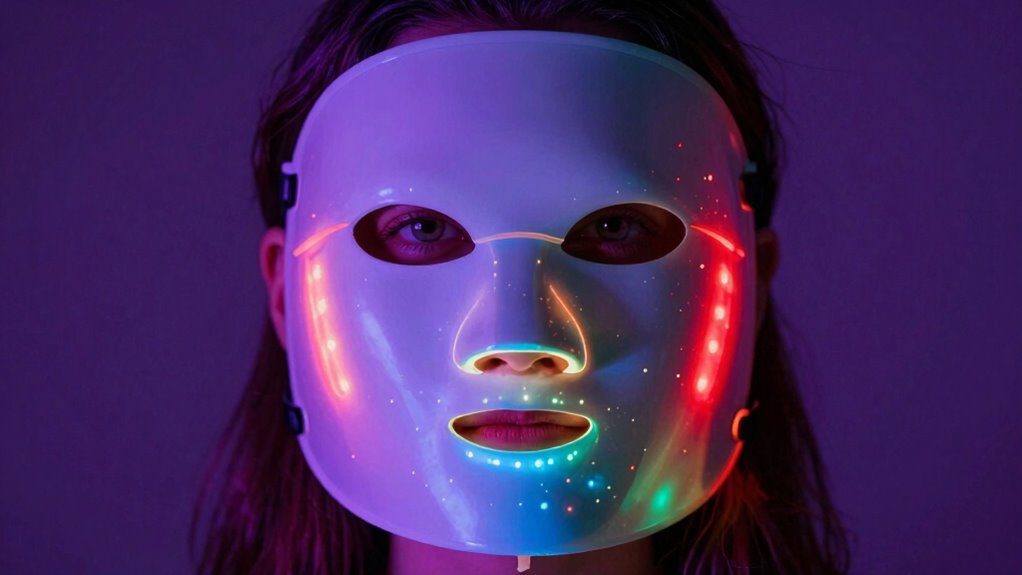
To prevent feeling overwhelmed by your LED mask routine, start by setting realistic expectations and gradually introducing sessions. Focus on your treatment goals and choose color combinations that align with your specific skin concerns. Avoid trying multiple colors at once; instead, prioritize one or two that target your needs.
Start slowly, focus on one or two colors, and set realistic goals for your LED mask routine.
Remember, less is more. Here are tips to keep it simple:
- Begin with short sessions, around 10 minutes
- Stick to your chosen color combinations for consistency
- Focus on one treatment area at a time
- Track your progress to see what works
- Adjust the intensity gradually as your skin adapts
When Is It Time to See a Dermatologist About LED Masks?

While LED masks can be effective for many skin concerns, it’s important to recognize when professional help is necessary. If you notice persistent redness, swelling, or itching after using your mask, you might be experiencing an allergic reaction, and you should see a dermatologist. Be alert to any unusual skin changes, such as new growths, irregular moles, or persistent sores, which could indicate skin cancer risk. If you experience severe pain, blistering, or your skin doesn’t improve despite discontinuing use, seek medical advice promptly. While LED therapy is generally safe, these signs suggest it’s time to consult a dermatologist to ensure your skin’s health isn’t at risk and to get personalized treatment.
Do Multiple Colors Really Improve Skin? Real Results vs. Marketing Hype
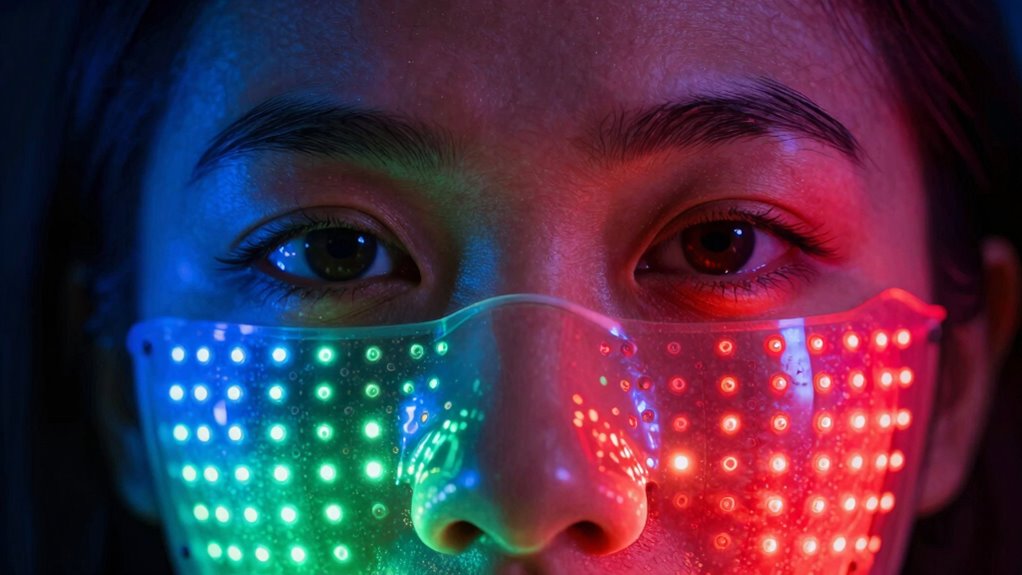
You might wonder if using multiple LED colors truly boosts your skin, or if it’s just marketing hype. Scientific studies show some benefits, but results vary and expectations should be realistic. Understanding the evidence helps you decide if trying different colors is worth it for your skin goals.
Scientific Evidence Supporting Claims
Does using multiple LED colors genuinely enhance skin health, or is it just marketing hype? Scientific research offers mixed results. While some studies highlight benefits like reduced inflammation or improved collagen, others show minimal effects. The key lies in understanding color psychology and technical specifications. Different colors target specific skin issues, but evidence often lacks consistency and robust clinical trials.
To evaluate claims critically, consider:
- The quality and size of scientific studies
- How well the LED device’s technical specs match claimed benefits
- Whether results are supported by peer-reviewed research
- The psychological impact of color choices
- The difference between placebo effects and real improvements
Ultimately, more colors don’t guarantee better results; scientific evidence remains the gold standard for validating these claims.
Realistic Expectations for Results
Many people expect dramatic improvements from LED masks with multiple colors, but the reality often falls short of marketing promises. While some skin rejuvenation benefits are possible, results vary widely depending on individual skin types and conditions. Multiple colors may target different issues, but they don’t guarantee faster or more noticeable results. It’s important to have realistic expectations and understand that LED therapy isn’t a quick fix. Additionally, not all masks are compatible with every skin type or concern, so doing research is essential. Overhyped claims can lead to disappointment if you expect instant transformations. Ultimately, consistent use and patience are key, and understanding what your specific product can and cannot do will help you avoid frustration and better evaluate its true effectiveness.
Maximize Your LED Mask Benefits : Keep It Simple and Effective
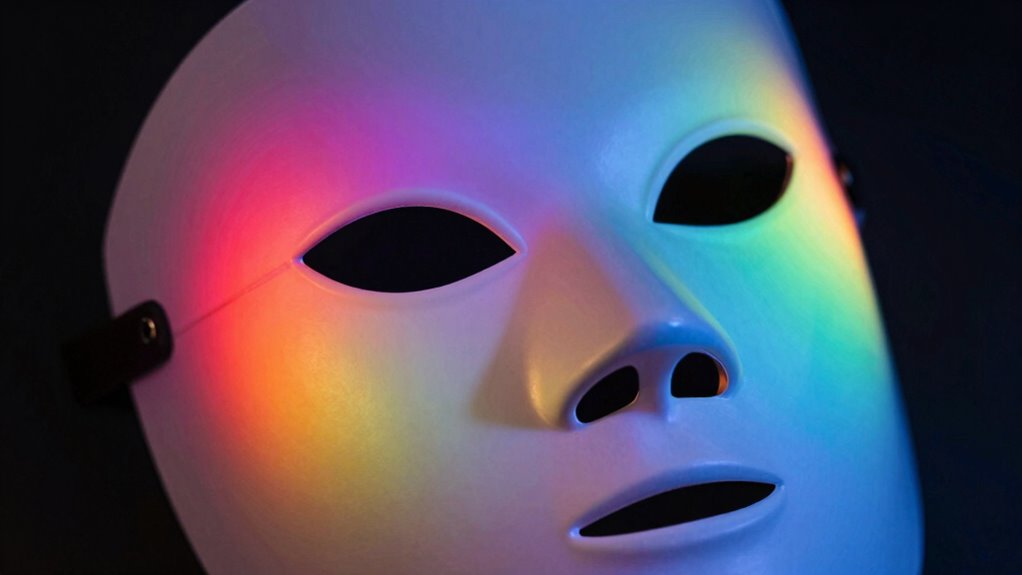
To truly maximize your LED mask benefits, simplicity and consistency are key. Overloading on multiple colors can overwhelm your skin and dilute the effects of color therapy. Instead, focus on a few targeted treatments that suit your skin sensitivity and goals. Stick to a routine, using the same colors regularly to see steady progress. Keep in mind that more colors don’t always mean better results; it’s about choosing the right ones for your needs.
Consider these tips:
- Use red light for collagen boost
- Incorporate blue for acne-prone skin
- Limit sessions to avoid irritation
- Observe skin responses to different colors
- Maintain consistent treatment schedules
This simple approach helps your skin adapt and maximizes benefits without unnecessary complications.
Frequently Asked Questions
Can LED Masks Replace Professional Dermatological Treatments?
LED masks can’t fully replace professional dermatological treatments. While LED mask efficacy can improve skin issues like acne and wrinkles, they lack the precision and intensity of professional procedures. You might see some benefits, but for serious concerns or faster results, a dermatologist’s treatment offers targeted, powerful options. Relying solely on LED masks isn’t enough; consider them as complementary, not substitutes, for expert care.
How Often Should I Use My LED Mask for Optimal Results?
You should use your LED mask 3 to 5 times a week for ideal usage. Follow the frequency guidelines provided with your device, as overusing it can cause irritation. Consistency is key, so stick to the recommended schedule and give your skin time to respond. Avoid daily use unless specified, and always cleanse your face before treatments for best results.
Are There Any Skin Types That Should Avoid Multi-Color LED Masks?
Like a delicate flower, your skin needs gentle care. If you have sensitive skin or rosacea flare-ups, multi-color LED masks might do more harm than good. These masks can trigger irritation or worsen redness. It’s best to consult a dermatologist before trying multi-color treatments. Stick with single-color options that suit your skin type, and always patch-test new devices to avoid unintended reactions.
What Are the Potential Side Effects of Using LED Masks Incorrectly?
If you use LED masks incorrectly, you might experience skin irritation or pigmentation changes. Overexposure or improper settings can lead to redness, dryness, or uneven skin tone. Always follow the manufacturer’s instructions and avoid prolonged use. If you notice discomfort, stop using the mask and consult a dermatologist. Proper use minimizes risks, ensuring you enjoy the benefits without adverse side effects.
Do LED Masks Require Special Skincare Products to Enhance Results?
Did you know that 78% of users see better results when combining LED masks with proper skincare routines? LED masks don’t require special skincare products, but using compatible ones enhances outcomes. Stick to gentle, non-irritating products and avoid harsh chemicals. Always check product compatibility to prevent reactions. By integrating your skincare routine thoughtfully, you maximize benefits and minimize risks, ensuring your LED mask experience is both safe and effective.
Conclusion
So, after all this fuss about colors and fancy features, maybe less really is more. Instead of chasing every new LED hue, focus on what actually works for your skin. Sometimes, the simplest approach—using just one or two colors—gets better results than drowning in a rainbow. Ironically, in the world of LED masks, less noise and more clarity might just give you the glowing skin you’re after. So, keep it simple, and let your skin do the talking.