
TL;DR

Turn your wind-down time into listening time
- Thousands of audiobooks, podcasts and originals
- Listen on your phone, tablet or Echo — also offline
- Cancel anytime
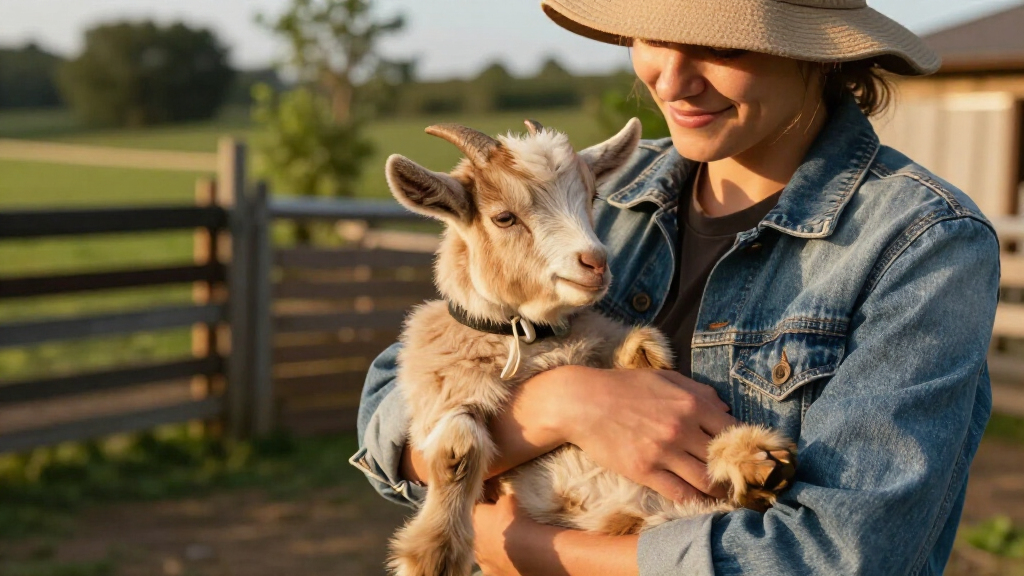
Multiple baby goats from a traveling petting zoo tested positive for rabies, prompting health alerts. The source of infection and extent of spread remain under investigation.
Several baby goats from a traveling petting zoo have tested positive for rabies, according to local health officials. The confirmed cases have prompted immediate health alerts and a thorough investigation into the source of the infection. This development raises concerns about zoonotic disease transmission from animal encounters at temporary petting venues, especially as the affected animals were part of a mobile attraction that traveled across multiple communities.
Health authorities confirmed that a number of baby goats from the traveling petting zoo tested positive for rabies after exhibiting neurological symptoms. The tests were conducted by a state veterinary laboratory following reports of unusual behavior among the animals. The petting zoo has been temporarily shut down, and officials are conducting contact tracing to determine if any humans or other animals may have been exposed. The infected goats are now under quarantine, and local health departments are advising caution for anyone who had recent contact with the animals.
Rabies is a deadly viral disease that affects mammals, including humans, and can be transmitted through bites or scratches from infected animals. The Centers for Disease Control and Prevention (CDC) states that rabies is almost always fatal once symptoms appear, but it is preventable through prompt post-exposure prophylaxis. The source of the infection is not yet confirmed, and investigations are ongoing to identify how the goats contracted rabies, whether through contact with wild animals or other infected livestock.
Implications for Public Health and Petting Zoos
This incident underscores the risks associated with temporary and mobile petting zoos, which often operate with limited oversight compared to permanent facilities. The presence of rabies-positive animals raises concerns about disease control, animal health standards, and the safety of visitors, especially children. Authorities emphasize the importance of strict health screening and vaccination protocols for animals involved in such attractions. The outbreak could lead to increased regulation and scrutiny of traveling animal exhibits, impacting the industry and public safety policies.
As an affiliate, we earn on qualifying purchases.
Background on Rabies and Animal Exhibits
Rabies is a viral disease transmitted primarily through bites from infected mammals, with wild animals such as bats, raccoons, and skunks being common reservoirs in many regions. Domestic animals are typically vaccinated against rabies, but outbreaks can occur in unvaccinated or improperly managed populations. Traveling petting zoos have gained popularity for their educational and entertainment value, but they often face criticism over animal welfare and health standards. Past incidents involving disease transmission at temporary animal exhibits have prompted calls for stricter regulation and oversight.
In recent years, there has been increased public interest in the safety of animal attractions, especially amid heightened awareness of zoonotic diseases. The current outbreak involving rabies-positive goats is the latest in a series of health concerns associated with mobile petting zoos, which are often less regulated than permanent facilities.
As an affiliate, we earn on qualifying purchases.
Unconfirmed Sources and Unknown Transmission Pathways
It is not yet clear how the goats contracted rabies, whether through contact with wild animals, contaminated feed, or other sources. The full extent of the outbreak, including whether any humans or other animals have been exposed, remains unknown. Investigations are ongoing, and authorities have not yet identified the source of the infection or confirmed if other animals at the site are infected.
petting zoo animal health screening
As an affiliate, we earn on qualifying purchases.
As an affiliate, we earn on qualifying purchases.
Next Steps in Investigation and Public Health Response
Health officials are conducting comprehensive testing of all animals involved in the petting zoo and inspecting other animals and facilities linked to the operation. They are also advising anyone who recently interacted with the affected goats to seek medical advice if bitten or scratched. The petting zoo is expected to remain closed until further notice, and authorities may implement stricter regulations for traveling animal exhibits based on the findings.
As an affiliate, we earn on qualifying purchases.
Key Questions
Can rabies be transmitted to humans from baby goats?
Rabies transmission from goats to humans is extremely rare, but it is theoretically possible through bites or scratches from infected animals. Anyone who had direct contact with the affected goats should consult a healthcare professional for assessment and possible post-exposure treatment.
What should visitors do if they recently interacted with the infected goats?
Individuals who had contact with the goats, especially if bitten or scratched, should seek medical advice immediately. Public health officials recommend monitoring for symptoms and following recommended post-exposure prophylaxis protocols if advised by a healthcare provider.
Are traveling petting zoos safe to visit?
Traveling petting zoos can be safe if they adhere to strict health and vaccination protocols. However, incidents like this highlight the importance of verifying that animal exhibits follow proper regulations and health standards before visiting.
What measures are being taken to prevent future outbreaks?
Authorities are inspecting and regulating animal health standards at traveling exhibits, increasing vaccination requirements, and implementing stricter oversight to prevent similar incidents in the future.
Is there a risk of rabies spreading to other animals or wildlife?
The risk depends on the source of infection and local wildlife interactions. Authorities are monitoring the situation closely and conducting tests to assess potential spread.
Source: rss
Halloween Picks
halloween
As an affiliate, we earn on qualifying purchases.